
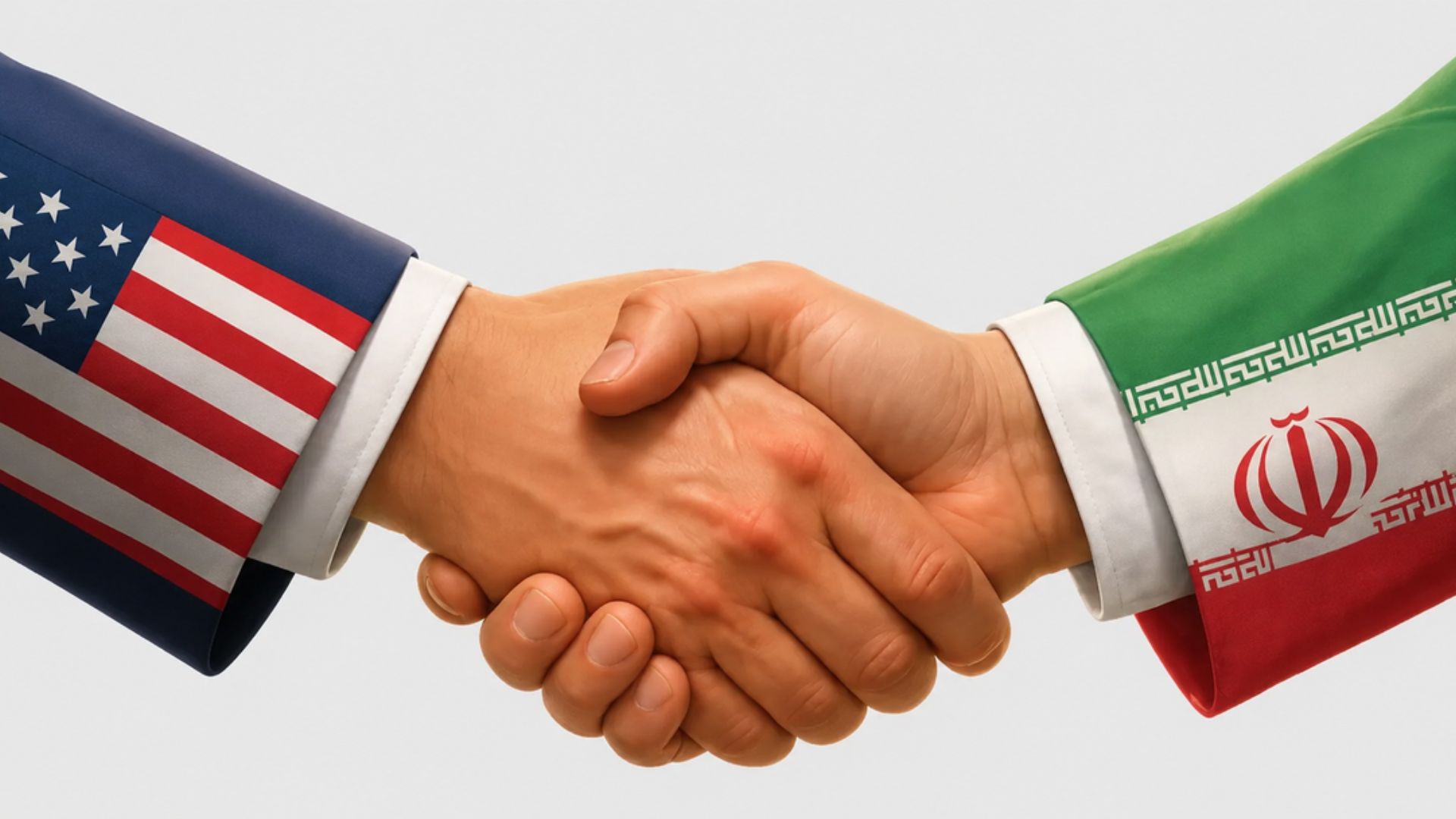

Iran could soon gain access to $6 billion in frozen assets held in Qatar under a proposed agreement designed to reduce tensions between Tehran and Washington, according to a report by The Wall Street Journal citing people familiar with the discussions.
However, the funds would come with strict conditions. Iran would only be allowed to use the money for humanitarian purposes and other non-sanctioned purchases, with many of those goods expected to be sourced from the United States.
How Iran's $6 Billion Assets Ended Up in Qatar
The $6 billion originated from Iranian oil sales and was initially held in South Korean banks. In 2023, the funds were transferred to restricted accounts in Qatar as part of a prisoner exchange agreement between the United States and Iran.
Although the transfer was completed, Iran's ability to use the money was later suspended following the October 7 Hamas attacks and the rise in regional tensions across the Middle East. As a result, the assets effectively remained frozen despite being moved to Qatar.
Proposed US-Iran Agreement Could Release Funds in Stages
According to The Wall Street Journal, the latest proposal would allow Iran to access the money gradually during a 60-day ceasefire period linked to ongoing negotiations between Washington and Tehran.
Instead of receiving the full amount at once, Iran would gain access to portions of the funds in phases as talks progress. The arrangement forms part of a broader effort to secure a long-term agreement between the two countries.
Iran Can Only Use Funds for Humanitarian Purchases
Under the reported framework, Iran would not have unrestricted access to the money. The funds could only be used for humanitarian goods and other items that are not subject to international sanctions. This includes certain products purchased from the United States.,The restrictions are designed to ensure that the money supports civilian needs while preventing its use for prohibited activities.
US Links Asset Release to Iran's Conduct
A US official familiar with the negotiations told the newspaper that any release of frozen funds would depend on Iran's behavior during the talks. According to the report, Washington expects Tehran to demonstrate what it considers "appropriate behavior," including cooperation regarding its stockpiles of enriched uranium. The phased release of the assets is also reportedly tied to the reopening of the Strait of Hormuz and continued progress toward a broader diplomatic agreement.
Iran Reportedly Seeks Access to $12 Billion During Ceasefire
The report comes amid growing speculation over how much financial relief Iran could receive if negotiations succeed. Several Iranian media outlets close to the government have claimed that Tehran expects access to as much as $12 billion in frozen assets during the temporary 60-day ceasefire period. If true, that amount would be double the $6 billion currently held in Qatar.
Iran Holds Billions of Dollars in Frozen Assets Worldwide
According to various estimates, Iran has approximately $24 billion in frozen assets spread across several countries. These funds are reportedly held in nations including China, India, Iraq and Qatar. The future of those assets could become a major topic in any broader agreement between Iran and the United States.
Donald Trump Defends Possible Relief for Iran
US President Donald Trump has defended the possibility of easing restrictions on Iranian assets. Trump argued that any financial relief would remain linked to Iran's compliance with the terms of a wider agreement and would not be granted without conditions.
The issue has become politically sensitive in the United States, with critics questioning whether Iran should receive access to frozen funds while negotiations remain ongoing.
Strait of Hormuz and Sanctions Relief Central to Talks
The emerging diplomatic framework is expected to address several major issues beyond frozen assets. Negotiators are reportedly discussing regional security, sanctions relief, maritime trade and the future of the Strait of Hormuz.
Analysts believe a successful agreement could help stabilize global energy markets, improve Iran's economic outlook and restore confidence in one of the world's most important shipping routes.
Iran Says Frozen Assets and Compensation Are Key Issues
Iran has publicly acknowledged that discussions about frozen assets are part of the current negotiations. Iranian Foreign Ministry spokesperson Esmaeil Baqaei said the United States had committed to addressing both frozen Iranian funds and compensation for damages caused during the recent conflict.
“The release of the frozen Iranian assets as well as the reparations for damages are two essential points. The American side has committed to taking measures in both areas," Baqaei told reporters during a weekly press briefing.
His comments highlight the importance Iran places on recovering frozen assets as negotiations continue. As talks move forward, the fate of billions of dollars in blocked Iranian funds is likely to remain one of the most closely watched aspects of any future US-Iran agreement.