
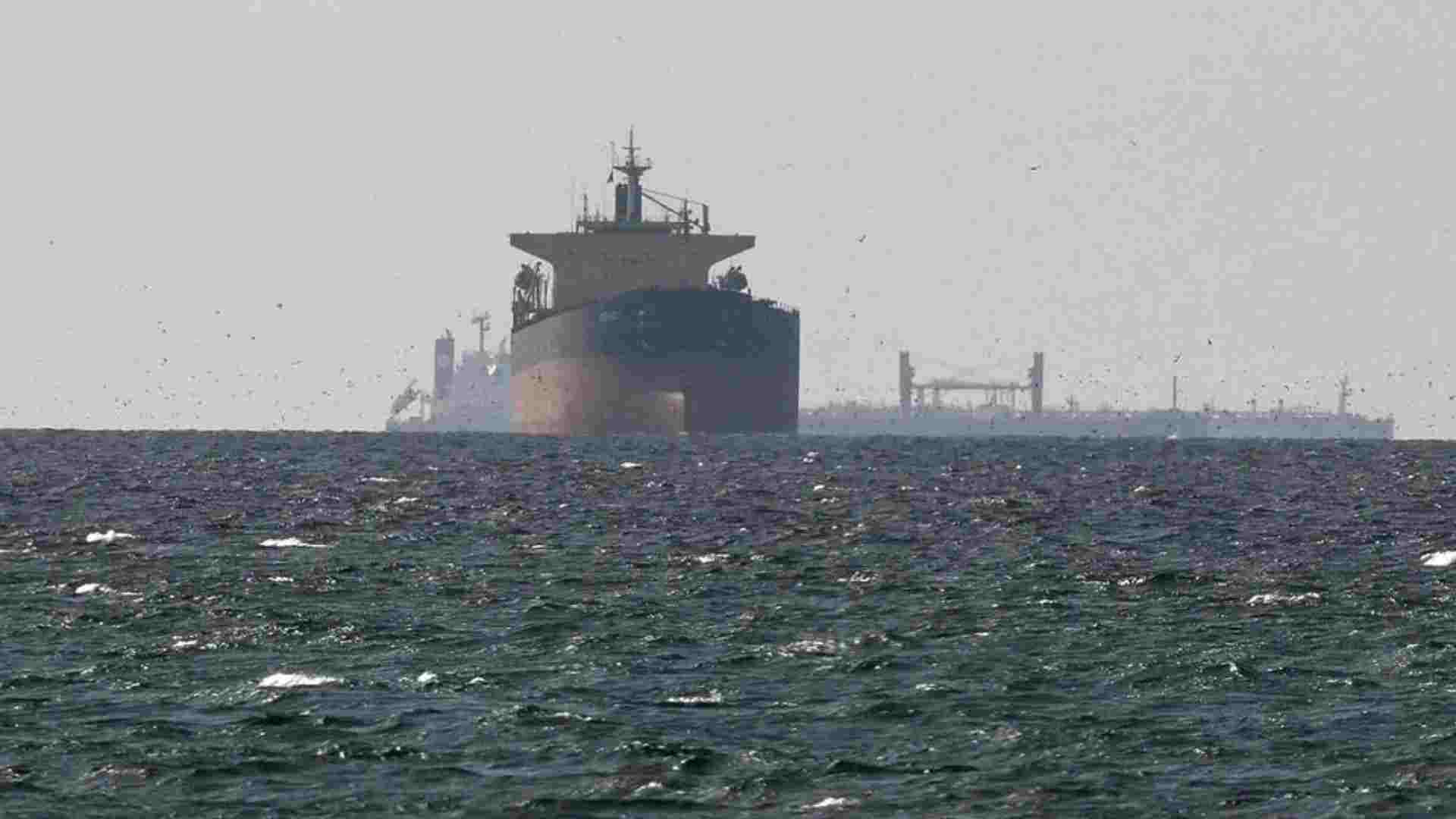

Fresh military clashes between the United States and Iran have disrupted commercial shipping through the Strait of Hormuz once again. The latest attacks over the past three days have raised fresh concerns among shipping companies despite a preliminary peace agreement that aimed to restore traffic through the vital waterway.
The renewed fighting has increased fears over the security of one of the world's busiest energy routes. It has also slowed efforts to restore normal shipping operations.
Fresh attacks unsettle shipping companies
The United States and Iran exchanged fresh military strikes despite ongoing peace efforts. Both sides continued to use military force to strengthen their positions in the strategically important Strait of Hormuz.
Commercial traffic had recently reached its highest level since the conflict began. However, the latest attacks have forced shipping companies to remain cautious, according to The New York Times.
“Shipping is literally caught in the crossfire as the US and Iran battle for control of the Hormuz Strait," Michelle Wiese Bockmann, an analyst at maritime intelligence firm Windward, was quoted as saying.
“This does little to restore confidence that security and safety can be guaranteed to get stranded ships out," Bockmann added.
Peace deal faces fresh setback
The United States and Iran signed a preliminary peace agreement about a week ago. The agreement included measures to reopen the Strait of Hormuz and restore commercial shipping.
However, both countries have since accused each other of violating the agreement. They launched fresh military strikes, triggering the worst escalation since the interim deal took effect.
The United States said it struck Iranian targets overnight. Iran said it responded by attacking targets linked to US forces.
Recent attacks increase regional tensions
The latest escalation followed an attack on the cargo vessel Ever Lovely in the Strait of Hormuz on Thursday. Reports also said a tanker was struck by a projectile on Saturday.
Bahrain, a key US ally in the region, said Iranian drones attacked the country on Saturday. The attack reportedly came in response to US strikes on Iran a day earlier. The United States said it launched its strikes after Iran fired on the cargo vessel Ever Lovely while it was sailing through the Strait of Hormuz. The New York Times reported that the renewed violence has prevented shipping operations from returning to normal.
Maritime agencies raise threat levels
The International Maritime Organisation (IMO), a United Nations agency, suspended plans to evacuate hundreds of commercial vessels stranded in the Persian Gulf after the attack on the Ever Lovely.
Britain's UK Maritime Trade Operations (UKMTO) also raised its threat assessment for the Strait of Hormuz to "substantial" because of recent attacks on commercial shipping.
Reuters reported that a projectile damaged the bridge of a tanker. However, all crew members escaped safely. The Joint Maritime Information Centre also raised its maritime security threat level following the latest incidents.
Shipping companies remain cautious
Shipping companies continue to monitor the situation closely before sending more vessels through the Strait of Hormuz. The New York Times quoted Harry Vafias, chief executive of shipping company StealthGas, who said one of his three vessels had finally left the Persian Gulf after remaining stranded for more than three months.
“But the other two are still stuck, and it is too difficult for them to exit at this time," Vafias said, adding that the “situation in Hormuz seems to be deteriorating once more."
Iran tightens shipping controls
The New York Times reported that Iran has moved to tighten its control over commercial shipping in the Strait of Hormuz. Tehran now requires vessel operators to obtain permission before entering the waterway. It has also warned ships that fail to follow its instructions.
Reuters also reported that Iranian state television said the Revolutionary Guards fired “warning shots" at vessels using routes not approved by Tehran. The report added that several ships later sought Iranian permission before crossing the strait.
Reuters further reported that Iranian officials warned any vessel violating the country's shipping instructions would face decisive action.
The latest military exchanges have created fresh uncertainty in the Strait of Hormuz. The strategic waterway remains under heavy security as shipping companies wait for tensions to ease before returning to normal operations.