
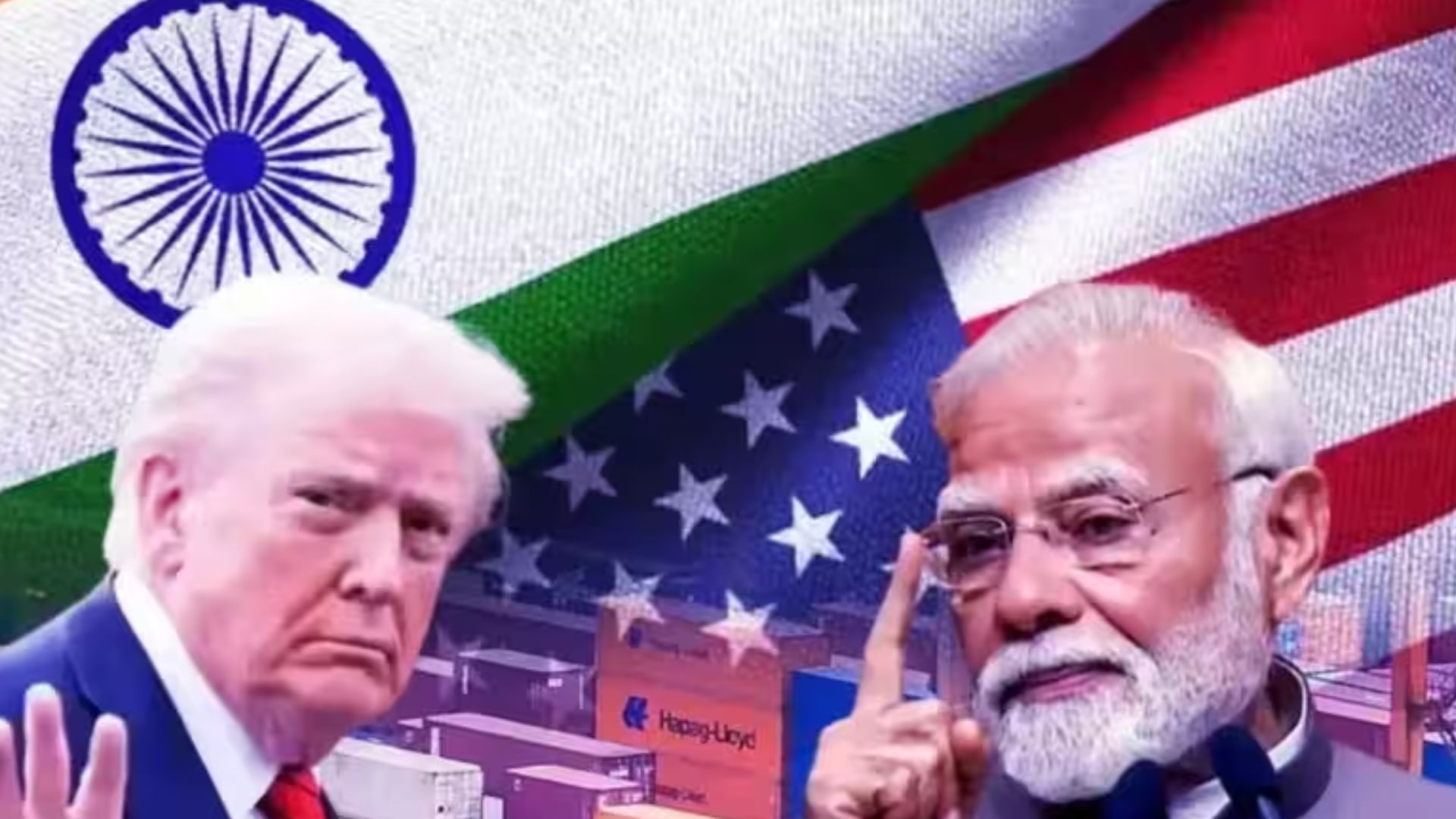

A bipartisan group of US senators has introduced a new sanctions bill that could reshape global energy trade. The proposed law would impose tariffs of up to 100 per cent on countries that continue buying Russian crude oil.
The bill, called the Sanctioning Russia Act of 2026, targets five major buyers of Russian oil—India, China, Slovakia, Hungary and Azerbaijan. US lawmakers say the measure will reduce Russia's oil revenue and weaken its ability to fund the war in Ukraine.
However, the proposal has triggered strong criticism from India. New Delhi accused Washington of applying "double standards" by exempting several European countries that still import Russian energy.
Bill Targets Russia's Oil Income
The new proposal replaces an earlier version that remained stalled in Congress for more than a year. The original bill proposed a 500 per cent tariff on countries buying Russian energy. The revised version lowers the maximum tariff to 100 per cent. It also limits the penalties to the largest buyers of Russian crude.
Late Republican Senator Lindsey Graham first introduced the proposal. President Donald Trump later backed it. If Congress passes the bill, it will become the first US law that allows tariffs on third-party countries for helping support another country's wartime economy.
“This imposes tariffs that are targeted: narrowly limited to the five major purchasers — up to 100 per cent,” Senator Richard Blumenthal, a Democratic co-sponsor of the bill, said. “Our European allies are not targeted here.”
European Exemptions Draw Criticism
The bill exempts several US allies from the proposed tariffs. Countries that import less than 15 per cent of Russia's total natural gas exports and are reducing their dependence on Russian energy will avoid penalties. Senate officials said the exemption protects around 15 European countries and allies such as Japan. The exemption has become the most controversial part of the proposal.
India Accuses US of Double Standards
Indian officials criticised the bill and warned that it could complicate trade talks with the United States. India imports more than 88 per cent of its crude oil from overseas. After Russia invaded Ukraine in 2022, India increased imports of discounted Russian crude. The government used those supplies to strengthen energy security and keep domestic fuel prices under control.
India has recently increased Russian oil purchases again because conflicts in West Asia, including tensions around the Strait of Hormuz, disrupted global energy markets. Indian officials said the US should not treat India differently from Europe.
“The US is not taking the right approach. These are double standards vis-a-vis Europe and may not achieve the desired result,” a senior Indian official told The Economic Times. “Making India a punching bag for US foreign policy failures will be counterproductive.”
Political Debate Grows in India
The proposal has also sparked political debate in India. The opposition Congress party questioned the government's response. The party asked Commerce and Industry Minister Piyush Goyal to explain how India would deal with the proposed tariffs. Congress said India should not face punishment for protecting its national energy interests.
Bill Faces Political and Legal Hurdles
The bill has bipartisan support in the Senate. However, it still faces several hurdles before becoming law. The proposal includes a presidential waiver. The White House could suspend tariffs on individual countries if they threaten US national security or global economic stability.
Energy experts also warned that cutting Russian oil supplies from global markets could push crude prices much higher and increase fuel costs worldwide. Many analysts believe the Trump administration would act cautiously to avoid disrupting global energy markets.
Legal Challenges May Follow
Legal experts said the bill could face court challenges. Recent US Supreme Court rulings have limited the executive branch's power to impose broad trade measures without clear approval from Congress. Supporters believe the new legislation would provide that legal authority.
Senate Pushes for Quick Approval
The Sanctioning Russia Act of 2026 currently has support from 26 bipartisan Senate co-sponsors. Lawmakers are urging Congress to pass the bill quickly. They say it continues Senator Lindsey Graham's efforts to increase economic pressure on Russia over the war in Ukraine.