
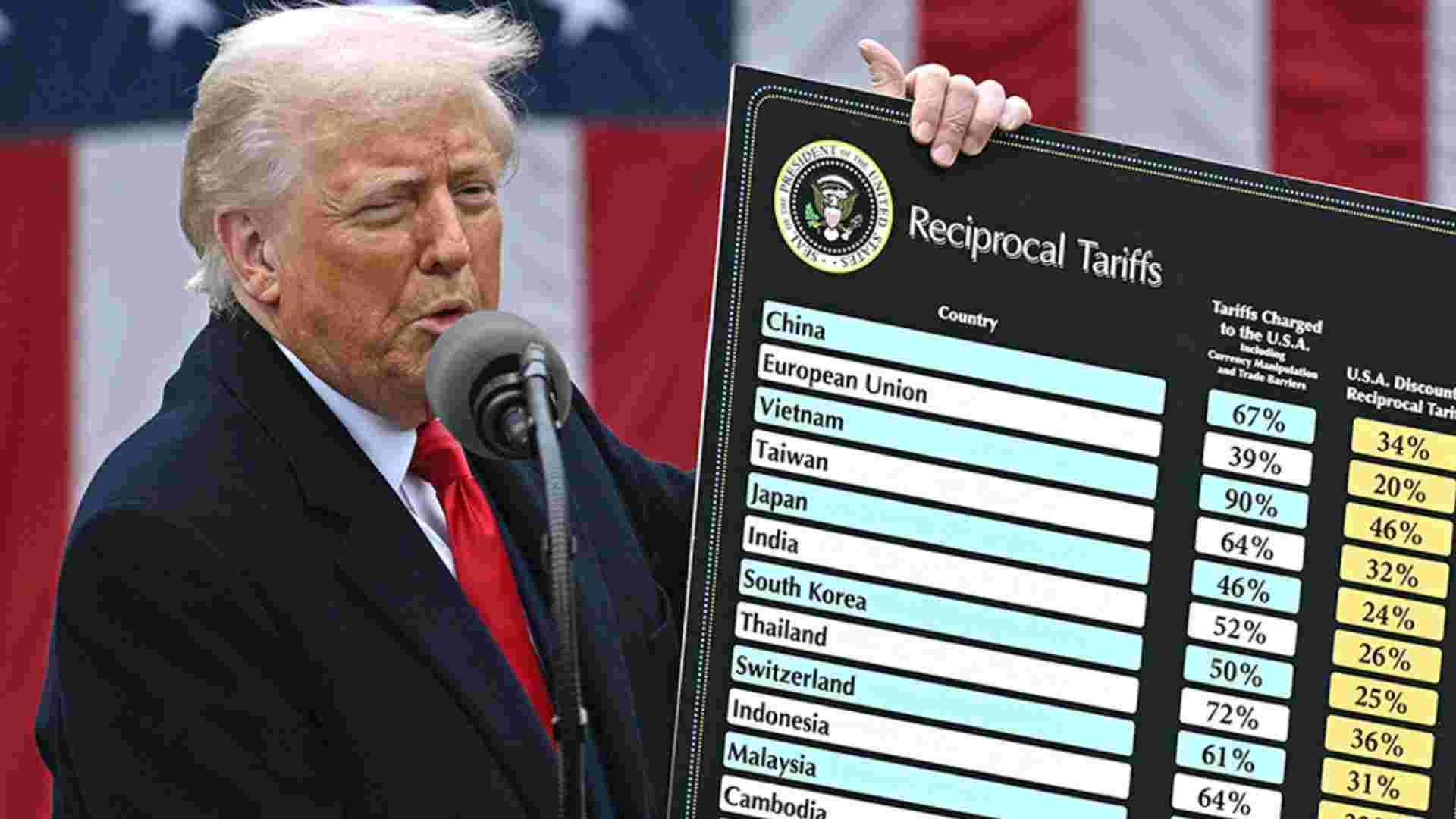

A coalition of 25 Democratic-led US states has challenged President Donald Trump's Section 301 tariffs in the US Court of International Trade, arguing that the measures are unlawful and will increase costs for American consumers and businesses.
The legal challenge comes as India and several other countries remain subject to tariffs imposed under the Section 301 investigation.
India Continues to Face 10% Tariff
India is currently subject to a 10 per cent tariff under the Section 301 measures. Another US investigation is still underway, and its outcome could lead to additional tariffs in the future.
Last month, the United States imposed fresh tariffs ranging from 10 per cent to 12.5 per cent on 60 countries, saying the countries had failed to adequately address concerns related to forced labour. These new duties replaced the temporary 10 per cent global tariffs that expired on July 24.
25 States Move Court Against Trump Administration
The coalition of Democratic-led states filed the lawsuit in the US Court of International Trade on Monday. The states argue that the latest tariffs will increase prices across the country and place additional financial pressure on businesses and consumers.
New York Attorney General Letitia James, New York Governor Kathy Hochul, and other Democratic state leaders have asked the court to declare the tariffs illegal.
"After losing at the Supreme Court, the administration is once again trying to illegally raise taxes on families and businesses with a new round of tariffs," James said in a statement.
India Gets Lower Tariff After Policy Change
India, along with 16 other countries, now faces a 10 per cent tariff. Earlier, the Trump administration had proposed imposing a 12.5 per cent tariff on Indian exports.
The lower rate came after India amended its Foreign Trade Policy on June 14 to prohibit imports of goods produced using forced labour.
States Question Legal Basis of Tariffs
The Trump administration has said it is using Section 301 of the Trade Act of 1974 to fight forced labour in global supply chains. However, the lawsuit argues that the administration is using forced labour as a justification to introduce broad tariffs that it has repeatedly attempted to impose through other means.
According to the legal challenge, the administration failed to follow the legal procedures required under Section 301 before introducing the new tariffs. The states also argue that the tariffs have little connection to their stated objective of tackling forced labour.
"No matter how the administration tries to justify it, the law and our Constitution are clear that the president does not have the power to impose sweeping tariffs on whatever countries he wants," the New York attorney general said.
California Attorney General Rob Bonta also criticised the policy. "Tariffs are taxes, and the American people cannot and should not shoulder the extra costs that come from the President's failed and illegal economic policy -- no matter how much the President wants them to," California Attorney General Rob Bonta said in a statement.
Lawsuit Questions Tariff Process
The lawsuit also challenges the way the tariffs were designed and implemented. According to the filing, the tariffs were imposed arbitrarily and do not effectively address forced labour concerns.
The states argue that several product exemptions weaken the administration's claim that the tariffs are aimed at eliminating forced labour from global supply chains.
They also point out that the administration's investigation identified only three products allegedly made with forced labour while imposing tariffs on dozens of countries.
The lawsuit further claims that the Office of the United States Trade Representative (USTR) ignored testimony from affected countries and overlooked public comments submitted during the shortened consultation process. According to the states, most of those submissions disputed the administration's argument that the tariffs would reduce forced labour practices.
The coalition has asked the US Court of International Trade to strike down the tariffs, arguing that the administration exceeded its legal authority and failed to follow the procedures required under US trade law.