Fears of a wider conflict and rising violence are growing across West Asia after the United States issued a fresh travel warning for Americans in the region. Washington cautioned that the security situation could worsen rapidly as Houthi missile and drone attacks target Saudi Arabia.
The warning comes as Iran claims that the United States is preparing to resume its bombing campaign against the Islamic Republic. The conflicting developments have increased uncertainty over Washington’s next steps.
The alert was also issued ahead of this week’s United Nations General Assembly in New York, adding to concerns about the direction of the regional crisis and the US administration’s response.
US Warns Americans Against Travel to Iran
Amid rising tensions in West Asia, the US Virtual Embassy in Iran issued a security alert on Monday. It urged American citizens not to travel to Iran “for any reason” and advised those already in the country to leave.
A separate warning issued a day earlier also highlighted the growing risks across the wider region.
The US said, "Due to tensions in the Middle East, the security environment remains complex with the potential for unforeseen escalation. Americans currently in the Middle East should exercise heightened vigilance and be aware of potential flight cancellations, airspace closures, and travel disruptions."
The latest warnings came shortly after President Donald Trump unexpectedly cut short his weekend stay at the Camp David presidential retreat on Sunday. The White House did not provide an official explanation for the early departure.
Around the same time, the US State Department issued its new security alert for Americans across West Asia.
Trump Keeps Several Options Open on Iran
Trump has indicated that his administration is considering several possible approaches to Iran. Speaking to a
Fox News reporter, Trump said “very big things are going to be happening in the not-so-distant future”. He also outlined three possible choices: “wiping Iran out, letting them rot economically or making a deal”.
Meanwhile, the Islamic Revolutionary Guard Corps has warned that any US military action against Iran would lead to continued retaliation against American interests across the region.
“All US bases and interests in the region will become targets of continuous, effective and painful attacks without any limitations or considerations,” the IRGC said.
Iranian officials have also warned that any potential retaliation could extend to US naval forces operating in the Indian Ocean. At the same time, Iranian leaders accused some Gulf countries of “double-dealing” and claimed that they had approved US attacks.
Iranian Parliament Speaker Mohammad Baqer Qalibaf said Tehran would continue to pursue both military action and diplomacy. He argued that Iran needed to confront its adversaries while remaining prepared to negotiate when the timing was appropriate.
Houthi Attacks on Saudi Arabia Raise Regional Tensions
The possibility of a broader escalation has increased after Yemen’s Iranian-backed Houthi rebels launched attacks on Saudi Arabia’s capital, Riyadh, on Saturday.
The strikes marked the first sustained Houthi assault on Aramco oil facilities in Riyadh since the Saudi-Houthi ceasefire collapsed in June.
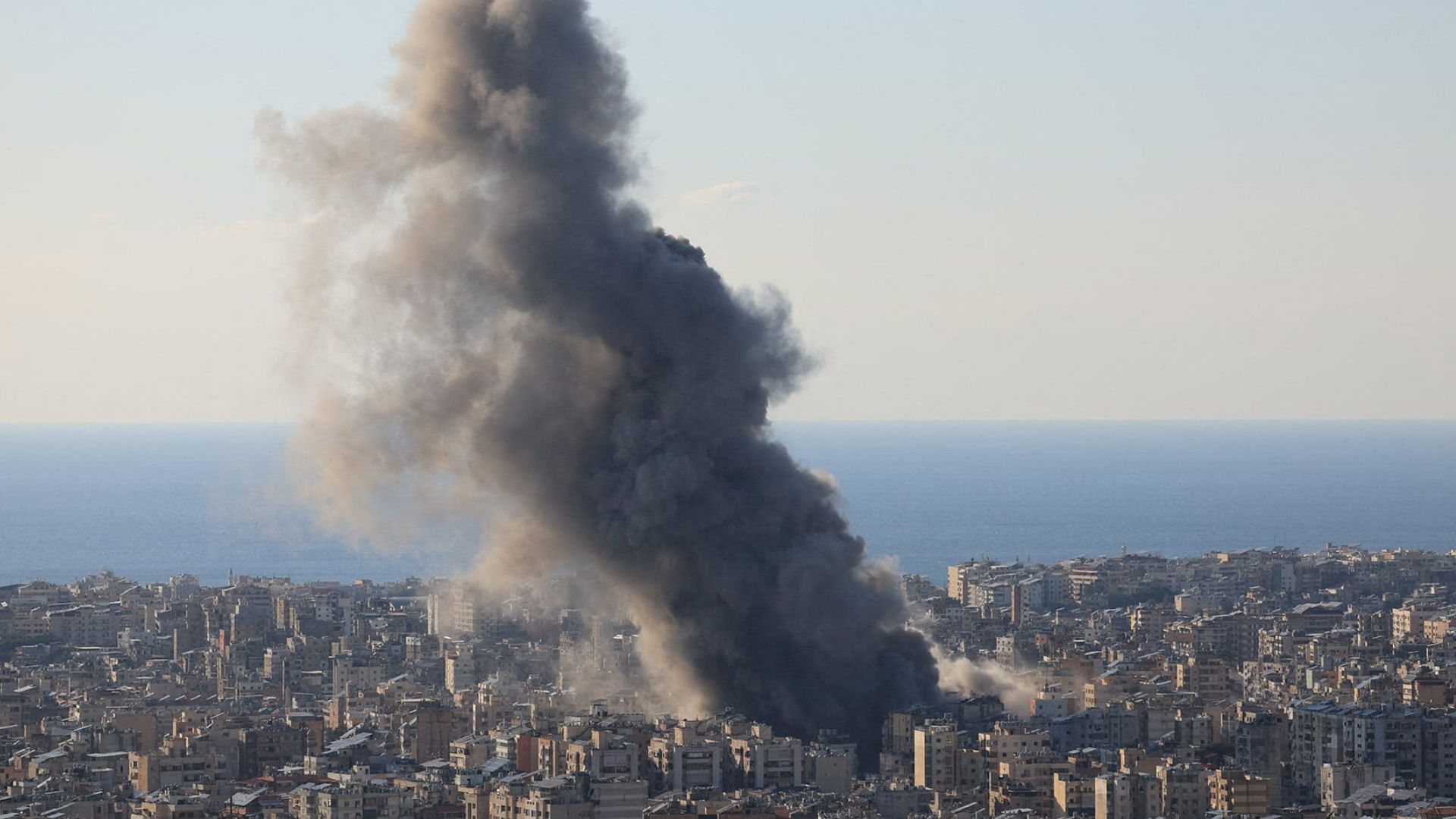
Saudi authorities said they intercepted the incoming missiles. However, photographs from the area showed smoke rising from an Aramco facility. The port of Yanbu was also targeted. The port plays an important role in Saudi Arabia’s oil export network.
The United States largely regards the Houthis as an Iranian proxy group. Washington has maintained that attacks on Riyadh could not happen without approval from Tehran. Iran, however, has rejected the allegation.
The attacks have also raised questions about whether Washington is prepared to provide direct military support to its regional allies.
Last week, Trump rejected a request from Saudi Crown Prince Mohammed bin Salman for US military assistance.
Saudi Arabia had sought support after the Houthis made a sudden advance and captured strategic ports along Yemen’s western coastline. This gave the group control over the Bab al-Mandab Strait, a key maritime passage used by commercial ships travelling through the Red Sea towards Asia.
Hormuz Disruption Puts Pressure on Energy Supplies
Meanwhile, the situation around the Strait of Hormuz has added another layer of pressure to global energy markets.
The strategic waterway between Iran and Oman is already effectively closed to western shipping. The disruption has increased concerns over energy supplies in Europe.
As a result, countries including France have introduced emergency measures to prevent possible fuel shortages.
The Houthis had earlier assured US officials that they would limit their attacks to Saudi-linked shipping in the Red Sea. The group apparently sought to prevent Washington from becoming directly involved in the conflict with Saudi Arabia.
Trump appeared to view those assurances as enough to protect key US interests and avoid direct military intervention.
However, Pentagon budget pressures and declining ammunition stocks following the conflict with Iran have also contributed to Washington’s reluctance to expand the war, according to a report.
Repeated US bombing campaigns have failed to remove the Houthi threat. The group’s rapid advance towards Yemen’s Red Sea coastline also caught Saudi-backed Yemeni forces off guard.
Trump has played down the possibility of a wider confrontation with the Houthis.
Speaking to
Fox News, he said, “The US is in constant contact with the Houthis and they have agreed not to go to war with the US.”
Meanwhile, the Houthi government said 318 ships travelled through the Strait of Hormuz between September 10 and 18, highlighting the continued importance of the waterway despite the ongoing disruption.