
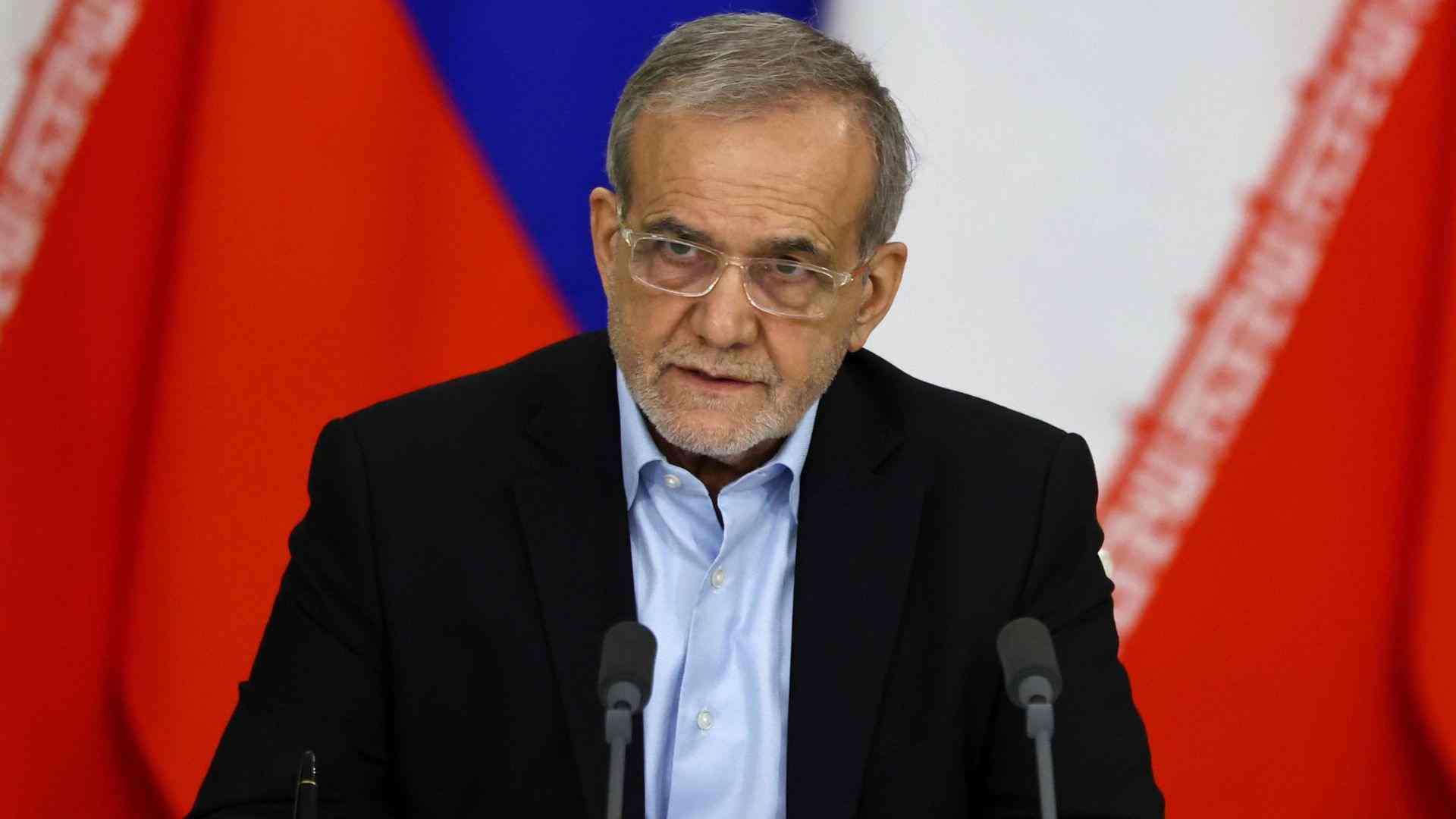

Iranian President Masoud Pezeshkian has signalled that Tehran could allow international nuclear inspections and restart negotiations with the United States. However, Pezeshkian said any new diplomatic process would depend on Washington accepting Iran’s proposal on the Strait of Hormuz.
Speaking to CBS News’ Face the Nation on Friday, Pezeshkian said Iran could allow United Nations nuclear inspectors to return if both sides reached an agreement during negotiations.
His comments come as Tehran seeks to revive talks over its nuclear programme after a 60-day ceasefire with Washington collapsed in July.
Iran open to renewed nuclear inspections
Pezeshkian was asked whether Iran would allow inspectors from the International Atomic Energy Agency to return to the country. “That is absolutely correct,” he said.
He later clarified that Iran and the inspectors could “reach accords and agreements” on the issue through negotiations. The comments leave the exact scope and conditions of any renewed inspection process open for discussion.
Pezeshkian says trust must be restored
Pezeshkian also spoke about the deep mistrust between Tehran and Washington. He said he would find it difficult to meet US President Donald Trump face-to-face while an “atmosphere of distrust” remains between the two countries.
The Iranian president pointed to US sanctions, threats and military strikes against Iran. He also argued that Washington had failed to honour previous commitments. Pezeshkian questioned whether the US would follow through on any future agreement reached with Tehran.
Strait of Hormuz linked to nuclear talks
The issue of trust is closely connected to Iran’s proposal for the Strait of Hormuz. Iranian Foreign Minister Abbas Araghchi has proposed reopening the strategically important waterway after seven days. He also called for the resumption of talks with Washington as an initial step towards a wider nuclear agreement.
The US has not accepted the proposal so far. Pezeshkian said Iran would follow the terms of an agreement if Washington accepted Tehran’s framework. The dispute over Hormuz remains a major point of tension. Washington has opposed Iran imposing control over waterways leading into the strait, including routes passing through Omani territory. Iran, meanwhile, has demanded that ships obtain permission and use routes approved by Tehran.
Previous ceasefire collapsed in July
The earlier 60-day ceasefire was intended to create time for negotiations over Iran’s nuclear programme. According to Pezeshkian, the ceasefire collapsed in July after Iran targeted commercial shipping. The US then responded with strikes on Iranian targets. The collapse ended the temporary pause and added further pressure to the already strained US-Iran relationship.
Iran denies plans for nuclear weapon
Iran’s nuclear programme remains the main obstacle to a long-term agreement. Iran has enriched uranium to high levels in recent years. Tehran has continued to deny that it plans to develop a nuclear weapon. ezeshkian repeated that position during his CBS interview. He said developing nuclear weapons is “haram”, meaning forbidden under Islam.
The position differs from Trump’s demand that Iran completely stop uranium enrichment. The earlier nuclear agreement reached during the Obama administration allowed Iran to carry out limited uranium enrichment. It also placed restrictions on the size of the programme and included international inspections.
New talks could differ from previous deal
Pezeshkian’s latest comments suggest that Tehran remains open to a new round of negotiations with Washington. However, his conditions indicate that any new agreement may not simply restore the previous nuclear framework.
Iran is offering possible renewed nuclear inspections and a pathway towards reopening the Strait of Hormuz. At the same time, Tehran wants Washington to address its concerns and rebuild trust before a broader diplomatic agreement can take shape.