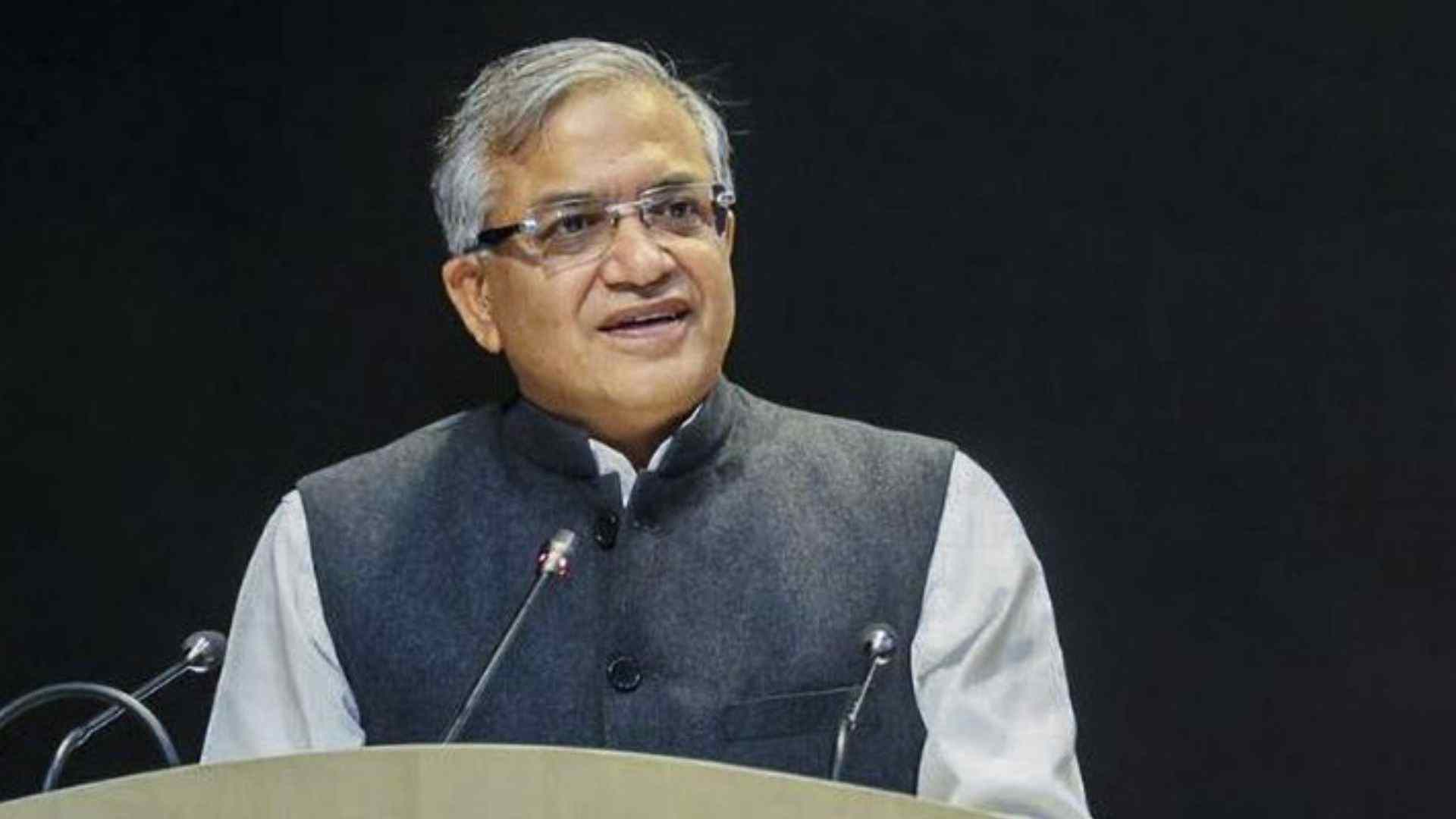
A group of former civil servants and social activists on Monday submitted a chargesheet and impeachment notice against
Chief Election Commissioner Gyanesh Kumar. The delegation accused Kumar of “proved misbehaviour”. It sought his removal under Article 324(5) of the Constitution.
Police reportedly barricaded roads leading to the Election Commission of India (ECI) before the delegation arrived to submit the notice. The notice accused Kumar of following a “sustained pattern of wilful disregard of law and constitutional duty, abuse of authority and conduct destructive of the integrity of India's electoral democracy”.
The delegation said his actions had damaged the ECI’s credibility and independence. It also asked Kumar to resign. The group said that if Kumar refused to step down, “We, the People of India” would serve the impeachment notice and seek his removal.
Six Charges Against Gyanesh Kumar
The chargesheet lists six allegations against the Chief Election Commissioner.
1. Undermining the ECI’s Collective Functioning
The delegation accused Kumar of taking ECI decisions without proper consideration by the full commission. It pointed to the Special Intensive Revision (SIR) of electoral rolls. The group alleged that the ECI moved ahead with the exercise without enough discussion or consultation.
It also alleged that the commission did not follow proper rule-making procedures or maintain adequate records. The notice referred to reported objections from two Election Commissioners. It claimed that officials took some decisions without informing them. The delegation also alleged that officials held some meetings without proper agendas or minutes.
2. Unauthorised Changes to Form 6
The second charge concerns Form 6. Voters use this form to seek inclusion in electoral rolls. The delegation alleged that the ECI used a modified version of the form despite objections from within the commission. It said officials had described the changes as “unauthorised and illegal”. The delegation also alleged that authorities asked some existing voters to state that they were seeking inclusion for the first time.
3. Alleged Unlawful Use of ECINET
The third charge relates to ECINET. The delegation alleged that the ECI used the system in a way that weakened the statutory role of Electoral Registration Officers. These officers handle additions, deletions and corrections in electoral rolls. The group questioned the legality of ECINET’s use. It also pointed to the ECI’s later decision to form an expert committee. The committee would examine whether ECINET complied with electoral laws and rules.
4. Alleged Mass Disenfranchisement Through SIR
The delegation called SIR an “unprecedented exercise in mass disenfranchisement”. It alleged that SIR placed too much responsibility on voters to prove their eligibility. The group also claimed that authorities lacked adequate preparation and training. It said the process did not have enough safeguards against wrongful exclusion.
According to the delegation, authorities had already deleted 13.3 crore names from the electoral rolls that existed before SIR. It projected that the gap between the adult population and the electorate could reach 15 crore or more. The delegation alleged that women, poor people, migrants, minorities and elderly voters faced a disproportionate impact.
5. Questions Over ECI’s Impartiality
The fifth charge concerns the ECI’s impartiality. The delegation accused Kumar of conduct that created doubts about his political neutrality. It referred to his alleged public interventions involving opposition leaders. It also cited what it called “combative political rhetoric”. The group linked these concerns to decisions surrounding SIR.
“You can no longer be a referee in a game where you are widely perceived to be aligned with a player,” it alleged. The delegation said such conduct could weaken public trust in the Election Commission.
6. Alleged Breach of Statutory Duty
The final charge invokes Section 32(1) of the Representation of the People Act, 1950. The delegation alleged that Kumar repeatedly failed to perform his statutory duties. It cited changes to electoral forms and the alleged bypassing of Electoral Registration Officers.
It also raised concerns over the use of ECINET and the alleged concealment of records. The group further accused Kumar of failing to address known violations. It said these actions showed a prima facie pattern of wilful breach of official duty.
Who Signed the Notice?
Several former officials and social activists signed the notice. The signatories include former Delhi lieutenant governor Najeeb Jung and former home secretary G K Pillai. Former Government of India secretary Amitabha Pandey and retired IAS officer Jayashree Mukherjee also signed it.
Retired IFS officer Ashok Sharma, former Central Information Commissioner Yashovardhan Azad and former civil servant Ashish Joshi are also among the signatories. Other signatories include Aishe Ghosh, N Sai Balaji, Dinesh Srirangarajan, Sandeep Yadav, Amrita Johri, Anjali Bhardwaj and Yogendra Yadav. The delegation said the alleged actions amounted to “proved misbehaviour” under Article 324(5).
It claimed that Kumar had lost the “moral and constitutional authority” to remain Chief Election Commissioner. However, the chargesheet contains allegations made by the delegation. The allegations do not by themselves establish wrongdoing by Kumar.