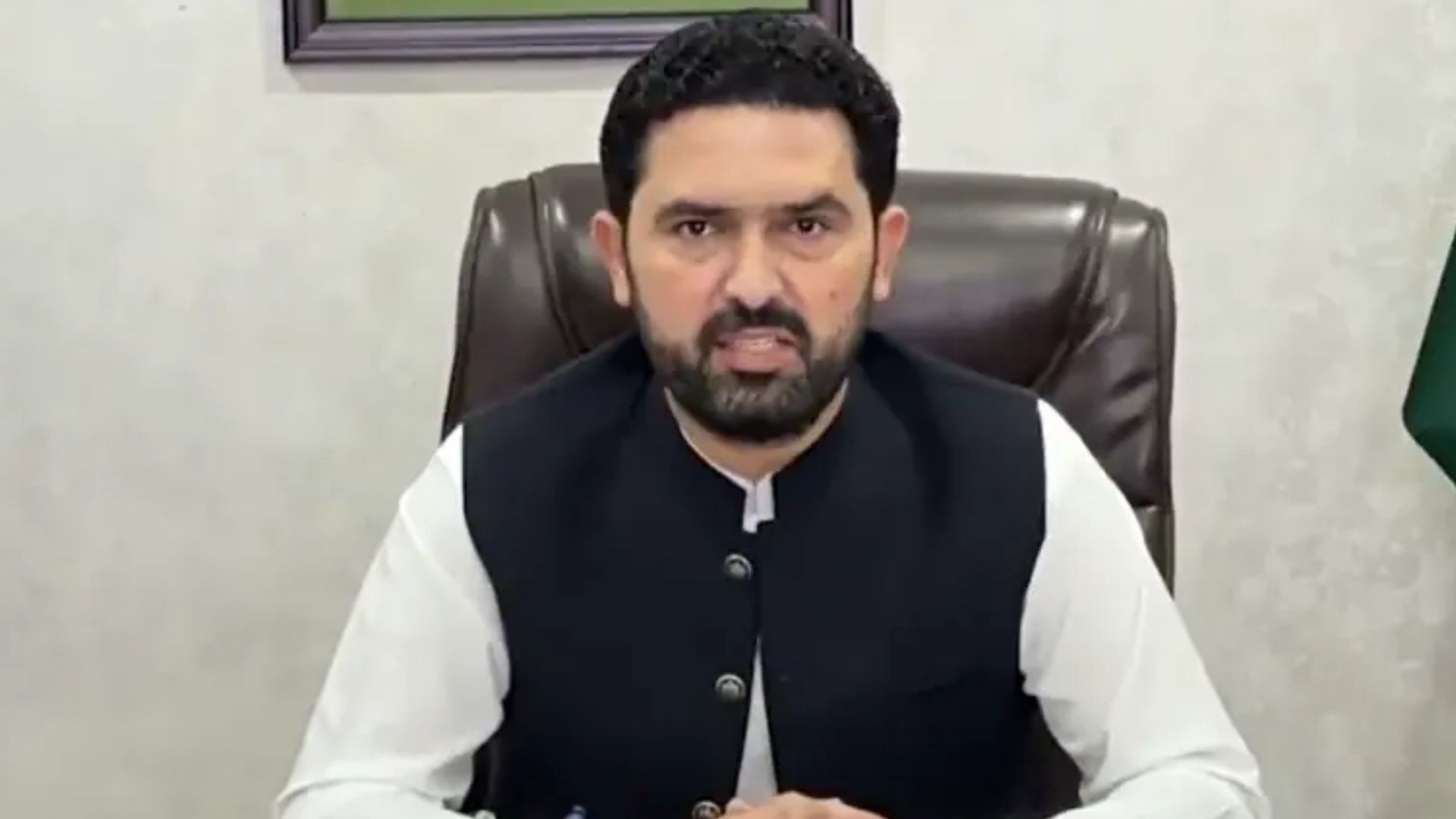
Pakistani police said on Monday that Sohail Afridi, the disqualified chief minister of Khyber Pakhtunkhwa, and seven other members of his party were in preventive custody. The detentions followed the imposition of emergency rule in the northwestern province, which suspended the
Pakistan Tehreek-e-Insaf (PTI)-led provincial government.
According to local broadcaster Geo News, those detained include Khyber Pakhtunkhwa Assembly Speaker Babar Saleem Swati and Junaid Akbar, the provincial head of the PTI.
The emergency measures, introduced on Sunday, have shifted control of the provincial administration to the federal government in Islamabad. Under the new arrangement, the governor has taken over the powers previously held by the chief minister.
Pakistan Transfers Provincial Powers to Governor
Following the imposition of emergency rule, Law Minister Azam Nazeer Tarar announced the formation of an 11-member advisory council. The council will work under the governor and oversee the province’s government affairs.
In addition, the federal government has ordered the deployment of Pakistan Army troops to support the governor. Tarar said the military personnel would assist in “maintaining law and order” across Khyber Pakhtunkhwa.
Meanwhile, authorities have introduced restrictions in several parts of the province, including Lower Dir, Peshawar and Malakand. Officials in these areas announced temporary school closures as tensions continued.
Malakand has also imposed a 30-day ban on political gatherings, rallies, processions and the display of weapons. These restrictions aim to control public gatherings and maintain security during the emergency.
PTI Supporters March to Demand Imran Khan’s Release
The federal government’s decision came after supporters of jailed former Prime Minister Imran Khan took to the streets in Khyber Pakhtunkhwa. The PTI supporters organised marches to demand Khan’s release.
The province shares a border with Afghanistan and has faced persistent security challenges. Against this backdrop, the emergency measures have intensified the political confrontation between Khan’s party and the federal government.
On Sunday, Information Minister Attaullah Tarar accused the PTI-led provincial administration of having a "nexus" with terrorist groups, according to the local newspaper Dawn.
However, the PTI’s suspension from power and the detention of its leaders have raised tensions in a province where the party has significant political support.
Pakistan Reports Rise in Militant Attacks
Pakistan has experienced an increase in militant attacks in recent years. Islamabad has linked the violence to the Afghanistan-based Tehreek-e-Taliban Pakistan (TTP), an armed group operating against the Pakistani state.
However, Afghanistan’s Taliban government has denied the allegations that it supports or allows militant activity against Pakistan from its territory.
On Monday, Afghan government spokesperson Zabihullah Mujahid responded to Pakistan’s accusations in a post on X, the US social media platform. He said Pakistani officials "blaming" Kabul for its "own failures" is no solution to any problem.
The exchange highlights the continuing tensions between Islamabad and Kabul over cross-border militancy. Meanwhile, emergency rule in Khyber Pakhtunkhwa has added another layer of political and security uncertainty in northwestern Pakistan.