
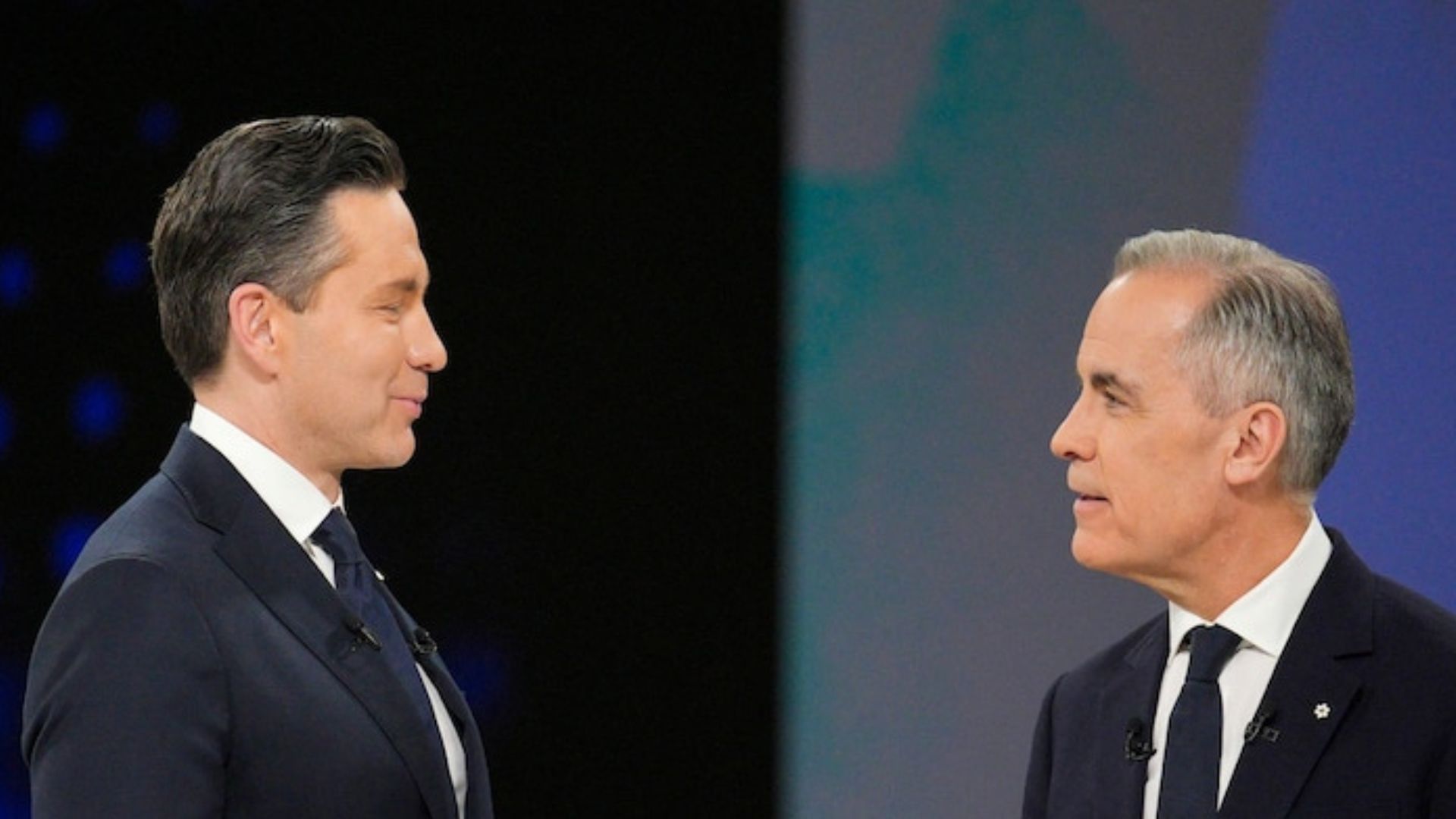

Canadians will head to the polls on Monday to elect a new government. The Liberals, led by Mark Carney, are aiming to stay in power. They face a strong challenge from Pierre Poilievre’s Conservatives. On Sunday, candidates made a final effort to win votes. However, a deadly car-ramming attack in Vancouver disrupted the final campaign hours. The shocking incident briefly shifted the national focus from US President Donald Trump. His trade war and threats to annex Canada had previously angered many Canadians.
Deadly Attack Shakes Final Campaign Day
Prime Minister Carney paused his campaign on Sunday to address the nation. A driver had rammed into a crowd at a Filipino street festival in Vancouver, killing 11 people. Dozens more were injured. Police arrested a 30-year-old man who had a history of mental health issues and previous encounters with law enforcement.
An emotional Carney, a 60-year-old father of four, expressed his grief. He said, "Last night families lost a sister, a brother, a mother, a father, a son, or a daughter...Those families are living every family's nightmare."
Meanwhile, Poilievre spoke at a church in Mississauga, a key election battleground near Toronto. He called the attack a "senseless act of violence." He added, "Our hearts are with you today. All Canadians are united in solidarity with the Filipino community."
Opinion Polls Show a Tight Race
Polls show Carney is seen as the strongest candidate ahead of Monday's election. Carney, a two-time central banker and former college hockey player, took over the Liberal leadership earlier this year after Justin Trudeau resigned.
Poilievre, 45, has served in Parliament for 20 years. He focused his campaign on rising living costs, blaming Trudeau’s decade in office for the economic troubles. He argued that Carney would continue the same "failed" Liberal policies.
Still, polls suggest Carney’s Liberals have a slight lead. Analysts say his tough stance against the US helped boost his popularity. Trump’s decision to impose tariffs and his repeated comments treating Canada like America’s "51st state" angered Canadians. This backlash helped Carney regain lost ground after Poilievre had earlier led by about 20 points.
In British Columbia, home to 43 electoral districts, the competition remains fierce. A Nanos poll released on Sunday showed the Liberals at 43 percent support, compared to 38.9 percent for the Conservatives. The gap had slightly widened compared to the previous day.
Voting Details and What to Expect
Advance voting in Canada took place from April 18 to April 21. Nearly 2 million Canadians cast their ballots on the first day alone, setting a record for single-day turnout.
On election day, polling stations will open from 9 am to 9 pm local time. Due to Canada’s six time zones, early results will come in after polls close in the Atlantic provinces. Full results are expected once voting ends in the Pacific region.
Around 28 million Canadians are registered to vote across 343 ridings, up from 338 in the last election in 2021.
Pollsters predict the Liberals may win the most seats nationally. Their support is stronger in urban areas, where more electoral districts are located. However, it is unclear if they will secure a majority to govern alone without needing help from smaller parties.
Key Smaller Parties to Watch
The Conservatives are also keeping a close eye on smaller parties. They are watching the performance of the left-wing New Democratic Party (NDP) and the separatist Bloc Quebecois.
In past elections, strong showings by the NDP in Ontario and British Columbia, and by the Bloc in Quebec, have limited Liberal seat counts. However, polls suggest that both smaller parties might struggle this time, possibly helping the Liberals further.