
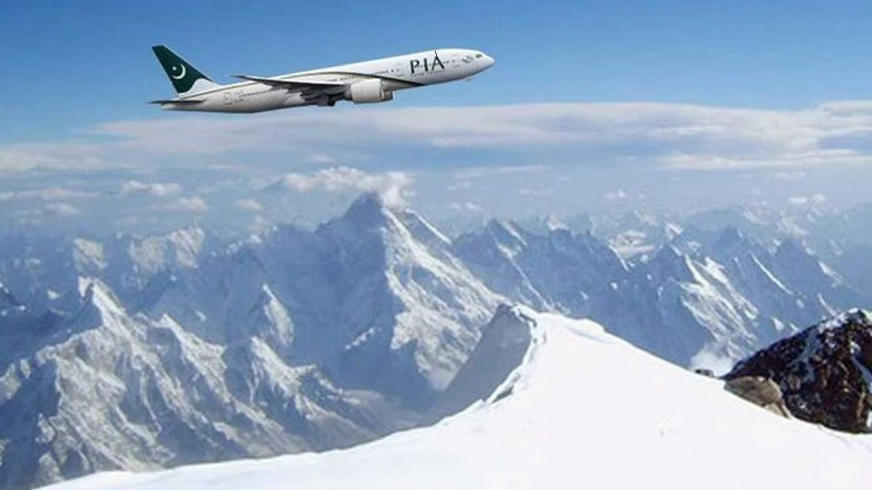

India has decided to block its airspace for all Pakistani flights, including those by commercial airlines and the military. This step comes six days after Pakistan first banned Indian flights from using its skies.
India issued a NOTAM (Notice to Airmen) on Wednesday, April 30. The ban started the same day and will stay in place until May 23. Before this official action, Pakistani carriers had already begun avoiding Indian air routes, expecting a similar reaction.
Pakistani Flights Face Longer Routes
Now, Pakistani planes heading east will have to fly through longer paths. These alternative routes go either through China in the north or Sri Lanka in the south, increasing flight time and fuel use.
Tensions Escalate After Terror Attack
This latest move follows a sharp rise in tensions between the two nations. Recently, terrorists attacked a tourist group in Pahalgam, Jammu and Kashmir, killing 26 people. Reports say the attack specifically targeted Hindu men.
The incident occurred shortly after a fiery speech by Pakistan’s army chief, General Asim Munir. This has further raised suspicions and anger in India.
On the same day as India’s airspace ban, Pakistan’s government claimed it had “credible intelligence” that India was planning a military operation across the Line of Control (LoC).
Other Tit-for-Tat Actions
Both countries have already taken other strong actions. India stopped issuing visas to Pakistani citizens, and Pakistan responded by halting Indian visas. They also asked each other's diplomats and citizens to return home by April 30. These steps have worsened the situation and strained ties even further.
India Suspends Indus Water Treaty
India has suspended the Indus Water Treaty, and the suspension will remain in effect until Pakistan 'credibly and irreversibly' ends its support for cross-border terrorism. This agreement, signed in 1960, controls how water from the Indus River system is shared between India and Pakistan. The river begins in Tibet and flows through Indian territory before entering Pakistan. Millions of people in both countries depend on this water. In response, Pakistan warned that any move to block or change the river flow would be seen as an “act of war.”