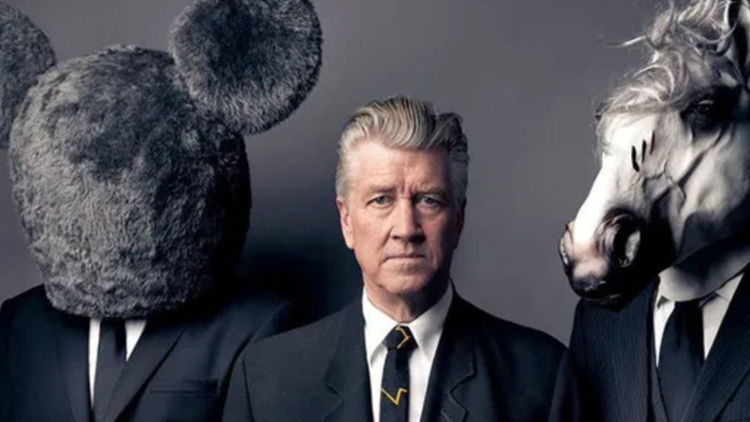
David Lynch’s filmmaking journey began with an unexpected moment. While painting, he heard a gust of wind and saw his artwork move. This event, in turn, sparked his passion for making "paintings move" on the screen. It also set the stage for his lifelong fascination with the bizarre, a theme that would define his career.
Rise to Fame
Lynch’s breakthrough came with his debut film, Eraserhead (1977). The film, a disorienting exploration of male paranoia and madness, puzzled critics but gained a strong following in midnight movie screenings. This success led to an offer from Mel Brooks, who invited Lynch to direct The Elephant Man (1980). The film, which told the touching story of a man with severe physical deformities, earned Lynch two Academy Award nominations.
Struggles with Hollywood
However, Lynch’s next film, Dune (1984), was a critical failure. Featuring strange special effects and costumes, it became a punchline in Hollywood. Lynch later admitted that Dune almost "killed" his career. Nevertheless, he bounced back with Blue Velvet (1986), a chilling exploration of small-town darkness, which earned him another Oscar nomination.
Breakthrough TV Series
In 1990, Lynch co-created Twin Peaks, a groundbreaking TV series that blended the ordinary with the sinister. The show followed the murder of a teenager in a small town, featuring quirky characters and a haunting atmosphere. It won three Golden Globe awards and, ultimately, changed the television landscape. As James Parker from The Atlantic noted, Twin Peaks "renegotiated TV’s contract with its audience."
Exploring Hollywood’s Dark Side
Lynch’s focus eventually shifted to Hollywood’s hidden truths in his Los Angeles Trilogy. This trilogy included Lost Highway (1997), Mulholland Drive (2001), and Inland Empire (2006). Among these, Mulholland Drive received widespread acclaim. The film earned Lynch his third Oscar nomination and a Cannes Best Director award.
Legacy and Cult Status
Lynch’s work continued to resonate and grow in influence. In 2017, he revived Twin Peaks with The Return, a series set 25 years after the original. His influence can also be seen in shows like True Detective and the 2023 game Alan Wake II. Furthermore, Lynch ventured into music, producing albums and music videos for artists like Moby.
Personal Life and Final Years
Lynch’s personal life had its ups and downs. He had four children and spoke openly about the challenges of balancing fatherhood with his career. Despite struggling with smoking, which contributed to his emphysema diagnosis, Lynch refused to retire. Instead, he remained committed to his work.
Awards and Recognition
In 2019, Lynch received a lifetime achievement award from the Academy. He also made a cameo appearance in Steven Spielberg's The Fabelmans (2022), playing the role of John Ford. Although his health deteriorated, Lynch’s creative spirit remained undiminished.
David Lynch’s Lasting Impact
David Lynch’s influence on cinema and television is undeniable. His work made the strange and unsettling feel real. His unique approach to storytelling continues to inspire filmmakers and artists worldwide, ensuring his ideas live on.