
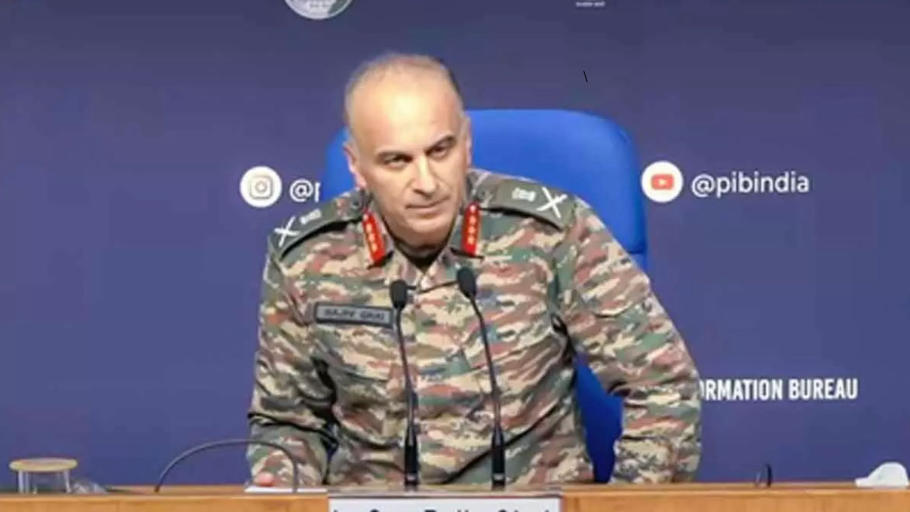

India’s Director General of Military Operations (DGMO), Lt Gen Rajiv Ghai, spoke with his Pakistani counterpart, Maj Gen Kashif Abdullah, via hotline on Monday evening. The call lasted about 30 minutes.
Both Sides Agreed to Continue Ceasefire
During the call, they discussed the May 10 agreement. Both sides agreed they must not fire even a single shot or take any aggressive action. According to the Indian Army, this agreement reflects a strong desire to avoid further escalation.
International Pressure Helped Calm the Situation
Earlier, the United States and other global powers urged both countries to avoid a full-blown war. As a result, both nations began considering measures to reduce hostilities.
Troop Withdrawal Plans Discussed
Additionally, both armies agreed to take immediate steps to reduce troop presence near the border. This decision aimed to lower tensions further and avoid future confrontations.
Meanwhile, tensions had already peaked after India launched Operation Sindoor on May 7. This was a direct response to the April 22 terror attack in Pahalgam, which killed 26 people.
Ceasefire Was Violated Soon After
However, the ceasefire did not last long. Within hours of the agreement on Saturday, Pakistan violated the terms. Drones entered Indian airspace, and cross-border shelling resumed.
Lt Gen Ghai criticized this action in a press briefing, stating, “Disappointingly and should I add expectedly, it took only a couple of hours for the Pakistan Army to violate these arrangements.”
India Issued a Strong Warning
Following the violation, India sent a hotline message to Pakistan. It warned of a “fierce and punitive” response if any further violations occurred.
Although there were no violations on Sunday, the situation changed again on Monday evening. Indian forces spotted Pakistani drones over Jammu and Kashmir. In response, India’s air defence systems opened fire.
Modi Declares Pakistan Was Forced to Accept Ceasefire
That same day, Prime Minister Narendra Modi said Pakistan agreed to the ceasefire only after a severe military defeat. He made it clear that Operation Sindoor was still ongoing.
Furthermore, Modi said, “Terror and talks cannot go together, terror and trade cannot go together, and blood and water cannot flow together.”
India Hit Major Pakistani Military Targets
Earlier, on the night of May 9, India launched heavy airstrikes. The Indian Air Force targeted 12 military bases in Pakistan and Pakistan-occupied Kashmir (PoK). These included Rafiqui, Chaklala, Rahim Yar Khan, Sialkot, and Karachi's Malir Cantt.
Air Marshal AK Bharti confirmed the strikes, saying, “Our fight was with terrorists and their support infrastructure. However, it is a pity that the Pakistan military chose to intervene and bat for the terrorists, which compelled us to respond in kind.”
India Focuses on Its Own Plan
When asked if Pakistan might use the ceasefire to regroup, Lt Gen Ghai replied, “I am not so concerned about what Pakistan will do in this time. I am only concerned about what we will do. We have a road map, and we will follow it diligently.”