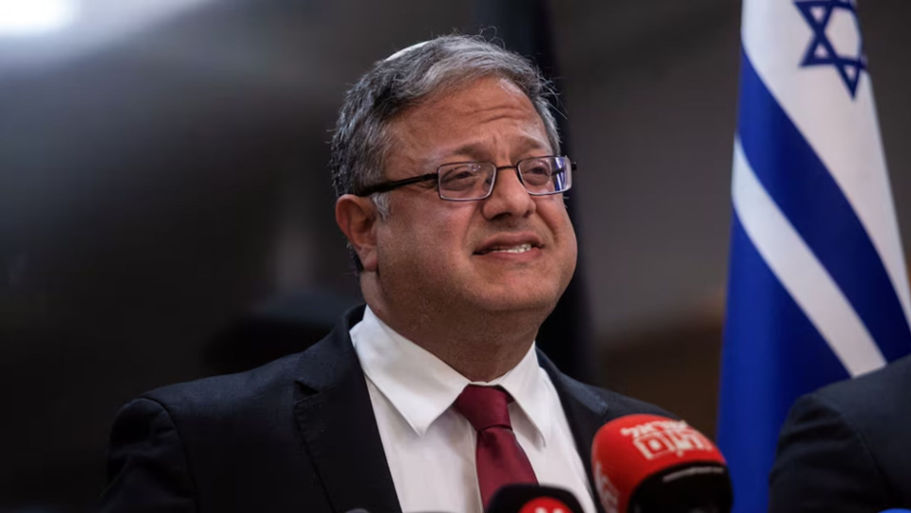
Israel’s National Security Minister, Itamar Ben Gvir, has stepped down from Prime Minister Benjamin Netanyahu’s government. He resigned in protest against the
ceasefire agreement with Hamas in Gaza.
Ben Gvir Condemns the Agreement
In a strong statement, Ben Gvir’s party, Jewish Power, criticized the ceasefire. They described it as a “capitulation to Hamas.” Furthermore, they denounced the release of “hundreds of murderers” and claimed the deal undermined Israel’s military gains in Gaza.
Netanyahu’s Majority Remains Intact
Despite Ben Gvir’s resignation, Netanyahu still holds a narrow majority in the Knesset. Earlier, Ben Gvir had warned that his party would withdraw support if the ceasefire and hostage deal were approved. However, the coalition has managed to remain intact, at least for now.
Ceasefire Delayed Over Hostage List
Initially, the ceasefire was set to begin on Sunday at 6:30 (GMT). However, Israel delayed it, insisting on a list of hostages from Hamas. Netanyahu’s office clarified, “The prime minister told the IDF that the ceasefire… will not begin until Israel receives the list of hostages Hamas promised to release.”
Subsequently, Hamas shared the names of three Israeli hostages via Telegram, an hour after the deadline. This step finally paved the way for the truce to proceed.
The October 7 Attack Ignites Conflict
The war began on October 7, 2023, with a surprise assault by Hamas. Initially, militants launched over 4,300 rockets into Israel. They also breached the Gaza-Israel barrier, targeting military bases and massacring civilians. The attack resulted in over 1,200 deaths and more than 250 hostages being taken into Gaza.
As a result, Netanyahu faces mounting pressure to balance the ceasefire deal and address growing divisions within his government.