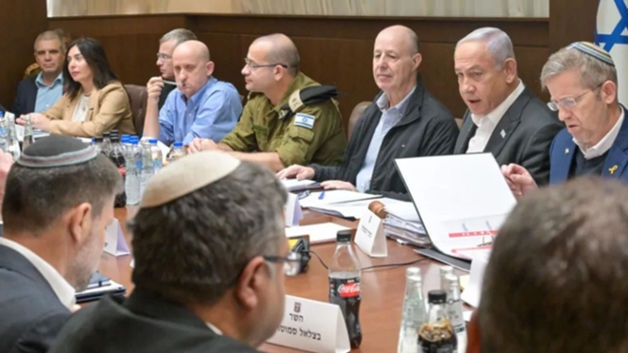
Israel's government has approved a new ceasefire and
hostage release agreement with Hamas. This decision follows extensive discussions that continued late into the night. Consequently, the deal will take effect on Sunday. However, two far-right ministers voted against it.
Hostage Exchange and Israeli Troop Withdrawal
Under the agreement, 33 Israeli hostages will be exchanged for hundreds of Palestinian prisoners. This will occur in the first phase, which will last six weeks. Additionally, Israeli forces will withdraw from Gaza’s densely populated areas. Moreover, displaced Palestinians will begin returning to their homes, and aid trucks will be allowed into Gaza daily.
Three-Phase Plan
The second phase of the plan will start after 16 days. It will aim to release the remaining hostages, fully withdraw Israeli troops, and restore calm. Following this, the third phase will focus on Gaza's reconstruction, which may take years. Importantly, any remaining hostages’ bodies will also be returned during this phase.
Details of Hostages and Prisoners
Qatar confirmed that the first hostages to be released will include women, children, the elderly, and the sick. Israel expects three hostages to be freed on the first day, with additional groups released at regular intervals over the six weeks. As a result, this phased approach will help manage the situation.
Political Divisions in Israel
While Culture Minister Miki Zohar supported the deal, calling it essential for bringing citizens home, far-right ministers such as Itamar Ben-Gvir opposed it. Ben-Gvir criticized the release of "life-sentenced terrorists" and expressed concerns about the deal. Therefore, he announced that his party would leave the coalition if the deal passed.
Hostages’ Families Express Hope and Concern
For hostage families, the deal offers a glimmer of hope, though they remain anxious. Einav Zangauker, whose son was abducted, emphasized, "This agreement must be followed through to the end, to bring everyone home and end the war." This sentiment reflects the mixed emotions of families hoping for a resolution.
International Efforts and Aid Delivery
Meanwhile, discussions in Doha and Cairo helped finalize the agreement. The deal includes provisions for sending 600 aid trucks into Gaza daily during the ceasefire. As a result, the influx of aid is critical to alleviate the region's infrastructure crisis.
Ongoing Strikes in Gaza
Despite the ceasefire deal, Israeli airstrikes continue. The Israeli military targets terrorist sites while trying to minimize civilian casualties. In contrast, the Palestinian Ministry of Health reports civilian deaths, including women and children, as a result of the ongoing strikes.