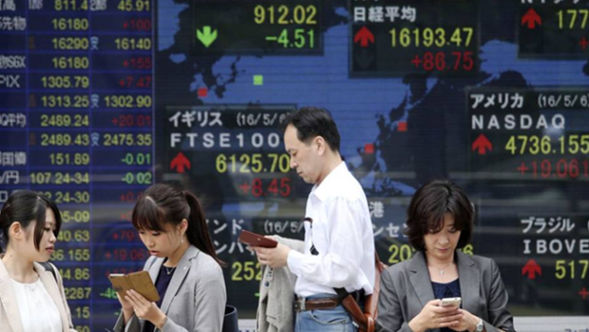
Asian stock markets experienced modest gains on Tuesday, following President Donald Trump’s announcement of potential new tariffs on Mexico, Canada, and China. While
Trump’s inaugural speech promised a "golden age" for America, he refrained from introducing immediate import taxes, which helped maintain market stability.
Markets Respond in Asia and Europe
To begin with, Asian indices reacted positively. Hong Kong’s Hang Seng rose by 0.9%, Japan’s Nikkei 225 increased by 0.3%, and Australia’s ASX 200 closed 0.6% higher. Meanwhile, South Korea’s Kospi remained unchanged, signaling cautious optimism.
In Europe, however, markets remained largely flat. The US dollar, on the other hand, gained strength against the euro and pound. Notably, the Mexican peso and Canadian dollar dropped sharply after Trump’s tariff remarks.
Trump’s Vision for Economic Growth
Furthermore, Trump emphasized his commitment to economic growth by proposing trade reforms, tax cuts, and reduced government regulations. According to him, these initiatives would enhance corporate profits and create new jobs.
Explaining his tariff plans, Trump stated, “We’re thinking in terms of 25% on Mexico and Canada because they’re allowing vast numbers of people… and fentanyl to come in.”
Additionally, he signed a memo instructing federal agencies to investigate the US trade deficit and probe alleged unfair practices, including currency manipulation by other nations.
Tariffs on China Tied to TikTok Deal
Interestingly, Trump linked potential tariffs on China to resolving
TikTok’s ownership issue. He warned that if Beijing blocked a deal, it would be considered a “hostile act.” However, he clarified that universal tariffs on all imports are not planned at this time.
Expert Concerns Over Inflation Risks
Nevertheless, economists raised concerns about inflation. They suggested that Trump’s measures might prompt the Federal Reserve to hike interest rates. Critics also argued that tariffs could lead to higher consumer prices, though Trump maintained they would make Americans wealthier.
Trump advisor Judy Shelton supported his stance, stating, “Tariffs are a very effective negotiating tool.” She also argued, “They won’t necessarily lead to inflation. Consumers may prefer US-made goods instead.”
Market Sentiments and Volatility
Moreover, analysts highlighted potential market unpredictability under Trump’s administration. Fiona Cincotta of City Index noted, “Plans for levies on Canada and Mexico saw their currencies drop.”
Tim Waterer from KCM Trade observed, “Trump’s explicit tariff agenda dampened market sentiment during the signing of executive orders.”
Meanwhile, Charu Chanana of Saxo Bank warned, “The dynamic policy environment under Trump will likely lead to increased market volatility.”
Oil and Bitcoin Trends
At the same time, oil prices fell due to expectations of increased supply. Conversely, Bitcoin saw gains as Trump expressed support for cryptocurrencies, bolstering investor confidence.
Looking Ahead
In conclusion, Trump’s focus on lower taxes and reduced regulations underscores his strategy to boost domestic production. As a result, investors brace for a period of volatility but remain hopeful about potential long-term economic benefits.