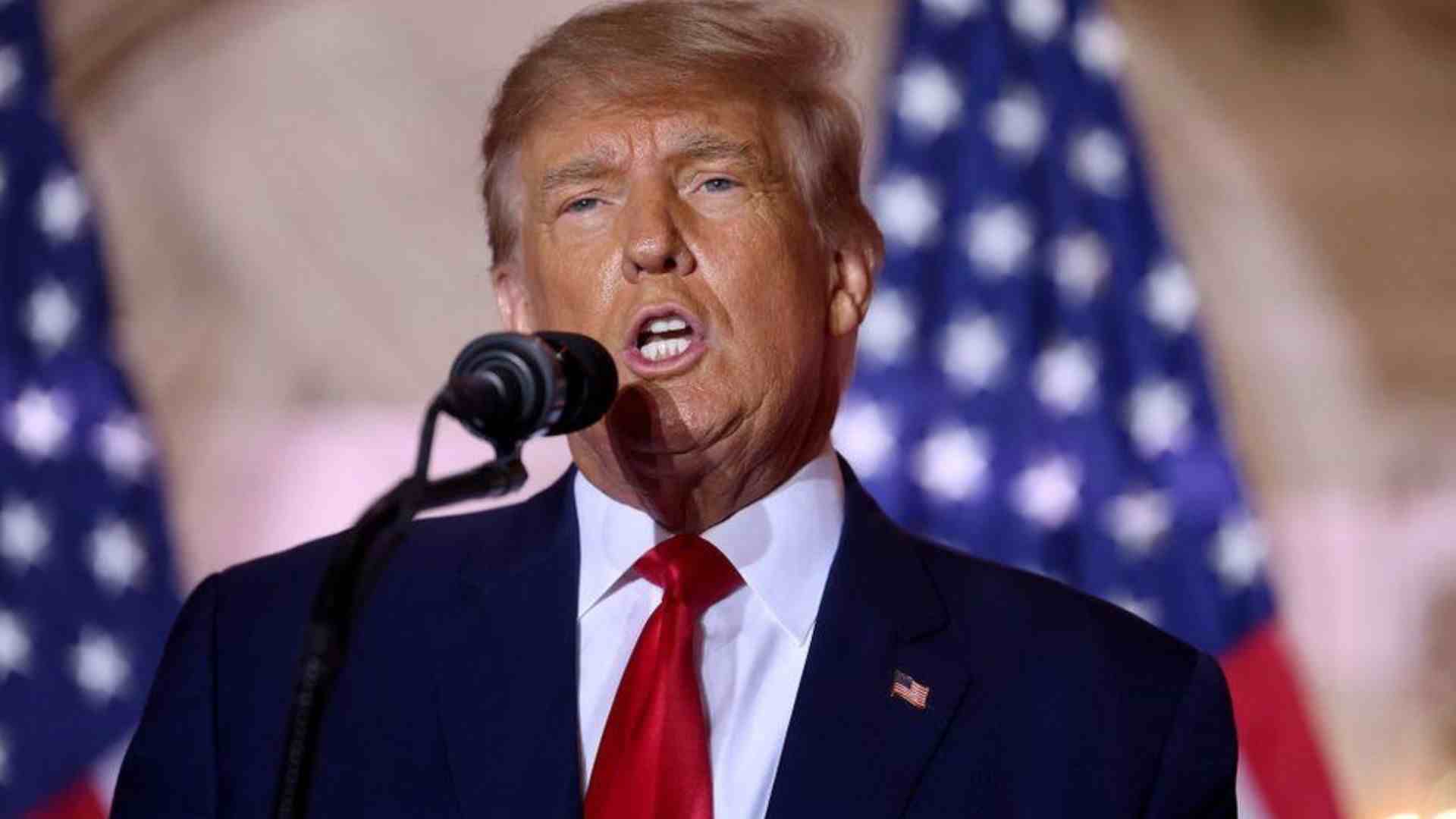
US President Donald Trump has issued an executive order with stricter election rules. The order requires proof of citizenship for voter registration. It also mandates that all ballots must arrive by Election Day.
Tougher Election Protections and Compliance
The order states that the U.S. has failed "to enforce basic and necessary election protections." It directs states to share voter data with federal agencies and prosecute election crimes. States that refuse to comply may lose federal funding.
Legal Challenges Likely
The order will likely face legal challenges. States have the authority to set election rules. Trump's directive matches his long-standing claims of election fraud. He has often alleged rigging even before results were announced. The Associated Press reports that he continues to challenge voting methods and blames fraud for his 2020 loss.
Mail-In Voting and Fraud Concerns
Trump has criticized mail-in voting, saying it is prone to fraud. However, he has softened his stance since many Republicans support it.
Proof of Citizenship Now Mandatory
The order enforces proof of citizenship for voter registration. This move bypasses the need for congressional approval of the Safeguard American Voter Eligibility (SAVE) Act.
Republicans argue that this rule will restore election confidence. Federal law already prohibits noncitizens from voting and imposes strict penalties. However, voting rights advocates warn that many eligible voters may be affected. A 2023 Brennan Center report found that 21.3 million U.S. citizens, or 9% of the voting-age population, lack immediate access to proof of citizenship.
Married women who changed their last names may also struggle to register. New Hampshire recently faced similar problems when a law required proof of citizenship for voter registration.
Federal Agencies Ordered to Enforce Election Laws
Trump's order instructs federal agencies, including Homeland Security, the Social Security Administration, and the State Department, to share data with election officials.
It also tells the attorney general to "prioritize enforcement of federal election integrity laws." States that fail to report suspected election crimes may face penalties. The order also ensures all votes must be "cast and received" by Election Day, linking compliance to federal funding.
Constitutional Challenges Expected
Currently, 18 states and Puerto Rico allow mail-in ballots postmarked by Election Day to be counted if received later. Trump's order seeks to stop this practice.
Legal experts expect challenges since the Constitution gives states control over elections. While Congress can regulate some aspects, states decide election "times, places, and manner."
Trump aims to enforce tighter election rules, but courts and state officials will likely push back.