

The United States recently announced the cancellation of all visas held by individuals with South Sudanese passports. This move followed South Sudan’s refusal to accept its deported citizens back from the U.S.
Tougher U.S. Immigration Policy Sparks Action
Officials explained that the administration of President Donald Trump had adopted a strict approach toward immigration enforcement. The policy focused on removing individuals staying in the country illegally. As part of that policy, Washington had warned that countries refusing to take back deported citizens could face consequences such as visa restrictions or even trade penalties.
Secretary of State Issues Statement
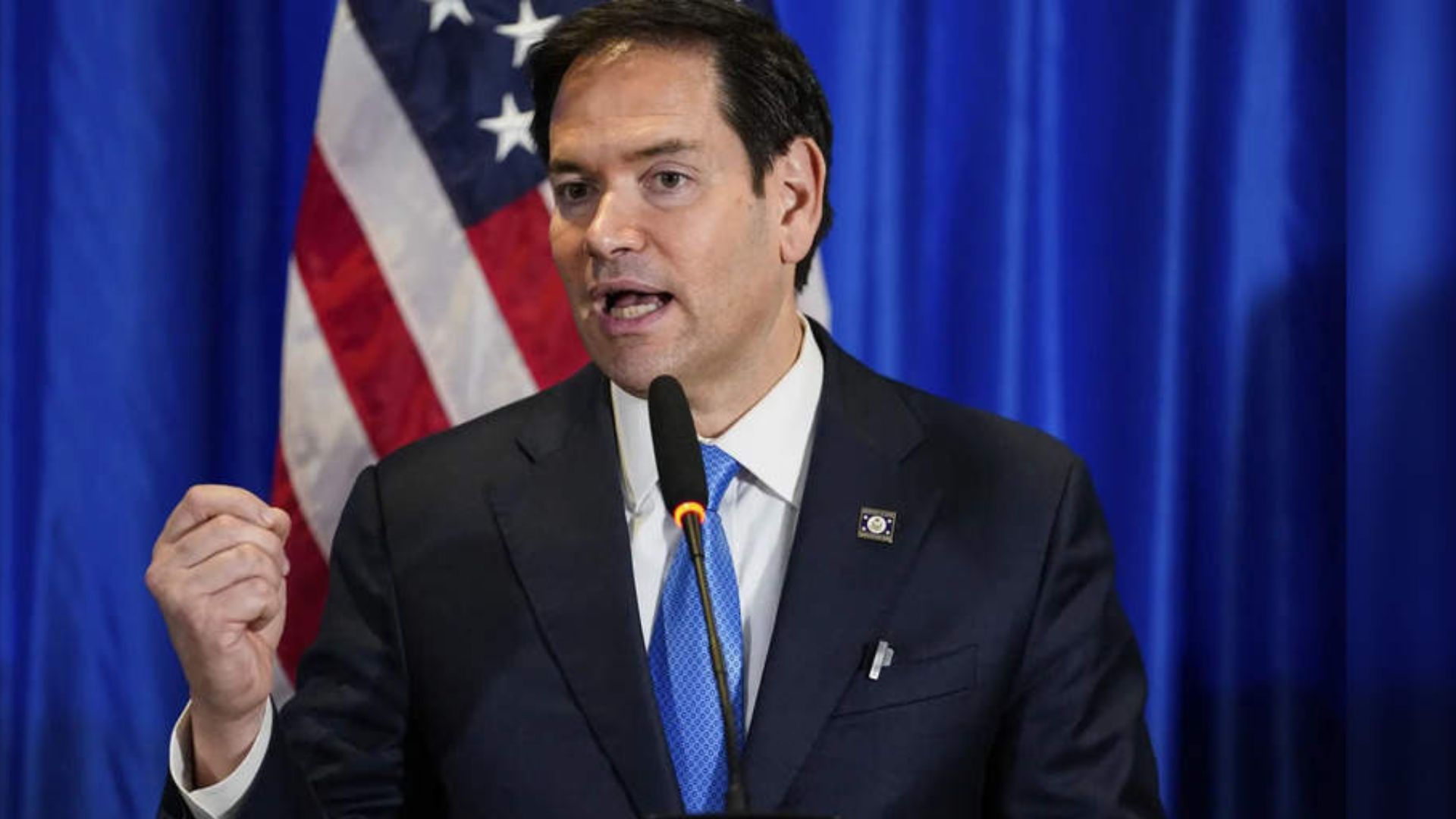
On Saturday, U.S. Secretary of State Marco Rubio confirmed the decision. He stated that South Sudan had violated the international rule requiring countries to accept their deported nationals. Rubio said that the U.S. State Department would immediately revoke all visas held by South Sudanese passport holders and would also stop issuing new ones. He indicated that this action aimed to block South Sudanese citizens from entering the United States.
Rubio added that the U.S. government might reconsider the visa ban if South Sudan agreed to cooperate fully. He emphasized that the United States expected the South Sudanese transitional government to stop misusing American support. At the time of the announcement, South Sudan’s embassy in Washington had not released a response.
Political Tensions Escalate in South Sudan
While diplomatic tensions grew abroad, unrest continued to rise within South Sudan. Reports said that African Union mediators had recently arrived in the capital, Juba. Their mission was to hold peace talks and prevent another civil war.
In a related development, authorities had placed First Vice President Riek Machar under house arrest the previous week. The government, led by President Salva Kiir, accused him of plotting to incite a fresh rebellion.
Fighting in Upper Nile Region Raises Alarm
Meanwhile, violence resurfaced in the Upper Nile state. Observers reported that government forces had clashed with the White Army militia. During the 2013–2018 civil war, this group had supported Machar’s side. However, his allies currently denied any connection with the militia.
The earlier conflict had split the nation along ethnic lines. President Kiir, a member of the Dinka community, drew backing from his ethnic group. On the other hand, Machar, who belongs to the Nuer, led the opposition forces during the war.