
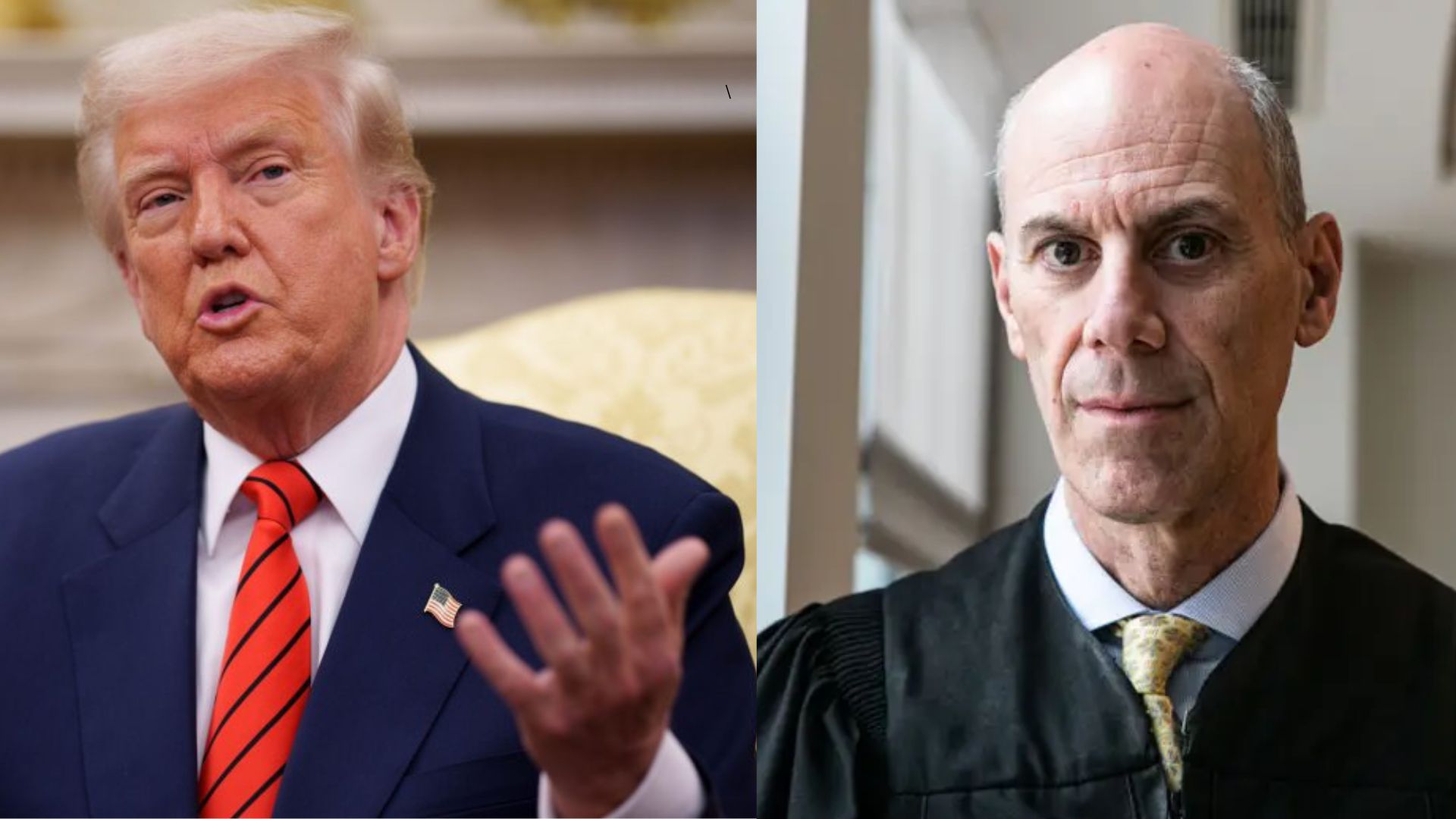

U.S. District Judge James Boasberg has strongly criticized the Trump administration for ignoring a court order that barred deporting Venezuelan migrants under the Alien Enemies Act of 1798. The administration used the old wartime law to justify flying hundreds of Venezuelans — many accused of gang ties — to a prison in El Salvador.
In a 46-page ruling, Judge Boasberg stated, “The Court ultimately determines that the Government’s actions on that day demonstrate a willful disregard for its Order, sufficient for the Court to conclude that probable cause exists to find the Government in criminal contempt.”
He made it clear that he didn’t reach the conclusion lightly. “Indeed, it has given defendants ample opportunity to explain their actions. None of their responses has been satisfactory,” he wrote.
Administration Flouted Order, Court Says
According to Boasberg, federal officials failed to comply with both a verbal and written order to stop the deportation flights. He said the government had “deliberately flouted” the court’s directive. The judge warned that such actions could lead to criminal contempt charges if the administration failed to fix its conduct.
White House Denies Wrongdoing
The White House rejected all accusations and announced its plan to appeal. Trump’s communications director, Steven Cheung, defended the actions, saying, “The President is 100 percent committed to ensuring that terrorists and criminal illegal migrants are no longer a threat to Americans and their communities across the country.”
Alien Enemies Act at Center of Dispute
At the heart of the controversy lies the Alien Enemies Act, a law created in 1798 during wartime. The Trump administration relied on it to deport Venezuelan men accused of being gang members, mainly linked to Tren de Aragua, a criminal group.
They were sent to CECOT prison in El Salvador, known for harsh conditions. However, a CBS News investigation revealed that 75 percent of the deportees had no criminal record. Around 22 percent had minor offenses such as trespassing and theft. Only a few faced charges for serious crimes like assault or murder.
Court Order Was Clear, But Ignored
On March 15, Judge Boasberg ordered government lawyers during an emergency hearing to stop deportation flights. He made it clear that any ongoing flights should be halted immediately. Despite this, nearly 140 Venezuelan migrants were deported.
What Happens If a Court Order Is Ignored?
Criminal contempt of court means knowingly disobeying a lawful court order. Legal expert Mitchell Epner told CBS News, “Even the hint of being held in contempt by a judge is ordinarily enough in order to cause litigants to correct their behaviour.”
Judge Boasberg gave the administration one last chance to avoid contempt. He asked them to bring back the migrants and submit a new action plan within a week. If they fail, he may take further steps — including naming responsible officials, holding sworn depositions, or calling live hearings.
He even mentioned the option of recommending criminal charges. Although the Department of Justice (DOJ) under Trump is unlikely to prosecute its own officials, Boasberg could invoke a rarely used law to appoint a private attorney to handle the case.
Legal experts warn this could spark a constitutional crisis, as it would pit the judicial branch against the executive branch. Epner added, “Actually trying to prosecute a criminal contempt here would be a mess.”
Judge Boasberg isn’t the only one taking action. In a separate case, Maryland Judge Paula Xinis also threatened contempt after the administration failed to follow a Supreme Court order to return Kilmar Abrego Garcia, a mistakenly deported Salvadoran migrant. “There will be no tolerance for gamesmanship or grandstanding,” she warned.
Supreme Court Reversed Boasberg’s Original Order
Meanwhile, the Supreme Court overturned Boasberg’s earlier order based on procedural grounds, saying deportation challenges must be filed where the migrant is held — in this case, Texas, not Washington. But Boasberg argued that court orders must still be followed, even if later overturned. “It is a foundational legal precept that every judicial order ‘must be obeyed’ — no matter how ‘erroneous’ it ‘may be’ — until a court reverses it,” he said.
Migrants Seek Broader Legal Relief
Following Boasberg’s latest ruling, attorneys for the deported Venezuelans moved to expand the case. They requested retroactive relief and asked the court to give all future deportees under the Alien Enemies Act 30 days' notice to fight removal.
ACLU Backs Court’s Tough Stance
ACLU attorney Lee Gelernt supported Boasberg’s position, saying, “Judge Boasberg is correctly focused on the return of individuals sent to a brutal Salvadoran prison without any process whatsoever, and that also remains our concern.”