
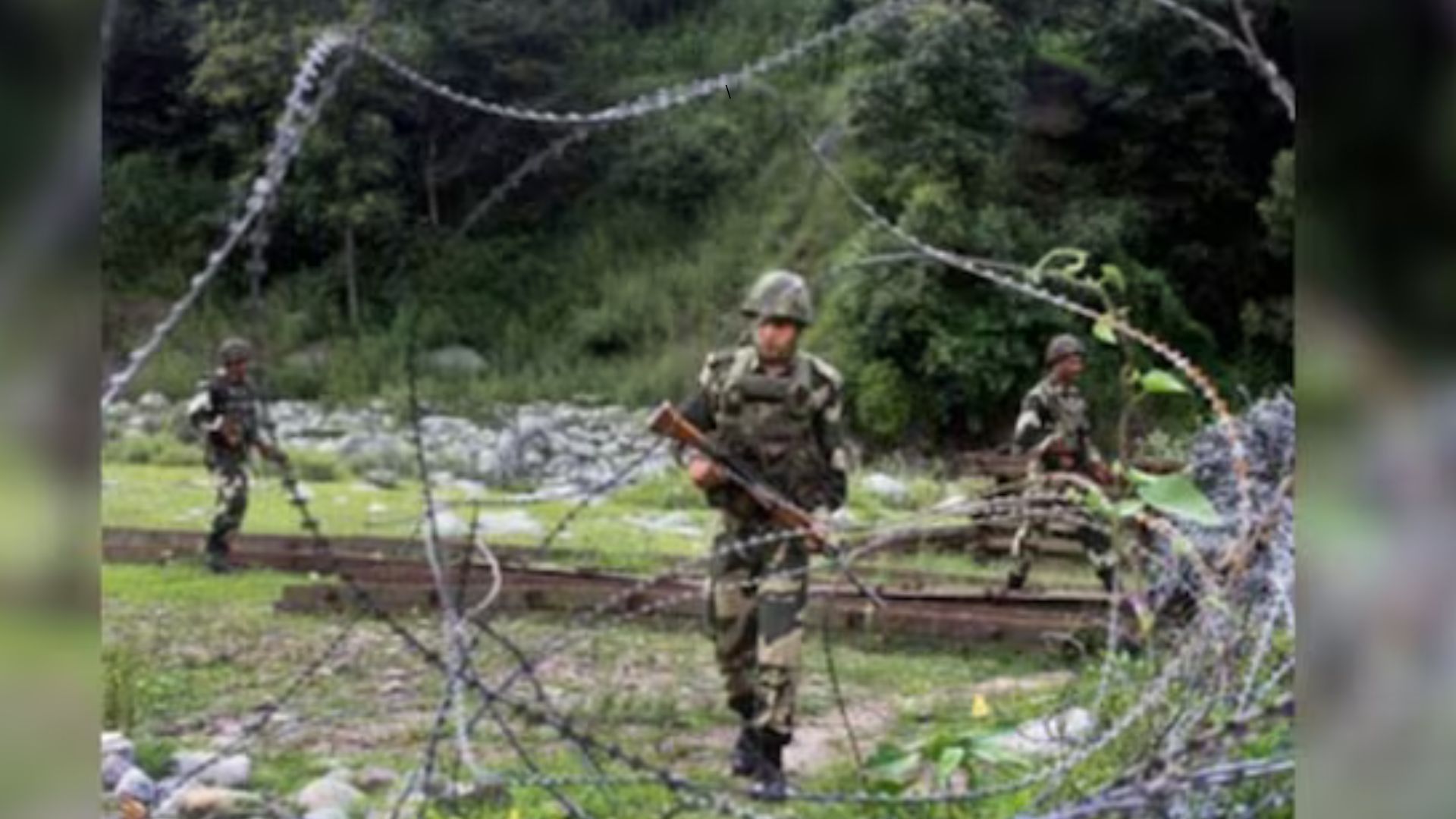

Pakistan Army soldiers fired at multiple locations along the Line of Control (LoC) in Jammu and Kashmir, seemingly violating the ceasefire agreement on Friday. In retaliation, the Indian Army responded quickly and effectively.
Details of the Firing Incident
A source confirmed, “There were incidents of small arms firing at some places on the Line of Control initiated by Pakistan.” The source added, “The firing was effectively responded to.” Updates on the situation are still awaited.
Army Chief to Assess Security Situation
The firing came just before Indian Army Chief General Upendra Dwivedi’s planned visit to Srinagar and Udhampur. During his visit, General Dwivedi will meet top Army officers and security officials. His focus will be on reviewing security conditions in Kashmir and addressing recent ceasefire violations by Pakistan.
Rising Tensions Between India and Pakistan
This incident increases tensions between India and Pakistan, especially after the recent Pahalgam terror attack. The attack, which killed 26 people, has added more strain to already fragile relations.
India’s Strong Response to Pahalgam Attack
In response to the Pahalgam attack, India took swift action. On Wednesday, Prime Minister Narendra Modi led a high-level Cabinet Committee on Security (CCS) meeting, attended by Home Minister Amit Shah. They decided to suspend the Indus Waters Treaty until Pakistan stops supporting cross-border terrorism.
India also closed the Integrated Check Post at Attari.
Diplomatic and Visa Actions Against Pakistan
India expelled several Pakistani diplomats, declaring them persona non grata. These diplomats must leave India within a week. Additionally, India canceled all visas issued under the SAARC Visa Exemption Scheme. Pakistani nationals in India now have 48 hours to leave.
Pakistan’s Response to Treaty Suspension
Pakistan strongly opposed India’s suspension of the Indus Waters Treaty. It warned that diverting water from the Indus River system would be considered an “act of war.”
The World Bank has mediated the Indus Waters Treaty since 1960. This agreement governs how India and Pakistan share the Indus river system. The eastern rivers—Ravi, Beas, and Sutlej—are mainly for India, while the western rivers—Indus, Jhelum, and Chenab—primarily serve Pakistan. The Kabul River, though part of the system, does not flow through India. Water from these rivers is crucial for both countries.