
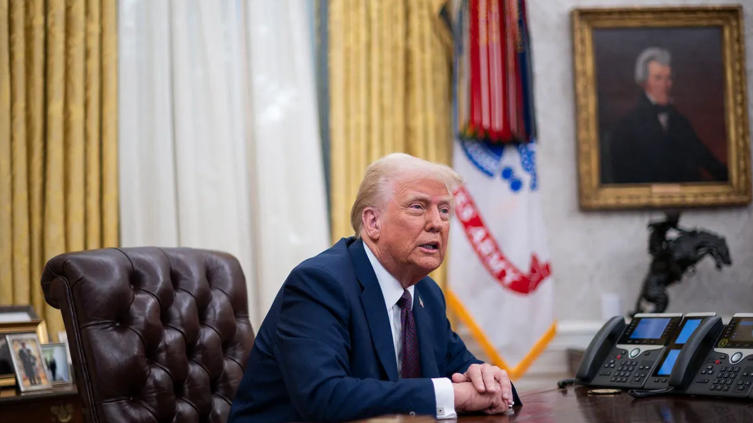

US President Donald Trump said on Friday that a ceasefire between Israel and Hamas may happen within a week. He said the deal could end the nearly two-year-long war in Gaza.
Trump spoke during a peace deal signing between DR Congo and Rwanda at the White House. He told reporters that he had received updates from people close to the negotiations.
“I think it’s close. I just spoke to some of the people involved,” Trump said. “We think within the next week we’re going to get a ceasefire.”
Peace Efforts Gained Speed After Iran-Israel Truce
The push for a ceasefire in Gaza began earlier this week. The US helped broker a truce between Iran and Israel that ended a 12-day conflict. Trump claimed the strikes during that fighting crippled Iran’s nuclear program.
Now, peace efforts have shifted to Gaza.
Hamas Confirms Ongoing Talks
Hamas said talks with mediators have become more active. A senior official from the group spoke to AFP. “Our communications with the brother mediators in Egypt and Qatar have not stopped and have intensified in recent hours,” said Taher al-Nunu.
He added that the group had “not yet received any new proposals” to end the war, now in its 21st month.
Hamas Offers to Free Hostages
Hamas has agreed to release all remaining hostages if the war ends through a formal deal. But Israel remains firm. Israeli leaders said they will only stop fighting if Hamas is dismantled or disarmed.
Israeli Minister Heads to Washington
Ron Dermer, Israel’s Minister for Strategic Affairs, will visit Washington on Monday. A Reuters source said he will meet with Trump’s team. They will discuss Gaza, Iran, and a possible visit by Prime Minister Netanyahu to the White House.
Israeli Army Probes Troop Misconduct
Meanwhile, the Israel Defense Forces (IDF) opened an investigation into possible war crimes in Gaza. This follows reports that Israeli troops may have fired on Palestinians at aid centres.
The Israeli newspaper Haaretz reported the claims. Some anonymous soldiers told the outlet they were told to shoot at crowds gathering near food aid sites. The goal was to stop people from approaching military positions.
These soldiers said they felt uneasy firing at civilians who didn’t pose a threat.