
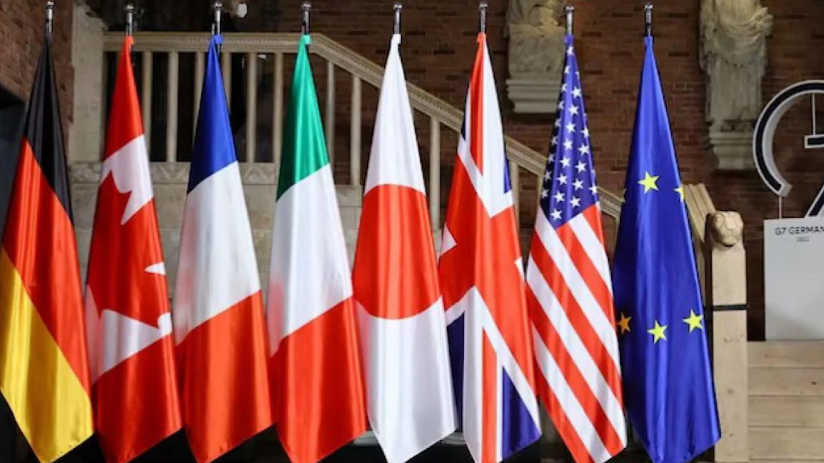

The United States and other G7 countries have agreed to a plan that protects American companies from parts of a global tax deal. The G7 announced this agreement in a joint statement on Saturday.
US Seeks Exemptions
Earlier, the US proposed that its companies should not face new international taxes. It argued that American firms already pay similar taxes under domestic law. Therefore, they should not be taxed again by other countries.
As a result, the G7 accepted the idea. The group said the deal “acknowledges existing US minimum tax regulations” and aims to “enhance stability in the international tax framework.”
Progress After Months of Talks
After months of discussions, US Treasury Secretary Scott Bessent said the deal was nearly done. On Thursday, he posted on social media, “After months of productive dialogue with other countries on the OECD Global Tax Deal, we will announce a joint understanding among G7 countries that defends American interests.”
Trump Administration's Opposition
Meanwhile, US President Donald Trump has opposed the global tax plan. His administration believes it could hurt American companies. However, Bessent noted some recent developments.
He stated, “Based on this progress and understanding, I have asked the Senate and House to remove the Section 899 protective measure from consideration in the One, Big, Beautiful Bill.”
What is Section 899?
Section 899 is a part of US tax law. It allows the government to impose extra taxes on companies with foreign owners. It also targets countries that impose unfair taxes on US businesses. As a result, many called it a “revenge tax.”
However, critics feared the rule might push away foreign investors. They argued that it could stop global firms from investing in the United States.
A Step Toward Cooperation
Now, with the new G7 agreement, the US wants to drop Section 899. This step is expected to protect American companies and improve cooperation on international tax issues.