
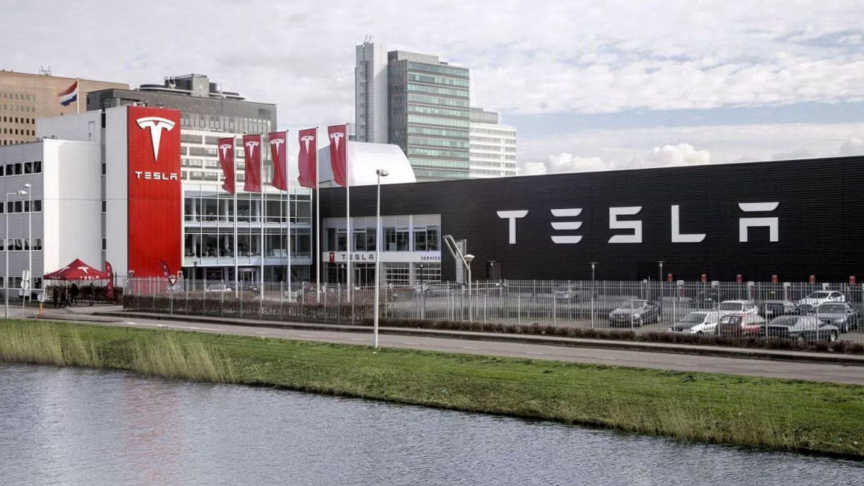

Tesla continues to face serious challenges. The electric vehicle giant reported a sharp drop in sales, marking the biggest yearly decline in its history. This comes as CEO Elon Musk’s political involvement and rising industry competition further damage the company’s image.
Sales Drop Despite Earlier Promise
Tesla sold 384,122 cars in the latest quarter. That’s about 60,000 fewer vehicles than the same time last year—a 13.5% decrease. This is the largest year-over-year decline Tesla has ever recorded. On the bright side, sales were up 14.1% compared to the first quarter of this year.
The weak sales numbers come just weeks after Musk had predicted a “major rebound.” His confident statement had led to a surge in investor interest, but the results have disappointed many.
Pressure to Hit Year-End Targets
Now, Tesla must sell over one million cars in the second half of the year. Typically, this period sees stronger sales. However, analysts say the target may be hard to reach. They point to uncertainty from tariffs and the possibility that the Trump administration may cut EV incentives, including the $7,500 tax credit on electric vehicle sales and leases.
Musk’s Politics Stir Backlash
Musk’s ties to US President Donald Trump have also hurt the company. His political involvement has sparked protests at Tesla showrooms in both the US and Europe. In some places, Tesla cars and buildings have even been vandalized in response.
Europe Sales Drop for Fifth Month
In Europe, Tesla’s struggles continue. Sales fell for the fifth straight month in May. Many investors had hoped the public’s anger at Musk would fade. Instead, it seems to be growing.
According to data from the European Automobile Manufacturers’ Association, Tesla’s sales dropped 28% last month in 30 European countries. Meanwhile, the overall EV market is growing fast, showing Tesla is losing ground to competitors.
Competition Heats Up
Tesla has tried to boost demand through low-cost financing offers. But the company has still not launched its long-promised affordable models. At the same time, Chinese EV brands are gaining popularity with stylish, feature-rich cars.
Experts say Tesla’s troubles come from a mix of factors: tough competition from Chinese automakers, European tariffs on Chinese EVs, and a consumer backlash driven by Elon Musk’s political choices and activism—especially in Europe.