
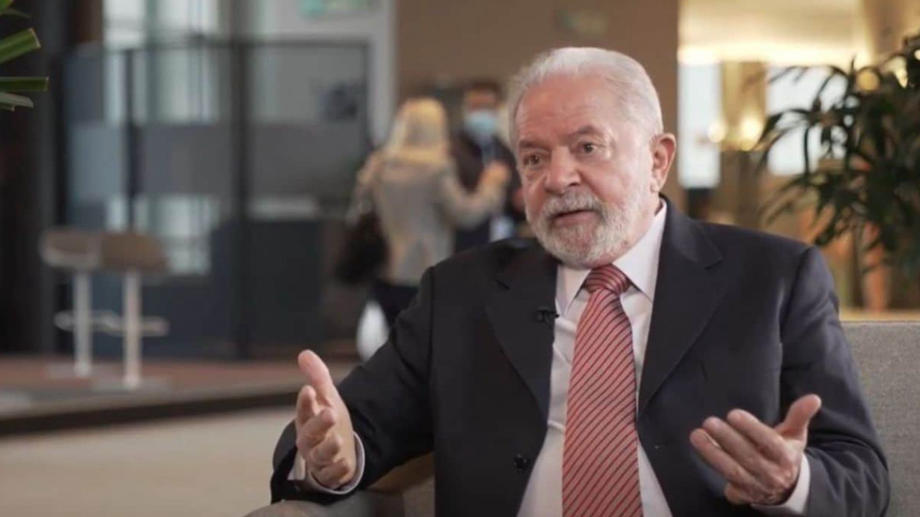

Brazilian President Luiz Inacio Lula da Silva has warned of equal retaliation after US President Donald Trump announced 50% tariffs on all Brazilian exports. “If he charges us 50 per cent, we’ll charge him 50 per cent,” Lula told Record, a local news outlet.
Trump Accuses Brazil of Political Bias
Earlier on Thursday, Trump accused Lula’s government of conducting a “witch-hunt” against former President Jair Bolsonaro, who is on trial for trying to overturn the 2022 election result. As a result, Trump announced the new tariffs, which will take effect on August 1.
Brazil Responds with Strategic Planning
Soon after Trump’s announcement, Lula held a meeting with top Brazilian ministers. They discussed how to respond. According to Lula’s chief of staff’s office, the government will form a study group to plan its next steps.
Meanwhile, Lula said Brazil would file a formal complaint with the World Trade Organization (WTO). He also plans to request international investigations into the US tariffs. In addition, Brazil will “demand explanations” from the United States.
Trump Issues Strong Warning Against Retaliation
However, Trump has already warned Brazil not to retaliate. In a letter to Lula, he wrote, “If for any reason you decide to raise your Tariffs, then, whatever the number you choose to raise them by, will be added onto the 50% that we charge.”
In other words, if Brazil imposes its own 50% tariff, the US might raise its rate to 100%.
More Tariffs to Begin on August 1
Besides targeting Brazil, Trump also announced a 50% tariff on copper imports, which will also start on August 1. Copper is a vital material used in green energy, electronics, and other modern technologies.
Furthermore, this announcement is part of a broader effort by Trump to push “reciprocal” trade tariffs. Since Monday, he has sent over 20 letters to various countries warning of similar measures.
Brazil Previously Avoided Harsh Tariffs
Until now, Brazil was not among the countries targeted with tariffs higher than 10%. Interestingly, the US runs a goods trade surplus with Brazil, meaning the US sells more to Brazil than it buys.