
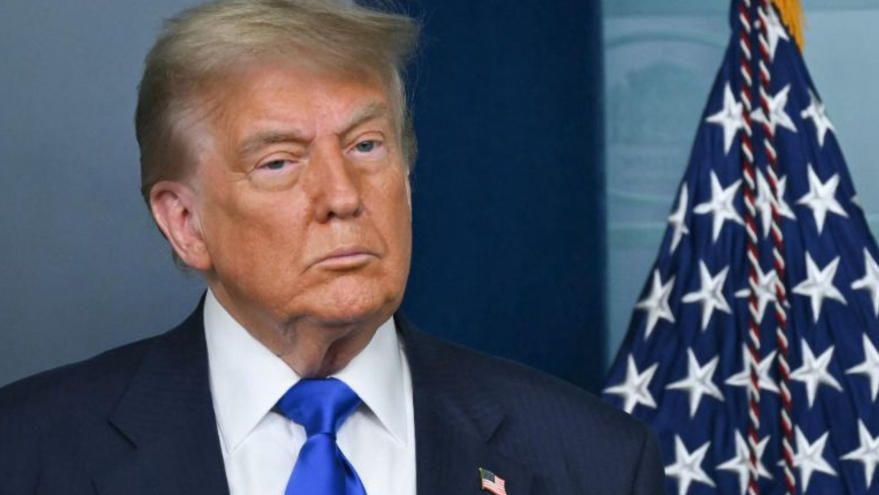

US President Donald Trump revealed on Tuesday that his country has finalized a new trade deal with Indonesia. Under this agreement, America will now impose a 19% tariff on goods imported from Indonesia. Trump also hinted that similar agreements are being worked out with other nations, as he continues to push for fairer trade deals aimed at reducing the US's large trade deficit.
US Sets Deadline for New Tariffs
The announcement came as the Trump administration works toward an August 1 deadline. After that date, most imports coming into the US could face higher tariffs unless agreements are reached. So far, the administration has signed a few deals, including the recent one with Indonesia. While Indonesia is not a major US trading partner, the country’s trade with America is growing.
At the same time, the European Union – America’s biggest trade partner – is preparing its own counter-tariffs in case negotiations with Washington fail.
Details of the Indonesia Deal
Trump shared only basic information about the agreement with Indonesia. He said, “They are going to pay 19% and we are going to pay nothing… we will have full access into Indonesia, and we have a couple of those deals that are going to be announced.”
US Commerce Secretary Howard Lutnick, who is leading the trade talks, explained further. He told CNBC that the deal will follow the same model as the US agreement with Vietnam. According to Lutnick, “No tariffs there. They pay tariffs here, switching the asymmetry our way. Let’s bring industry back, and that’s going to unleash our farmers, our ranchers, our fishermen and our industries.”
Indonesia’s Trade with US
In 2024, Indonesia’s trade with the US is expected to be just under $40 billion. This makes it a relatively minor partner compared to other countries. However, trade is growing. Last year, US exports to Indonesia rose by 3.7%, while imports from Indonesia climbed by 4.8%. This left America with a trade deficit of about $18 billion in goods.
Indonesia mainly exports palm oil, electronics, footwear, tires, natural rubber, and frozen shrimp to the US, based on data from the US Census Bureau and the International Trade Centre. According to the World Trade Organization, Indonesia’s average tariff rate is 37.1%. But when considering the tariffs actually applied, the rate is lower, around 5.7% in 2024.
Susiwijono Moegiarso, a top official from Indonesia’s Coordinating Ministry for Economic Affairs, told Reuters, “We are preparing a joint statement between US and Indonesia that will explain the size of reciprocal tariff for Indonesia including the tariff deal, non-tariff and commercial arrangements. We will inform (the public) soon.”
Threats of Higher Tariffs
Earlier, Trump had warned Indonesia about a possible 32% tariff starting August 1. He had sent a letter to Indonesia’s president last week mentioning this threat. Similar letters were sent to around 24 other countries like Canada, Japan, and Brazil, with potential tariffs ranging between 20% and 50%. In one case, Trump threatened a 50% tariff specifically on copper.
The August 1 deadline gives these countries a short window to make deals with the US and avoid heavy tariffs. Many experts believe Trump’s threats might be a tactic, as he often backs down from such measures.
Few Deals Finalized So Far
Although Trump’s administration had promised “90 deals in 90 days,” only a few have been completed. Agreements with the United Kingdom and Vietnam have been signed, while a partial deal with China has helped delay some of the heaviest US tariffs. Trump also said discussions with India are progressing.
“India basically is working along that same line. We’re going to have access to India. And you have to understand, we had no access into any of these countries. Our people couldn’t go in. And now we’re getting access because of what we’re doing with the tariffs,” Trump said.
European Union Prepares for Trade Fight
The US deal with Indonesia comes as the European Union prepares its own response. The European Commission, which manages trade for EU nations, is planning possible tariffs on $84.1 billion worth of US products, such as Boeing planes, bourbon, and cars. This step will be taken if EU-US trade talks fail.
Trump has threatened to place a 30% tariff on EU imports starting August 1, a move EU officials describe as unacceptable. They say this would seriously damage trade between the two big markets.
According to a document seen by Reuters, the EU plans to target US products like chemicals, medical equipment, electronics, agricultural products, fruits, wine, beer, and spirits, valued at 6.35 billion euros.
After a meeting in Brussels, EU officials said they were still hopeful of reaching a deal. However, EU trade chief Maros Sefcovic made it clear that member countries are united and ready to defend their businesses using counter-tariffs if necessary.