
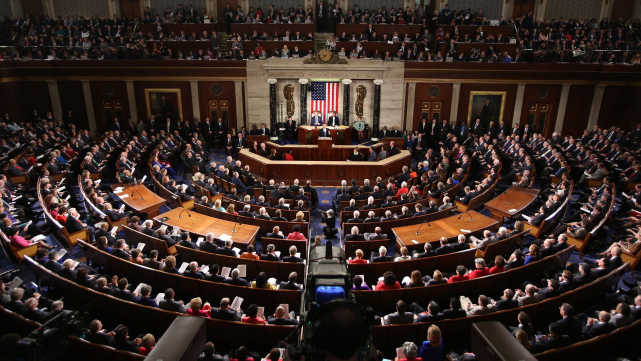

The US House of Representatives approved three important cryptocurrency bills on Thursday, marking a major shift in Washington’s stance towards the digital asset industry. These new laws fulfill promises made by the Trump administration to support crypto businesses, after years of seeing them as risky.
CLARITY Act Aims to Simplify Crypto Regulations
Lawmakers easily passed the CLARITY Act. This bill focuses on creating clear rules for cryptocurrencies and digital assets. It also plans to divide oversight between two regulators — the Securities and Exchange Commission (SEC) and the Commodity Futures Trading Commission (CFTC). Now, the CLARITY Act will move to the Senate for approval, where Republicans have a slight majority.
GENIUS Act Supports Stablecoins, Awaits Trump’s Signature
The House also passed the GENIUS Act without much opposition. This bill allows the official use of stablecoins — digital currencies linked to steady assets like the US dollar or government bonds. Since the Senate had already passed the bill last month, it now heads directly to President Trump for his signature to become law.
Under the GENIUS Act, companies issuing stablecoins must keep reserve assets that fully match the value of the digital currency they issue. “This historic legislation will bring our payment system into the 21st century. It will ensure the dominance of the US dollar. It will increase demand for US Treasuries,” said Senator Bill Hagerty, who introduced the bill.
Shift in Attitude Follows Trump’s Crypto Embrace
For many years, US officials viewed the crypto industry with suspicion. However, after receiving millions in donations from crypto investors during his last election campaign, Trump changed his opinion. He now openly supports the sector. Trump even launched a meme coin in his name and hosted a special dinner for top investors after returning to the White House.
According to reports from the Financial Times, Trump now plans to allow America’s $9 trillion retirement fund market to invest in cryptocurrencies, gold, and private equity.
Bipartisan Support Grows for Crypto Laws
Interestingly, both the CLARITY Act and the GENIUS Act received support from both Republican and Democrat lawmakers. This shift is linked to rising donations and lobbying by crypto companies across both parties.
“It’s critically important we bring more certainty to the marketplace with clear rules of the road,” said Democratic congressman Josh Gottheimer, who voted for the bills.
Since returning to office, Trump has taken more steps to back the crypto sector. He appointed crypto supporter Paul Atkins to lead the SEC and created a “Strategic Bitcoin Reserve” to track and manage government-held bitcoin, which comes mainly from legal seizures. Forbes estimated that Trump’s involvement in crypto doubled his wealth to $5.3 billion within a year.
House Also Blocks Central Bank Digital Currency Plan
Besides the two pro-crypto bills, the Republican-led House passed the Anti-CBDC Surveillance State Act. This bill aims to stop the US Federal Reserve from creating a central bank digital currency (CBDC), also known as a digital dollar. Republicans believe such a currency could allow the government to watch and control people’s private financial transactions, reducing privacy.
However, this bill faces an uncertain future in the Senate. Earlier disagreements over the Anti-CBDC bill had slowed down the progress of the other two bills, until last-minute lobbying by Trump cleared the way.