
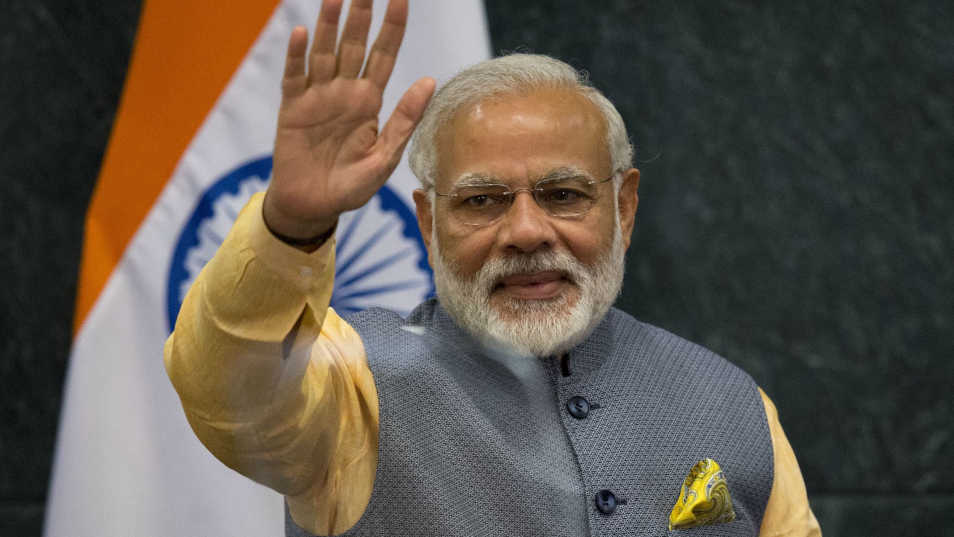

India’s cabinet approved the free trade agreement (FTA) with the United Kingdom on Tuesday. According to sources, the signing will take place in London on July 24 during Prime Minister Narendra Modi’s visit.
Modi’s Visit to the UK and Maldives
To begin with, Prime Minister Modi will travel to the UK and the Maldives on a four-day official trip starting Wednesday. Alongside him, Commerce and Industry Minister Piyush Goyal will also be present.
Deal Finalised After Long Negotiations
Earlier this year, on May 6, India and the UK concluded talks on the FTA. The final agreement, called the Comprehensive Economic and Trade Agreement, will be signed by the commerce ministers of both nations.
Key Benefits of the Trade Pact
Importantly, the agreement aims to boost trade and investment between the two countries. It removes taxes on Indian exports such as leather, footwear, and garments. Meanwhile, it also lowers duties on British imports like whisky and cars.
As a result, both countries aim to double their bilateral trade to USD 120 billion by 2030.
In addition, the agreement includes chapters on:
-
Trade in goods and services
-
Innovation
-
Government procurement
-
Intellectual property rights
Once signed, the agreement will still need approval from the British Parliament before it comes into effect.
Social Security Pact Concluded
Alongside the FTA, both countries also wrapped up talks on the Double Contribution Convention Agreement. This social security pact will protect Indian professionals working briefly in the UK from paying into both countries’ social systems.
However, discussions on a Bilateral Investment Treaty (BIT) are still ongoing.
Trade Numbers Show Positive Trend
According to trade data, India’s exports to the UK increased by 12.6% in 2024–25, reaching USD 14.5 billion. In contrast, imports rose by only 2.3% to USD 8.6 billion.
Furthermore, overall bilateral trade grew to USD 21.34 billion in 2023–24, up from USD 20.36 billion the previous year.
What the FTA Means
In short, a free trade agreement removes or reduces customs duties on goods. It also simplifies rules for trading services and encourages investments.
Therefore, this deal is expected to help Indian businesses expand in the UK and attract British companies to invest more in India.