
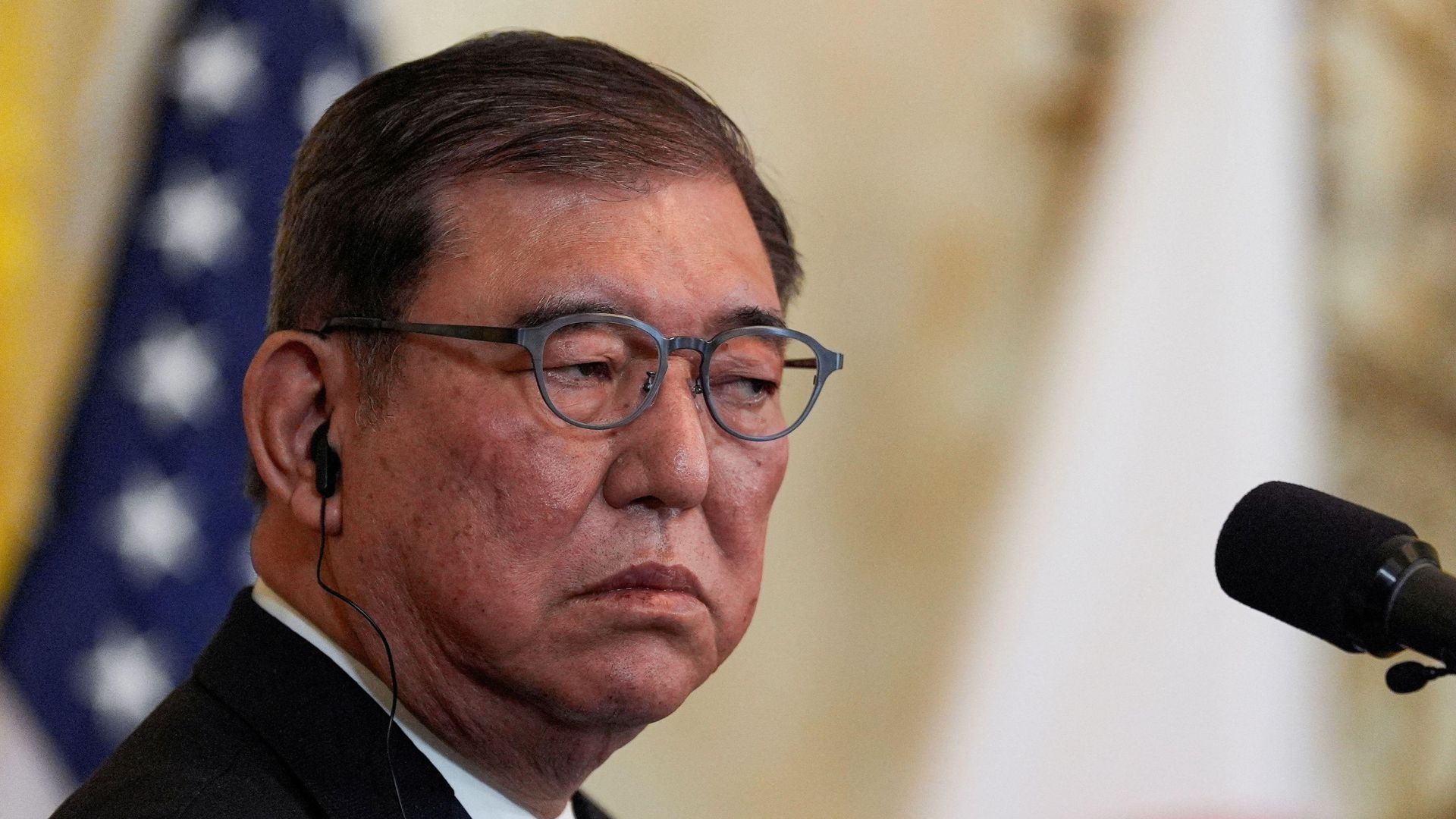

Japanese Prime Minister Shigeru Ishiba has decided to resign following a poor performance in the recent upper house elections. He announced his decision on Wednesday, just hours after Japan reached a trade deal with the United States. The agreement reduced a planned 25% tariff to 15%, avoiding a steep hike ahead of the August 1 deadline.
Ishiba, who is 68 years old, leads the Liberal Democratic Party (LDP), Japan’s ruling political force for decades. However, the party faced a crushing blow in last year's general elections. Despite that, Ishiba took over as party leader in September and called early elections in October. Since then, his coalition has held only a minority in Parliament.
Sunday’s Vote and Its Aftermath
The upper house election held last Sunday worsened Ishiba's troubles. His center-right LDP and its junior ally Komeito fell three seats short of keeping their majority. Many voters, frustrated by rising inflation, shifted support to smaller parties. A new party, Sanseito, gained traction with its “Japanese First” and anti-globalist message, which mirrors populist trends in other countries.
Resignation Timeline Unclear
While Ishiba has confirmed he will step down, the exact timing remains uncertain. The Mainichi newspaper reported that he plans to resign by the end of August. On the other hand, Yomiuri said he would announce his resignation within July, though it did not specify when he would officially leave office.
Ishiba finally won the party leadership on his fifth attempt and became Japan’s 10th LDP prime minister since the year 2000. However, since the snap election in October, his government has had to rely on opposition parties to pass key laws.
Dwindling Public Support
Public dissatisfaction has played a major role in Ishiba's fall. A recent poll by NHK, Japan’s public broadcaster, showed support for his cabinet dropping sharply. Approval ratings fell to 31%, down from 34% the previous week and 39% in early June.
To counter public anger over soaring prices, Ishiba suggested one-time cash handouts. However, most opposition parties campaigned on reducing or removing the sales tax instead. The NHK poll found that 52% of people preferred a sales tax cut or removal over cash handouts, while only 17% supported the handout idea.