
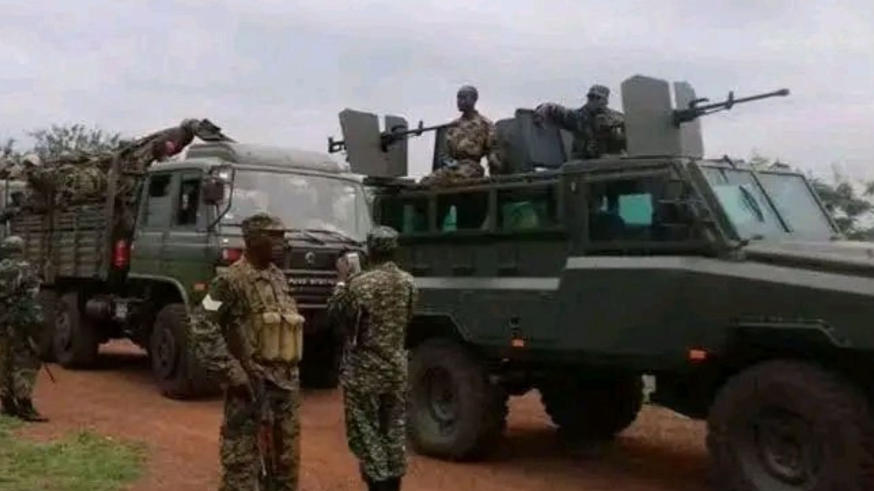

At least six people died in a deadly clash on Monday between the armies of South Sudan and Uganda. The fighting happened near their shared, disputed border — a region often hit by tension and unclear boundary lines.
Firefight Claims Lives on Both Sides
South Sudanese officials reported that five soldiers from their national army, the South Sudan People’s Defence Forces (SSPDF), lost their lives in the incident. The shootout occurred in Kajo Keji County, which lies close to the Ugandan border.
Meanwhile, Uganda confirmed that one of its soldiers also died. According to Ugandan army spokesperson Felix Kulayigye, the South Sudanese troops had crossed into Uganda’s West Nile region. When asked to leave, they reportedly refused, triggering a gun battle.
Historical Ties Under Strain
This clash came as a surprise given the long-standing alliance between the two countries. Uganda has supported South Sudan for many years — during its fight for independence from Sudan and later during the country’s civil war. Uganda had sided with forces loyal to South Sudanese President Salva Kiir in both conflicts.
However, Monday’s firefight signals growing unease over unresolved border issues.
South Sudan Blames Uganda for Surprise Attack
According to a statement released by Kajo Keji County officials, the Ugandan army used heavy weapons, including tanks and artillery, to launch a sudden attack. They claimed the assault was unprovoked and led to the deaths of five SSPDF personnel.
Although South Sudan’s military later confirmed that the skirmish had taken place, they did not officially reveal the number of soldiers killed.
Joint Committee to Resolve Border Disputes
To prevent future violence, officials from both sides are now turning to diplomacy. SSPDF spokesperson Lul Ruai Koang said on Tuesday that a joint border committee would work to find a “peaceful resolution to recurrent border-related disputes.”
Such efforts come at a time of rising internal challenges in South Sudan.
Uganda Recently Invited Into South Sudan’s Capital
Earlier in March, South Sudan invited Ugandan troops into its capital, Juba, to strengthen local security. This move followed worsening relations between President Kiir and First Vice President Riek Machar. Their political rivalry has long been a source of instability in the country.