
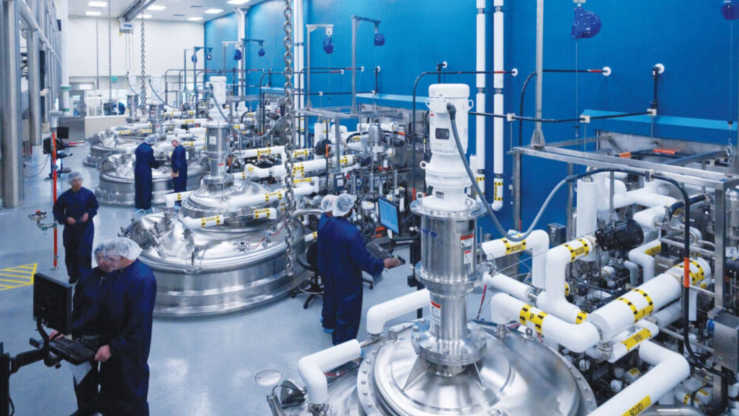

The government is preparing to launch 16 biomanufacturing hubs across the country. These hubs will produce essential drug ingredients, enzymes for biofuels, and reagents for biofertilizers, The Indian Express reported.
Moreover, officials confirmed that about 1,000 products have already been identified for local manufacturing. The government will release the full list soon.
Push for self-reliance after Covid
This plan builds on India’s self-reliance drive that gained momentum during the Covid-19 pandemic. At that time, the government introduced performance-linked incentives for pharmaceutical companies.
Since then, India has increased production of several medicines. However, fermentation-based products still remain a major challenge.
Fermenters to drive production
To fill this gap, the new hubs will include large fermenters with a capacity of 500 to 1,000 litres. As a result, the hubs will support the production of both medicines and biofuels.
“Creating these hubs helps pool the resources; meaning start-ups and small companies do not have to make big capital investments initially,” said a department official, requesting anonymity.
Focus on innovation
In addition, the hubs will also help scale up advanced technologies. These include monoclonal antibody therapies, carbon capture solutions, and smart proteins for nutrition. Consequently, these innovations can move from lab testing to market-ready products.
Biofoundries as support centres
The Department of Biotechnology has already set up six biofoundries that act as testing platforms. Furthermore, these centres will connect with the new hubs to strengthen India’s biomanufacturing ecosystem.
-
NABI, Mohali – sustainable food and nutrition
-
Tata Memorial Centre, Mumbai – new drugs
-
ICGEB, New Delhi – synthetic biology
-
THSTI, Faridabad – monoclonal antibody therapies
-
IPFT, Gurugram – biopesticides
-
NCCS, Pune – enzymes and metabolites