
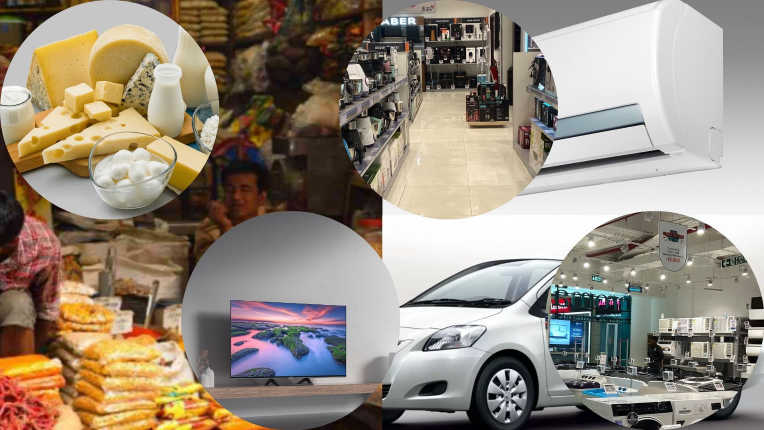

India’s Goods and Services Tax (GST) reforms came into effect on September 22, 2025. The government merged four tax slabs into two main rates — 5% and 18% — along with a special 40% slab for “sin goods” such as tobacco and alcohol. Finance Minister Nirmala Sitharaman, leading the GST Council, said the overhaul aims to simplify taxation, boost consumption, and rationalize rates.
Consumers can now expect lower prices on essential items, as several companies across sectors from FMCG to automobiles announced they would pass on the benefits of reduced GST.
Everyday Essentials Get Cheaper
Many household products previously taxed at 12% have moved to the 5% slab. This includes:
-
Toothpaste, soaps, and shampoos
-
Packaged foods such as biscuits, snacks, and juices
-
Dairy items like ghee and condensed milk
-
Bicycles and stationery
-
Apparel and footwear below a set price point
For middle-class families, even small reductions on daily-use items can translate into significant monthly savings.
Appliances and Electronics Become More Affordable
Items that were taxed at 28% have now moved to 18%, making them cheaper by up to 7–8%. These include:
-
Air conditioners
-
Refrigerators and dishwashers
-
Large-screen televisions
-
Cement for construction and housing
This change is expected to benefit India’s growing middle class, making home appliances and electronics more accessible.
Auto Sector Benefits From Lower GST
The automobile industry will also see relief.
-
Small cars with engines under 1,200cc could see GST cut from 28% to 18%
-
Two-wheelers may move to a lower slab
-
Luxury cars and SUVs will continue at higher rates
Lower taxes on small vehicles could boost demand in a sector that has experienced fluctuating sales. Major manufacturers like Maruti Suzuki, Hyundai, and Tata Motors may benefit from increased consumer interest.
Insurance and Financial Services Could Cost Less
Insurance premiums currently attract 18% GST. The new reforms may move some premiums to a lower slab or exempt them entirely.
This change can increase insurance coverage among middle-income households, improving financial security and reducing vulnerability to medical or life-related risks.
Items That Remain Expensive
Not all goods become cheaper under GST 2.0. Certain products remain in the 40% “sin tax” category:
-
Tobacco, alcohol, and pan masala
-
Online betting and gaming platforms
-
Luxury items like diamonds and precious stones
Petroleum products are still outside GST, so fuel prices will remain unchanged.
Why GST Reforms Matter for the Economy
Boosting Consumption: Cheaper essentials, electronics, and vehicles will likely encourage more household spending, especially ahead of the festive season.
Positive Market Reaction: Stock markets responded immediately. The Nifty 50 surged over 1% after the announcement, with auto and FMCG stocks leading the gains.
Growth Outlook: Economists estimate the new GST structure could add 0.7–0.8 percentage points to India’s GDP growth by boosting demand and easing compliance.
Impact on Consumers:
-
Cheaper shopping baskets: Soaps, snacks, and packaged food cost less.
-
Big-ticket savings: Cars, TVs, and ACs become more affordable.
-
Financial relief: Lower insurance premiums ease household budgets.
Impact on Businesses: The simpler tax structure reduces compliance burdens, especially for small and medium enterprises, making operations smoother.