
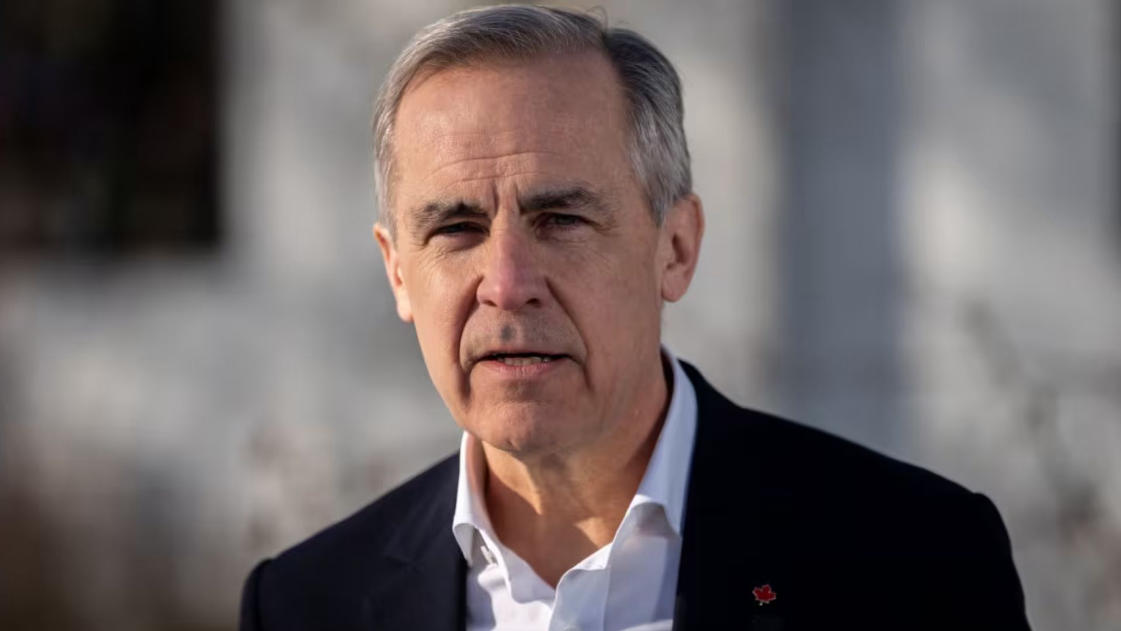

Prime Minister Mark Carney revealed his first “investment budget” to reshape Canada’s economy. The plan focuses on growth, jobs, and resilience amid challenges from US trade actions.
Finance Minister François-Philippe Champagne presented the budget in Parliament. He said, “To weather the storm of uncertainty, we will not lower our sails. We will raise them – to catch the winds of economic change.”
Massive Investments and Major Cuts
The government will invest $280 billion over the next five years in infrastructure, defence, housing, and productivity. About $40 billion will be spent before March 2026.
At the same time, Ottawa will cut $51.2 billion through savings and job reductions. It plans to trim 40,000 public-sector positions by offering buyouts and using natural attrition.
The government expects a $78 billion deficit this fiscal year — smaller than experts predicted. The deficit-to-GDP ratio will rise to 2.5% by 2026 and drop to 1.5% within five years.
Infrastructure and Defence at the Core
The budget allocates $51 billion for major infrastructure projects. These include high-speed rail lines, ports, and carbon capture facilities to create jobs and drive development.
In defence, Ottawa will spend $81 billion to modernize the Canadian Armed Forces. It will also adopt a “Buy Canadian” procurement policy to support local industries.
Savings Through Spending Review
The government aims to save $60 billion through a review launched in July. It will improve tax collection, cut foreign aid, and restructure several programs.
Ottawa will scale back the two-billion-tree program and reduce spending on medical cannabis for veterans. It will also adjust public sector pensions, sell or merge diplomatic properties, and reduce foreign aid to pre-pandemic levels.
Sharp Policy Changes
Immigration levels will be reduced sharply. The number of temporary residents, including foreign workers and international students, will fall by nearly 50%.
The government may drop its emissions cap plan, signaling a shift in climate policy. It will also cut the public service workforce from 368,000 to 330,000 by 2028–29 through buyouts and attrition.
Balancing Growth and Restraint
Carney’s first budget mixes bold spending with tight control. It aims to grow the economy while cutting government costs. The plan shows Ottawa’s intent to adapt to global trade uncertainty and strengthen Canada’s future.