
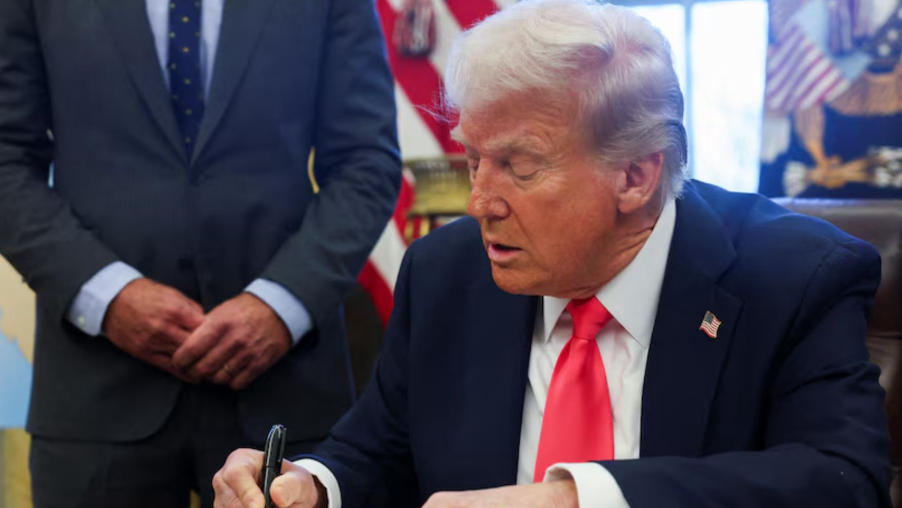

US President Donald Trump signed an executive order that removes tariffs on several everyday food products. It shows a significant turn in Trump's tariff policy. These items include coffee, bananas, and beef. He had imposed these sweeping tariffs earlier this year. However, his administration now faces strong pressure as food prices rise across the country.
Trump earlier dismissed what many people called an “affordability crisis”. But he began paying attention after the Republican Party suffered losses in several state elections last week. Soon after, the White House released a long list of products that will no longer face tariffs. The list includes avocados, tomatoes, coconuts, and mangoes.
According to the announcement, the administration exempted these goods because the United States cannot produce them in large enough quantities. Trump has often insisted that his tariffs would not sharply increase costs for American consumers. He also claimed the affordability crisis was a “new word” and a “con job” created by Democrats.
Why This Reversal Is Important
The new exemptions show that the Trump administration now wants to bring down prices by reducing taxes on essential food items. Since the tariffs were introduced, economists have repeatedly warned that companies would shift the extra costs onto shoppers. This shift would lead to higher prices in stores.
Inflation in the US stayed lower than many analysts expected in September. Even so, most categories tracked by the Department of Labour showed price increases. Grocery prices alone rose 2.7 percent compared to last year.
The White House said the tariff relief will apply retroactively from midnight on Thursday, 13 November. In another step to ease concerns about expensive groceries, the administration also announced reduced import taxes on coffee and bananas. These reductions are part of new trade agreements with four Latin American countries.
Push to Reduce Coffee Prices
This update arrived soon after both Trump and Treasury Secretary Scott Bessent promised to bring down coffee prices. Coffee costs in the US have surged nearly 20 percent this year. The tariff changes signal that the White House is now focused on easing this pressure on consumers.