
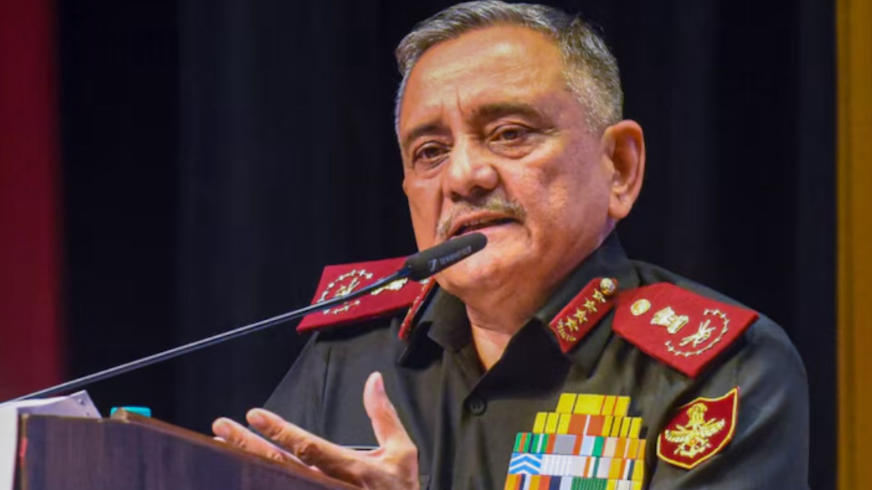

India’s Operation Sindoor forced Pakistan to quickly change its Constitution. It also reshaped the country’s top military leadership. CDS General Anil Chauhan said the operation worked against Islamabad on Friday.
Background: What Was Operation Sindoor
Operation Sindoor began on May 7, 2025. India targeted terror camps in Pakistan and Pakistan-occupied Kashmir (PoK). The strikes were a retaliation for the April 22 Pahalgam attack that killed 26 civilians. The operation included both drone and missile attacks.
Pakistan Amends Constitution After Strikes
After the attacks, Pakistan acted quickly. It amended Article 243 of its Constitution, which defines the relationship between civilian authorities and the military.
As Gen Chauhan explained at the Pune Public Policy Festival 2026 at GIPE, these changes revealed major weaknesses in Pakistan’s defence system.
Key reforms included:
-
Abolishing the post of Chairman of the Joint Chiefs of Staff Committee. It was replaced with a Chief of Defence Forces (CDF).
-
Creating a National Strategy Command and an Army Rocket Forces Command.
-
Giving Field Marshal Asim Munir, army chief since November 2022, control over the army, navy, and air force. He also received lifetime immunity from arrest and prosecution. Critics warned this could push Pakistan toward autocracy.
Centralization of Military Power
These reforms concentrated power in a single individual. Gen Chauhan said, “Today, the Army Chief will be responsible for land operations, joint operations with the Navy and Air Force through the CDF, as well as strategic and nuclear matters. The creation of the Rocket Forces Command adds another important layer. This, in some ways, reflects a land-centric mindset.”
Ceasefire After Four Days of Strikes
After four days of attacks, India and Pakistan reached an understanding on May 10, 2025, to halt hostilities.
Operation Sindoor showcased India’s strategic strength. At the same time, it revealed gaps in Pakistan’s defence system. These weaknesses prompted constitutional reforms and military restructuring. Ultimately, Pakistan centralized power and reshaped its strategic posture in response.