
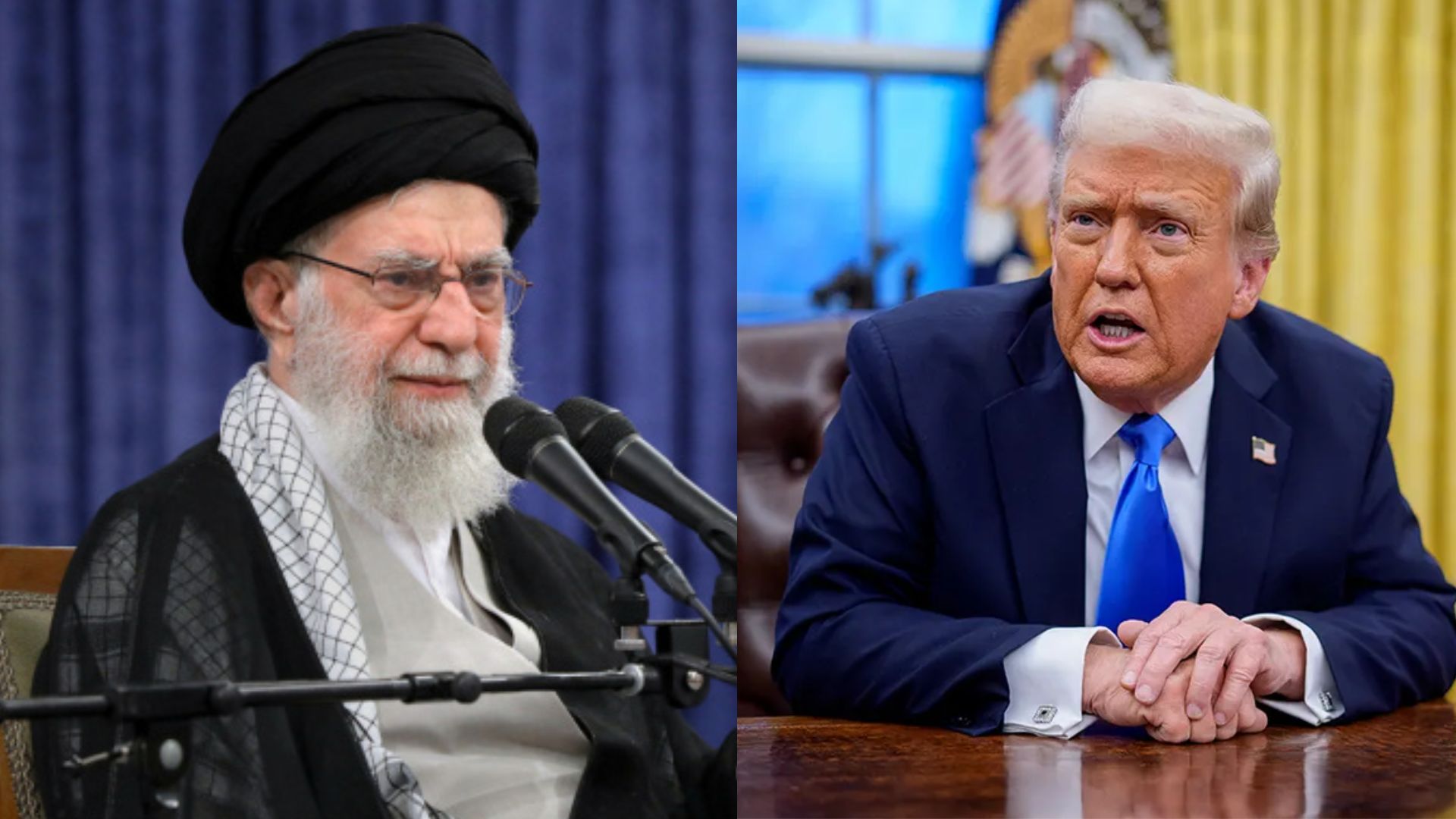

Iran has drawn a clear line in its nuclear negotiations with the United States, saying it will not send its enriched uranium abroad but is willing to lower its purity under UN monitoring to ease tensions.
Iran Refuses to Export Uranium Stockpile
Iran is currently engaged in sensitive nuclear talks with the United States. During these discussions, Tehran has rejected any plan to export its 300 kg stockpile of highly enriched uranium. However, it has offered a compromise.
Iran is ready to reduce the enrichment level of this uranium under strict supervision by the International Atomic Energy Agency. Officials believe this step could reduce tensions and create space for a diplomatic breakthrough.
At present, Iran holds uranium enriched to 60 percent purity. This level is close to weapons-grade material, according to Iranian sources familiar with the negotiations.
Dilution Instead of Removal
Although Iran refuses to ship the uranium out of the country, it has proposed to down-blend the material to 20 percent purity or lower. The process would take place under close monitoring by the IAEA to ensure transparency and compliance.
Iranian Foreign Minister Abbas Araghchi stated that Washington has not demanded a permanent halt to enrichment activities inside Iran. He said, “Washington has not asked Tehran to permanently suspend uranium enrichment.” He also added, “It is not true that the United States has called for a complete cessation of enrichment.”
Meanwhile, some ideas have been discussed informally. These include sending enriched uranium to Russia or placing Iran’s enrichment work under an international consortium. However, Iranian officials say such proposals have not been formally presented. They maintain that all nuclear material must remain within Iranian territory.
Pressure from Washington
The talks are taking place under strong pressure from US President Donald Trump. He is weighing whether to order military action against Iran as tensions over its nuclear programme continue.
Publicly, US officials have adopted a tougher position. The American ambassador to the United Nations, Mike Waltz, said the US objective remains “zero enrichment.” This demand appears stricter than what Iranian officials say has been discussed privately.
Delicate Diplomacy in Geneva and Oman
Negotiations between the two sides are continuing indirectly in Geneva and Oman. So far, both parties have agreed on certain “guiding principles.” However, they have not reached a comprehensive agreement.
Experts note that the success of Iran’s dilution proposal may depend on how much trust the international community places in IAEA oversight. If the monitoring is seen as credible and effective, it could help secure a diplomatic solution. If not, tensions could rise further.
Overall, both Iran and the United States remain locked in a careful balancing act. The future of Tehran’s nuclear programme, and its impact on regional security, now depends on whether these talks can move from basic principles to a binding agreement.