

The Karnataka government has announced a ban on social media use by children below the age of 16. The decision marks a major step in India’s efforts to regulate digital platforms for young users.
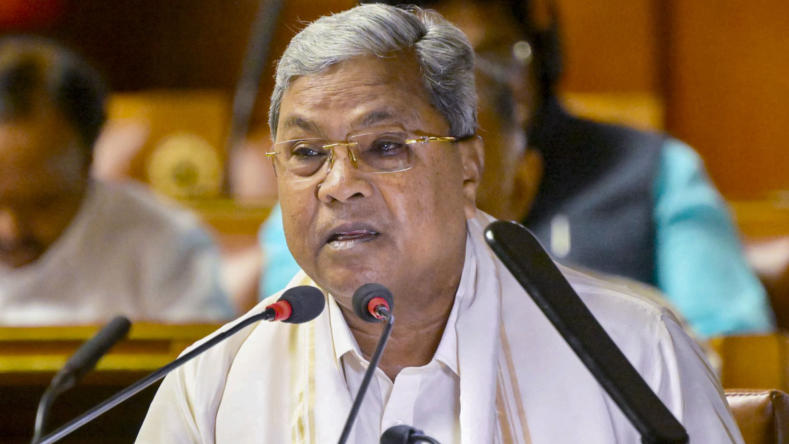
The announcement was made by Chief Minister Siddaramaiah during his state budget speech on Friday. The move aims to reduce the growing influence of smartphones and social media on children.
With this decision, Karnataka becomes the first state in India to introduce such a restriction on social media access for minors.
Government Cites Concerns Over Mobile Usage
While presenting the budget, Siddaramaiah explained the purpose of the new policy. The government believes excessive smartphone use is affecting children in several ways.
“With the objective of preventing adverse effects of increasing mobile usage on children, usage of social media will be banned for children under the age of 16,” Siddaramaiah said during the address.
The state administration hopes the rule will help reduce the negative impact of digital platforms on young people.
Proposal Discussed Earlier with Universities
Karnataka had been evaluating the idea for several weeks before making the final decision.
Last month, the Chief Minister raised the issue during a meeting with vice chancellors of government universities. During that discussion, he asked education leaders to share their views on whether restricting social media access for minors would be practical and what consequences such a move could have.
The consultations helped the state government examine both the advantages and challenges of implementing such a ban.
Rising Concerns About Social Media Impact
Authorities have increasingly expressed concern about how social media affects children and teenagers.
Experts warn that excessive screen time and constant engagement with digital platforms can harm students’ academic performance. It can also influence behaviour and contribute to mental health problems.
Officials also point out that unrestricted internet access may expose young users to harmful material online. In some cases, children may encounter networks linked to substance abuse or other dangerous activities.
Because of these risks, policymakers believe stronger safeguards are necessary.
Part of a Growing Global Trend
Karnataka’s decision reflects a wider international movement toward regulating social media for younger users.
Many governments around the world are debating stricter rules to protect children online. Age-based restrictions on digital platforms are becoming an important topic in technology policy.
For example, Australia has already introduced regulations that prevent users under 16 from accessing popular platforms such as Instagram, TikTok, Snapchat, YouTube and X.
These measures are part of broader global efforts to create safer online environments for children.
Similar Debate Emerging in Other Indian States
Within India, other states are also considering similar steps.
The government of Andhra Pradesh has been discussing the possibility of banning social media for children. However, authorities there have not yet made a final decision.
The discussions indicate that concerns about children’s digital safety are growing across the country.
Centre Discussing Age-Based Regulations
India’s central government is also exploring ways to introduce stronger digital safeguards.
Speaking at the AI Impact Summit 2026, Union IT Minister Ashwini Vaishnaw said many countries now agree on the need for age-based rules for social media platforms.
“This is something which has now been accepted by many countries that age-based regulation has to be there," Vaishnaw said.
He added that the government is currently discussing the issue with social media companies.
“Right now we are in a conversation regarding deepfakes, regarding age-based restrictions with the various social media platforms and… what is the right way to go about this,” he added.
Stronger Oversight of AI and Online Content
The discussions come at a time when India is increasing its monitoring of artificial intelligence tools and online misinformation.
Recently, authorities tightened regulations following controversies involving Grok, a chatbot developed by xAI. Social media platforms are now required to clearly label AI-generated content and respond to takedown requests within three hours.
The government believes these steps are necessary to limit the spread of misleading or harmful content.
Need for Stronger Action Against Deepfakes
Officials also highlighted the growing problem of manipulated media online.
Vaishnaw warned that deepfake technology is becoming more widespread and could pose serious risks to society.
“We need much stronger regulation on deepfakes. It’s a problem which is growing day by day. And certainly there is a need for protecting our children, protecting our society from these harms.”
The push for stricter rules shows that India is increasingly focusing on digital safety, particularly when it comes to protecting children from the risks of the online world.