
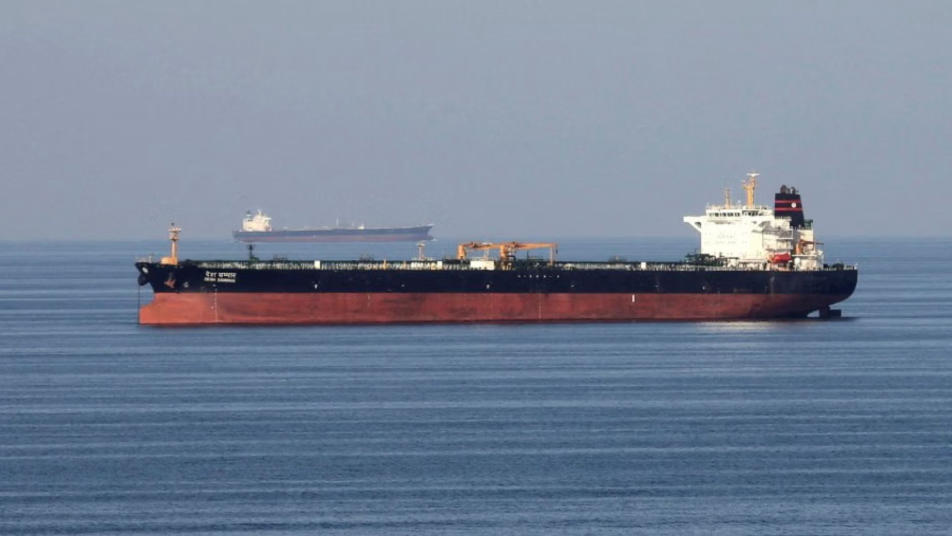

Iran has started laying naval mines in the Strait of Hormuz, one of the world’s most important oil transit routes. A report by CNN, citing two sources familiar with US intelligence assessments, said the activity has been detected in recent days.
However, the current deployment appears to be limited. According to the sources, Iranian forces have placed only a few dozen mines in the waterway so far. Even though the number is small, the move has raised concerns because of the strategic importance of the strait.
The Strait of Hormuz is a narrow but critical shipping route. Around one-fifth of the world’s crude oil supply passes through this waterway every day. Any disruption there could affect global energy markets and international trade.
Iran Still Holds Large Mine-Laying Capability
Despite the small number of mines placed so far, intelligence sources said Iran still has significant capability to escalate the situation.
Iran reportedly retains around 80% to 90% of its fleet of small boats and vessels designed to lay mines. This means the country could quickly deploy hundreds of mines in the strait if tensions increase.
Such an expansion would pose a serious threat to commercial shipping and oil tankers moving through the region.
Revolutionary Guard Controls Key Operations
The report said the Islamic Revolutionary Guard Corps (IRGC) now effectively controls the strait along with Iran’s regular navy. The IRGC has developed strategies to disrupt maritime traffic in the area.
According to the CNN report, the force can create what military planners describe as a “gauntlet” in the strait. This strategy would involve spreading multiple mine-laying boats across the waterway while also deploying explosive-laden vessels.
At the same time, shore-based missile batteries positioned along the Iranian coastline could target ships passing through the strait.
Strategic Importance of the Strait
The Strait of Hormuz connects the Persian Gulf with the Gulf of Oman and the Arabian Sea. It is one of the world’s most sensitive maritime chokepoints.
Because such a large share of global oil exports moves through this route, even small disruptions could lead to higher energy prices and concerns about global supply stability.
For now, the mining activity remains limited. But intelligence officials believe Iran still has the capacity to significantly expand operations in the strait if the regional situation worsens.