
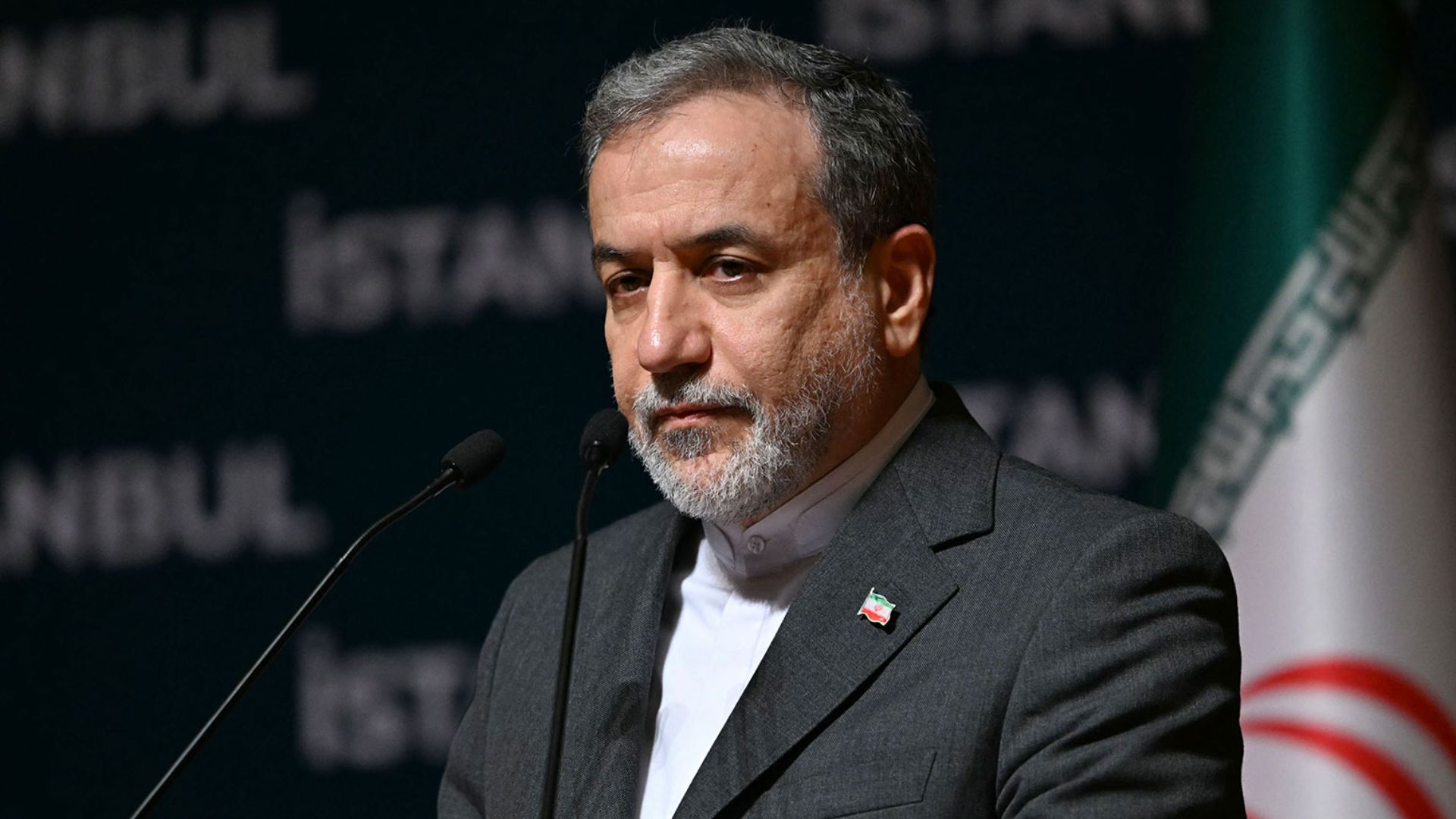

Abbas Araghchi said on Thursday that the United States shows a “double standard” by backing Israel’s Gaza blockade under “security” claims while criticising Iran for defending itself in the Strait of Hormuz. He said Washington supports Israel despite its actions but condemns Iran’s response to what it calls aggression. He stressed that such an approach weakens global norms, adding that international law “is not tool of convenience.
— Seyed Abbas Araghchi (@araghchi) March 26, 2026Abbas Araghchi said on Wednesday that Iran is focusing on “targeting American interests in the region” as tensions rise in West Asia. While speaking to state television, he outlined Iran’s strategy in the ongoing conflict.
He warned that any country aligned with the United States could also face action. “Wherever we find American interests, we will target them, and any country that shares in these interests will be considered a legitimate target by us,” he said.
Iran Wants War to End on Its Own Terms
Araghchi said Iran aims to end the conflict with the United States and Israel, but only under its own conditions. He stressed the need for guarantees from the “aggressors” to prevent future attacks. “We seek an end to the war on our own terms, of course, and in a way that it will not be repeated here again,” he said.
Tehran Rejects Talks, Vows Continued Resistance
Despite claims from the White House that discussions are ongoing, Iran has refused to negotiate. Araghchi made it clear that Tehran will continue its current approach. “At present, our policy is the continuation of resistance,” he said.
“We do not intend to negotiate – so far, no negotiations have taken place, and I believe our position is completely principled.” He added, “Speaking of negotiations now is an admission of defeat.”
US Pushes for Talks, Issues Warning
Meanwhile, Washington has increased pressure on Tehran. White House press secretary Karoline Leavitt warned that the US could escalate its response if Iran refuses to engage. “Talks continue. They are productive,” she said, while earlier warning of severe consequences if Iran does not agree to a deal.
Backchannel Messages Continue
Although Iran denies formal talks, Araghchi admitted that messages are still being exchanged through intermediaries. These include “friendly countries” and other channels. However, he insisted that such exchanges do not qualify as negotiations. He said proposals received through these channels have been shared with senior Iranian leaders. “These were presented in the form of various ideas, all of which have been conveyed to the senior officials of the country, and if a position must be taken, it will certainly be decided.”
Pakistan’s Role in Proposal
Officials in Pakistan earlier said they passed on a 15-point US proposal to Iran to help stop the fighting that began on February 28.
Leavitt acknowledged that there were “elements of truth” in these reports, indicating ongoing diplomatic efforts behind the scenes.
Iran Signals Confidence and Self-Protection
Araghchi said Iran has strengthened its position during the conflict. He suggested that the country has created its own deterrence.
“In this war, we showed the world that no one can provoke the Islamic Republic, and in fact, we created a security shield for ourselves so that the whole world understood that provoking the Islamic Republic and playing with our interests carries heavy consequences,” he said.
Iran Rejects US Ceasefire Proposal
Reports said Iran rejected a US-backed ceasefire proposal delivered through intermediaries. According to Iranian officials, Tehran will end the war only when its own conditions are met. An unnamed official said Iran would “end the war when it decides to do so and when its own conditions are met”, and will continue fighting until then.
Iran’s Counter Plan and Key Demands
Iran has reportedly proposed its own five-point plan. This includes ending hostilities, stopping the assassination of its officials, and securing guarantees against future attacks. It also demands compensation for the conflict and seeks control over the Strait of Hormuz.
US Timeline and Strategic Signals
The US continues to push for a quick resolution. Leavitt said Washington aims to end the conflict within four to six weeks and described the campaign so far as a “resounding victory.”
Meanwhile, President Donald Trump is expected to visit Beijing on May 14 after rescheduling his trip. This has raised speculation that the US wants the conflict resolved before then.