
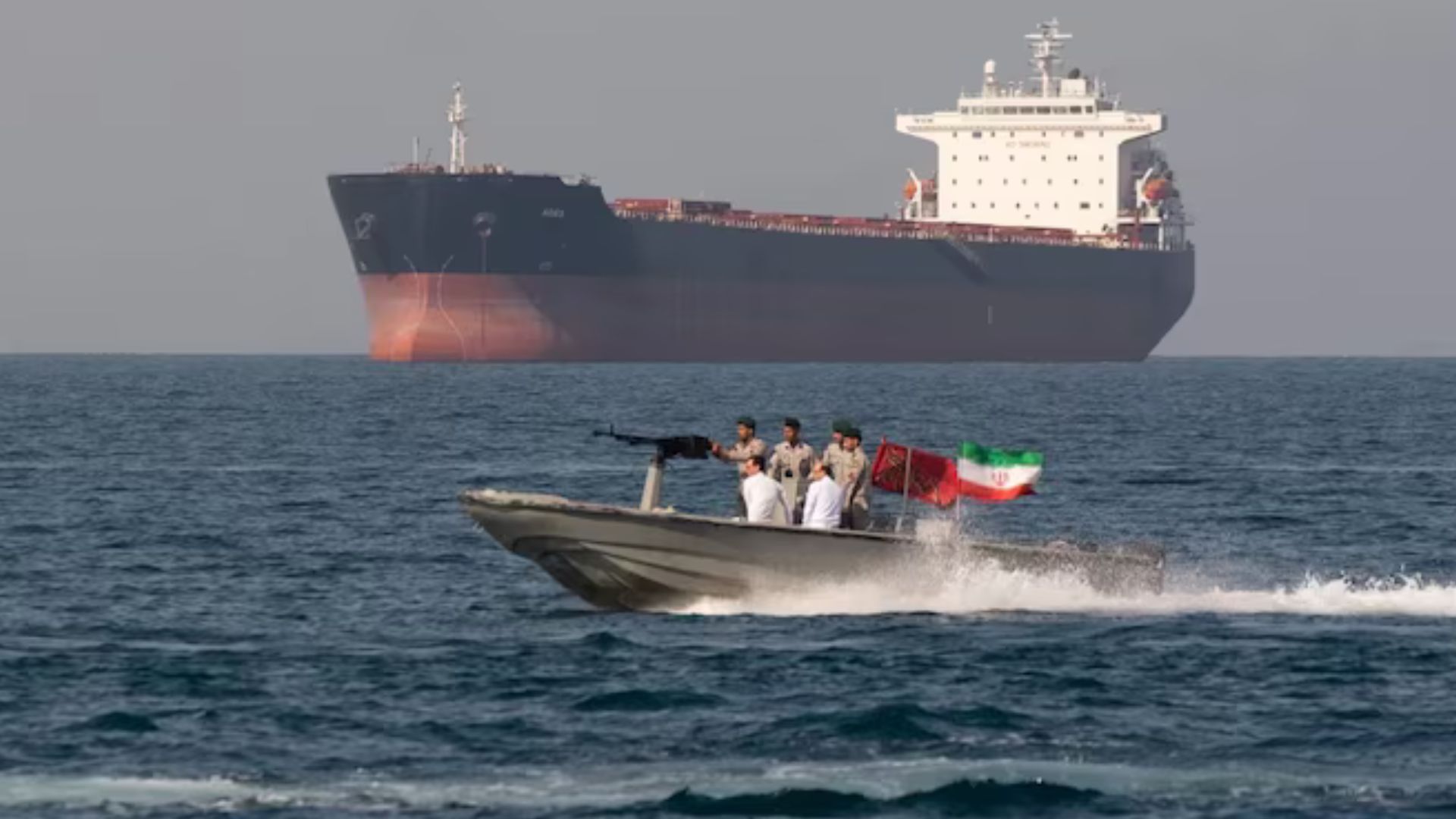

Iran-backed Houthi rebels have joined the month-long West Asia conflict. On Saturday, they said they fired two missiles towards Israel, opening a new front in the war.
At the same time, the United States deployed around 2,500 Marines to the region. Meanwhile, Pakistan’s Prime Minister Shehbaz Sharif said regional leaders will meet on Sunday to discuss ways to end the conflict.
War Disrupts Global Energy and Trade
The ongoing war is now affecting global markets. It has put oil and natural gas supplies at risk. It has also caused fertilizer shortages and disrupted air travel.
Iran’s control over the Strait of Hormuz has unsettled global markets and pushed up prices. Meanwhile, the United States and Israel continue strikes on Iran. In response, Iran has launched attacks on Israel and nearby Gulf countries. So far, the death toll has crossed 3,000.
Bab el-Mandeb Strait Faces Fresh Threat
The Houthis’ entry could further disrupt global shipping. The risk will increase if they resume attacks in the Bab el-Mandeb Strait in the Red Sea. This route handles nearly 12% of global trade, making it highly important for international shipping.
What is Bab el-Mandeb Strait
The Bab el-Mandeb Strait, which means “Gate of Tears,” is a narrow waterway connecting the Red Sea to the Indian Ocean. It lies between Yemen on one side and Eritrea and Djibouti on the other.
Perim Island divides the strait into two channels. The western channel is wider and deeper. It is about 16 miles wide at its narrowest point and around 310 meters deep. Large ships mainly use this route.
In contrast, a smaller channel runs along the Yemeni coast. It is only about two miles wide. Ships move through the strait using separate lanes for incoming and outgoing traffic.
Why Bab el-Mandeb Strait is Crucial
The Bab el-Mandeb Strait plays a key role in global trade. It connects Europe and Asia through the Suez Canal. Ships carrying goods and oil depend on this route. It is also vital for transporting Saudi oil from the port of Yanbu. Saudi Arabia uses pipelines to move crude oil to this port, helping it bypass the Strait of Hormuz.
According to the US Energy Information Administration, around 4.8 million barrels of oil passed through the strait daily in 2016. This was higher than 3.3 million barrels per day in 2011.
What Happens if Bab el-Mandeb Strait Gets Blocked
If the Bab el-Mandeb Strait gets blocked, oil tankers from the Persian Gulf will not be able to reach the Suez Canal or the SUMED pipeline. This would disrupt major global energy routes. However, ships can take a longer route around the southern tip of Africa. But this increases travel distance and time.
For example, a journey from Fujairah to Houston becomes about 2,660 nautical miles longer. The distance to Rotterdam increases by around 4,800 nautical miles. A trip to Italy nearly triples.
As a result, shipping takes longer and becomes more expensive. Oil transport from Saudi Arabia to Rotterdam takes about 22 days through the Suez route. However, it takes nearly 39 days if ships go around Africa.
Bab el-Mandeb Strait as Strategic Tool
Historically, countries have used the Bab el-Mandeb Strait as a strategic pressure point. During the Yom Kippur War, Egyptian forces blocked the route and cut off Israel’s trade. In 2002, attackers targeted a French oil tanker near the Yemeni coast. Yemen also depends heavily on this route for its oil exports. Any disruption can severely damage its economy and increase global fuel prices.
Rising Houthi Attacks on Ships
Between November 2023 and January 2025, Houthi rebels attacked more than 100 merchant ships using missiles and drones. They sank two vessels during this period. The group said these attacks were in support of Palestinians in Gaza during the Israel-Hamas conflict.
US Naval Deployment Faces Risks
The renewed threat also complicates US military operations. The aircraft carrier USS Gerald R. Ford recently arrived in Croatia for maintenance. If deployed to the Red Sea, it could face risks similar to those faced by the USS Dwight D. Eisenhower in 2024 and the USS Harry S. Truman in 2025. Overall, the conflict is expanding and now threatens key global trade routes, energy supplies, and regional stability.