
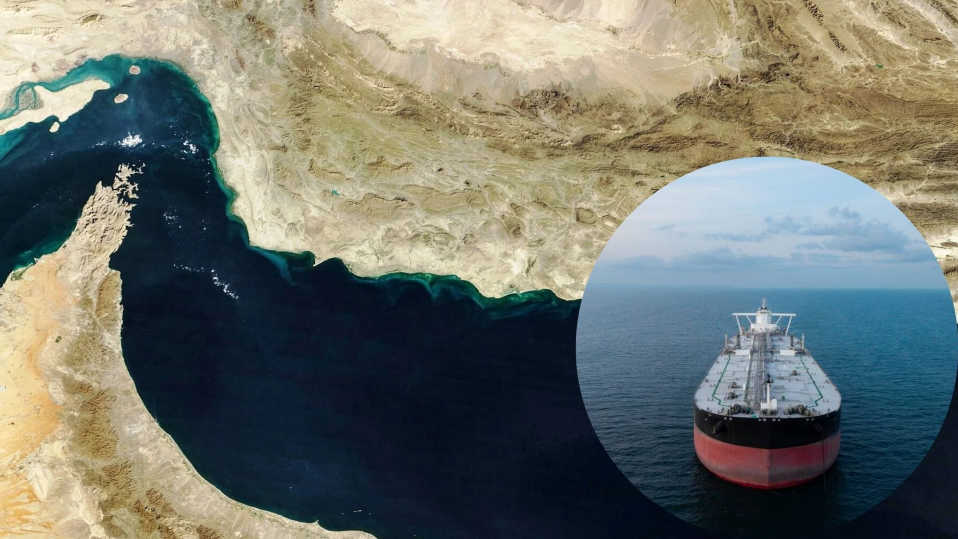

Iran’s military has announced that Iraq will not face any shipping restrictions in the Strait of Hormuz, a key route for global oil transport. This decision is important as it could affect crude oil supplies worldwide.
According to Iran’s military spokesperson, as reported by the Islamic Republic News Agency, “Brotherly Iraq is exempt from any restrictions we have imposed on the Strait of Hormuz.”
Potential Boost to Global Oil Supply
This move could allow Iraq to export up to 3 million barrels of oil per day back into the global market. However, Iraqi officials have cautioned that the actual impact will depend on whether shipping companies are willing to enter the strait amid ongoing tensions. It is also not yet clear whether the exemption applies to all Iraqi oil exports or only to vessels sailing under the Iraqi flag.
Iraq’s Oil Exports Had Dropped Sharply
Earlier in the conflict, Iraq and other Gulf countries reduced oil production as export routes were disrupted and storage facilities filled up. According to a Fortune report, Iraq’s oil exports fell sharply by about 97%, dropping to an average of 99,000 barrels per day in March compared to the previous month. During this period, most exports were limited to a pipeline running through Turkey to the Mediterranean port of Ceyhan.
Ship Traffic Slowly Increases
Even though the conflict is still ongoing, ship movement through the Strait of Hormuz has started to increase slightly in recent weeks. Several vessels have successfully passed through the route, indicating cautious recovery in shipping activity.
Countries Using the Strait
In the past month, at least five ships have reached India after crossing the Strait of Hormuz. These include Pine Gas, Jag Vasant, Shivalik, and Nanda Devi, which carried LPG, and Jag Laadki, which transported crude oil.
India is among a group of countries continuing to use the route, along with China, Russia, Iraq, and Pakistan.
The Consulate General of Iran in Mumbai shared a statement quoting Foreign Minister Abbas Araghchi: “Iran FM Abbas Araghchi: We permitted passage through the Strait of Hormuz for friendly nations including China, Russia, India, Iraq, and Pakistan.”
More Nations Attempt Crossing
A French vessel crossed the strait this week, marking the first such movement by a Western European ship since tensions escalated. Additionally, a Japanese-owned LNG tanker also managed to pass through. Meanwhile, several Asian countries are in talks with Iran to secure safe passage for their ships.
Iran Tightens Control Over Key Route
Since the conflict began following US and Israeli strikes on February 28, Iran has increased its control over the Strait of Hormuz. This has significantly reduced shipping activity through the route, which normally handles about 20% of the world’s oil and liquefied natural gas.
Iran has allowed limited passage for ships from friendly countries through approved routes, while warning that vessels linked to the US or Israel could be targeted. Pakistan, for instance, has reached an agreement to allow 20 ships to cross under its flag. Other Asian countries have also managed to secure similar arrangements.
Diplomatic Efforts Underway
European countries, including France, have started diplomatic efforts to reduce tensions and restore normal shipping in the region. However, no major breakthrough has been reported so far.
Uncertain Outlook
While Iran’s decision to exempt Iraq may ease some pressure on global oil supply, the overall situation remains uncertain. The willingness of shipping companies to operate in the region and the outcome of diplomatic efforts will play a key role in determining future developments.