
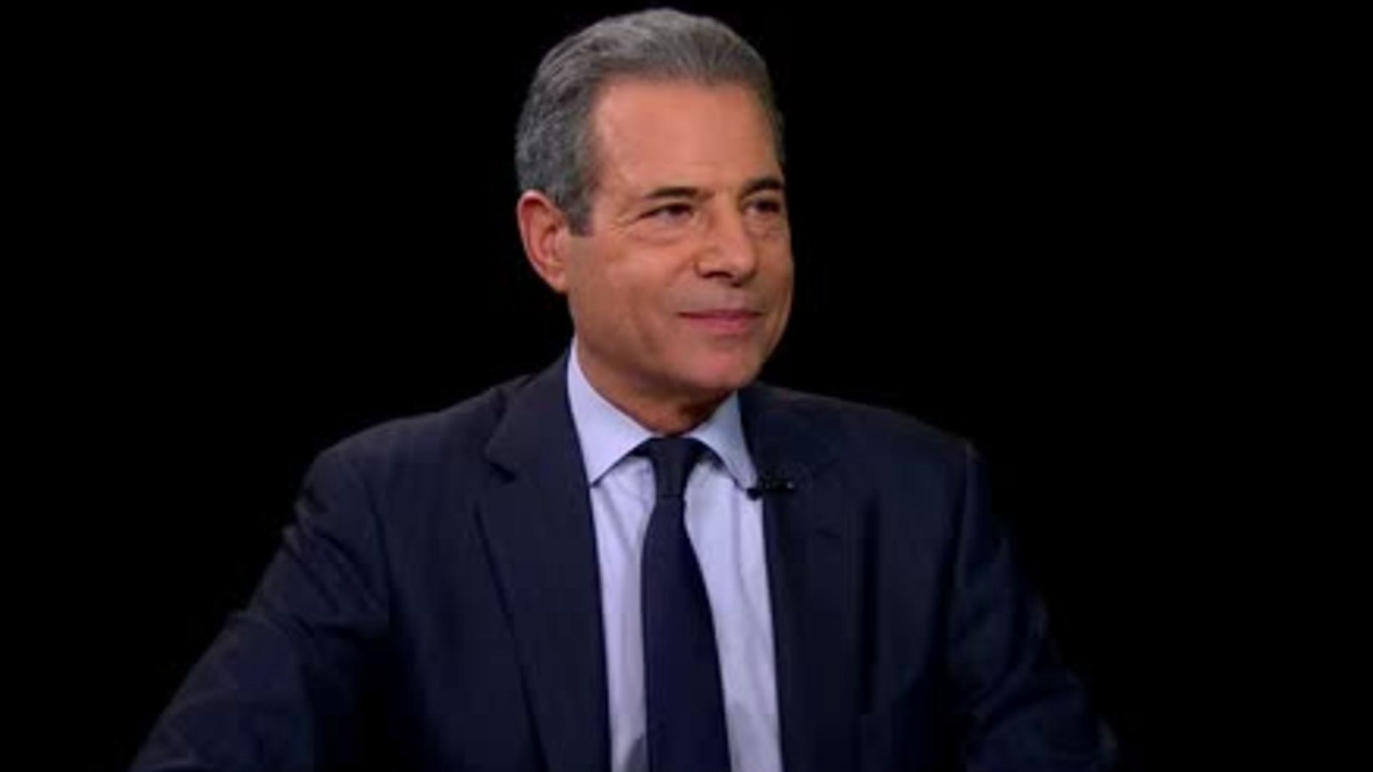

The ongoing conflict with Iran may harm the global image of the United States, according to Richard Stengel. He warned that the war is reinforcing negative views about Washington’s role in global affairs. He said many countries already see the US as too dependent on military force and less concerned about the consequences of its actions.
He added that such perceptions often grow stronger during long wars. He also cautioned that global favourability toward the US could fall to levels not seen in decades.
Soft Power Weakens During War
Stengel explained that the US has often seen its global image rise and fall depending on its actions and leadership. He pointed to the Iraq war as a key example.
He said, “In 2003, after the invasion of Iraq, American global favorability was at a modern low: in the 30-40% range. It had been above 50% for Jimmy Carter, Ronald Reagan, George H. W. Bush, and got into the 70% range for Bill Clinton.”
He described “soft power” as the ability of the US to influence others through culture, values, and diplomacy instead of military strength. He said this influence usually grows during peaceful periods but declines during wars.
Trust Falls Under Trump Leadership
Stengel noted that trust in US leadership has dropped since Donald Trump returned to power.
He said support for the Iran war remains low in many countries, including some US allies. He added that global confidence was already weak and may decline further as the conflict continues.
‘Ugly American’ Image Returns
Stengel argued that Trump’s language has brought back the “Ugly American” image. This term refers to a perception of arrogance and lack of cultural sensitivity.
He said this image is now returning without the strong emphasis on democratic values that once shaped US foreign policy.
He also noted that the US has often gained influence through culture rather than military action. Cultural diplomacy and global media outreach have played a key role in improving America’s image in the past.
Strategic Risks of Declining Influence
Stengel warned that weakening soft power can create serious strategic problems. It can affect alliances, reduce cooperation, and make it harder for the US to gain support in future crises.
He said this is especially important in the context of China. The US depends on global partners to counter China’s growing influence.
Recent trends show a widening gap between US and Chinese global approval ratings. China is increasingly presenting itself as a diplomatic player, while the US is seen as taking a more military approach.
Long-Term Impact on Global Standing
Stengel said the moral and reputational impact of the Iran war could shape global opinion for many years. He warned that the effects could last for decades and influence how both allies and rivals view the US.
He added that declining soft power is not just about reputation. It is a deeper structural issue that may limit America’s role in global decision-making in the future.
‘America Alone’ Approach Criticised
Stengel also criticised the US approach to global relations. He said recent actions show a shift toward acting alone rather than working with allies.
“America first has largely meant America alone. Over and over, we’ve seen unilateral actions by the US without consultation with allies. And then complaints by the administration when the allies are not supportive. Trump’s assertion that we don’t need allies may be rhetorical red meat for his base but it’s objectively wrong, as we’ve seen with the strait of Hormuz. Even with the war in Iraq, the Bush administration painstakingly enlisted allies and made its case to the UN," he said.
Strong Rhetoric Raises Concerns
Stengel also criticised the tone used by US leaders. He said aggressive language and messaging are damaging America’s image.
“The 1950s-era macho language of Trump (’the big one is coming soon’) and his defense secretary, Pete Hegseth (‘we’ll negotiate with bombs’), is reinforcing the image of an America obsessed with violence and careless about the use of it. The defense department’s release of Top Gun-style videos interspersed with clips from Braveheart and Breaking Bad and video games such as Call of Duty and Grand Theft Auto seems both juvenile and like spiking the football. The success of these video games is a big part of America’s global soft power. But the gamification of war is not.”
Growing Concern Over US Credibility
Stengel concluded that such actions could weaken US credibility on the global stage. He warned that the long-term impact of the war and its messaging could reduce America’s influence and standing in world affairs.