
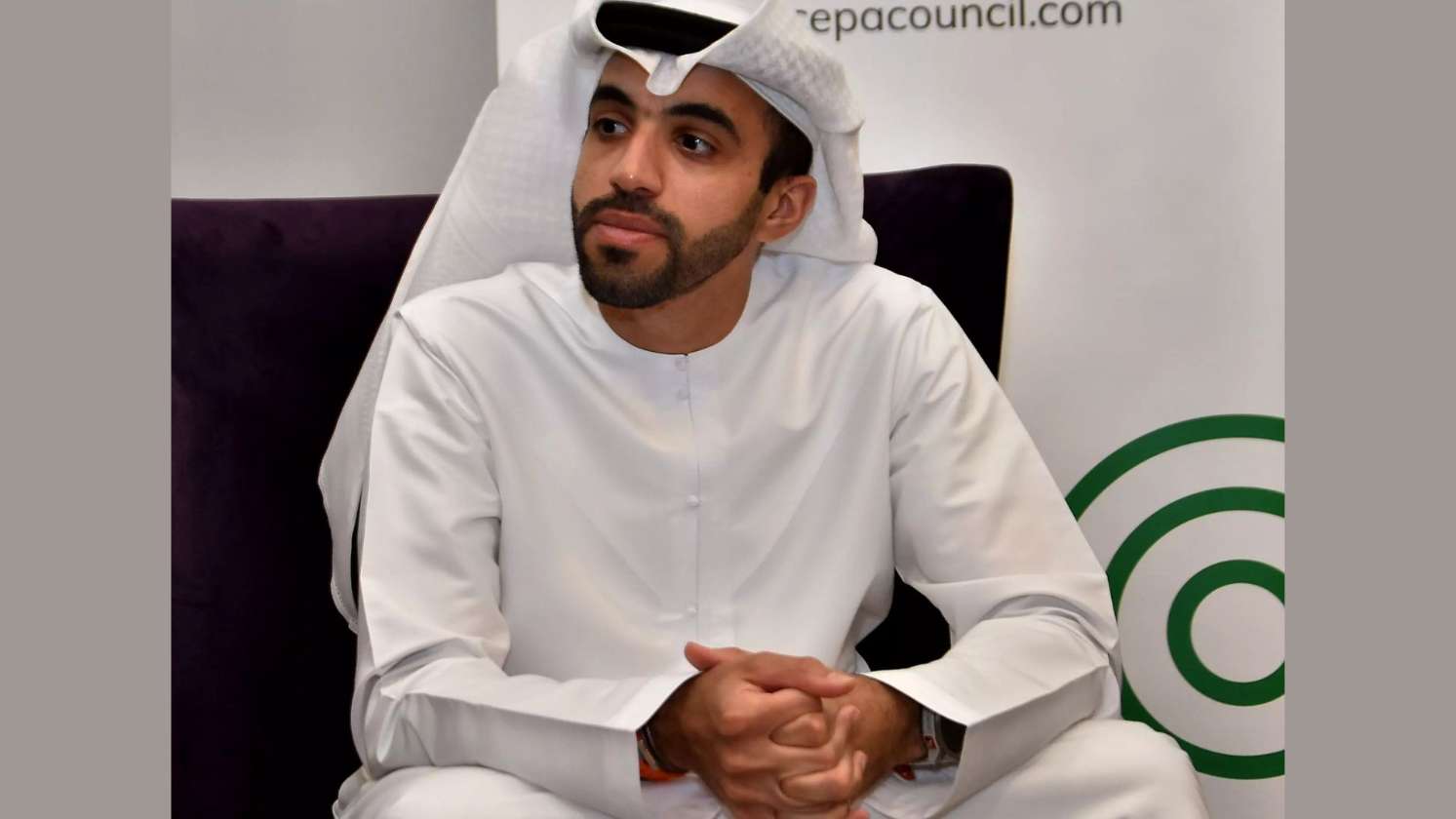

Abdulnasser Jamal Alshaali on Friday said that nearly four million Indians living in the United Arab Emirates are deeply integrated into society. He stressed that the country does not see them as outsiders.
“The four million Indians in the UAE are not guests. They are part of the fabric of this country,” Alshaali said.
Moreover, he added that authorities treat their safety with the same seriousness as that of UAE citizens. As a result, this strengthens the strong bond between the UAE and India.
India and UAE Stay in Constant Contact
At the same time, Alshaali said both governments have maintained regular communication since the start of the US-Iran conflict. They continue to monitor the situation closely and prepare for emergencies.
“Contingency and evacuation protocols are in place and reviewed regularly. EAM Dr S Jaishankar’s visit on the 11th and the 12th of April was the latest in a sustained pattern of high-level engagement between the two countries…,” he said, referring to S. Jaishankar.
UAE Faces Repeated Attacks
Meanwhile, the envoy revealed that the UAE has faced nearly 2,890 missile and drone attacks since February 28. He strongly condemned these strikes.
“Iran targeted our civilian infrastructure, our energy facilities, our residential areas, and basically our model of openness. This was not a military strategy, but terrorism… Our multi-layer air defence systems intercepted the vast majority of incoming threats…,” he said.
Global Community Backs UAE
In addition, Alshaali highlighted strong international support. He pointed to a Human Rights Council resolution backed by over 100 countries. This resolution called for compensation for victims.
He also referred to a statement by the International Maritime Organisation, supported by more than 115 member states. It condemned threats to maritime security and supported free navigation in the Strait of Hormuz.
“A human rights council resolution supported by over 100 states called on Iran to provide full reparations to victims, including those affected by attacks on energy and essential services… The International Maritime Organisation, supported by more than 115 member states, condemned threats to maritime security and underscored the importance of freedom of navigation in the Strait of Hormuz… The international community will not tolerate attacks on sovereignty, civilians, critical infrastructure, or the rules-based international order…,” he added.
UAE Maintains Clear and Consistent Position
Furthermore, Alshaali said the UAE has remained consistent in its stance. He emphasised that the country did not seek conflict.
“Our position has always been consistent and clear throughout. We did not seek this war, and before its outbreak, the UAE made it very clear that its territory and airspace would not be used to launch attacks against Iran. That commitment was made in good faith, and Iran chose to violate it,” he said.
Key Conditions for Lasting Peace
Looking ahead, the envoy outlined the conditions for a long-term solution. He said any agreement must address critical concerns.
“Our position remains unchanged. Any durable resolution must address the fundamental issues. Iran’s nuclear program, its ballistic missiles and drones, its affiliated terrorist proxies, the complete and unconditional reopening of the Strait of Hormuz, and the targeting of civilians…,” Alshaali added.
UAE Closely Watches Ceasefire Developments
Finally, Alshaali said the UAE is closely monitoring the ceasefire between the United States and Iran. The country is seeking clarity on its terms to ensure full compliance.
He stressed the need for an immediate halt to hostilities. He also underlined the importance of unrestricted maritime access, especially through the Strait of Hormuz.