

Tensions between the United States and the North Atlantic Treaty Organisation (NATO) have deepened after an internal Pentagon email revealed possible actions against allies that Washington believes did not support its military efforts in Iran.
Pentagon email outlines punitive options
Firstly, the internal communication, obtained by Reuters, lists several measures the US could take against NATO members. These include suspending certain countries from key roles within the alliance and even reviewing long-standing geopolitical positions, such as the US stance on the UK’s claim over the Falkland Islands.
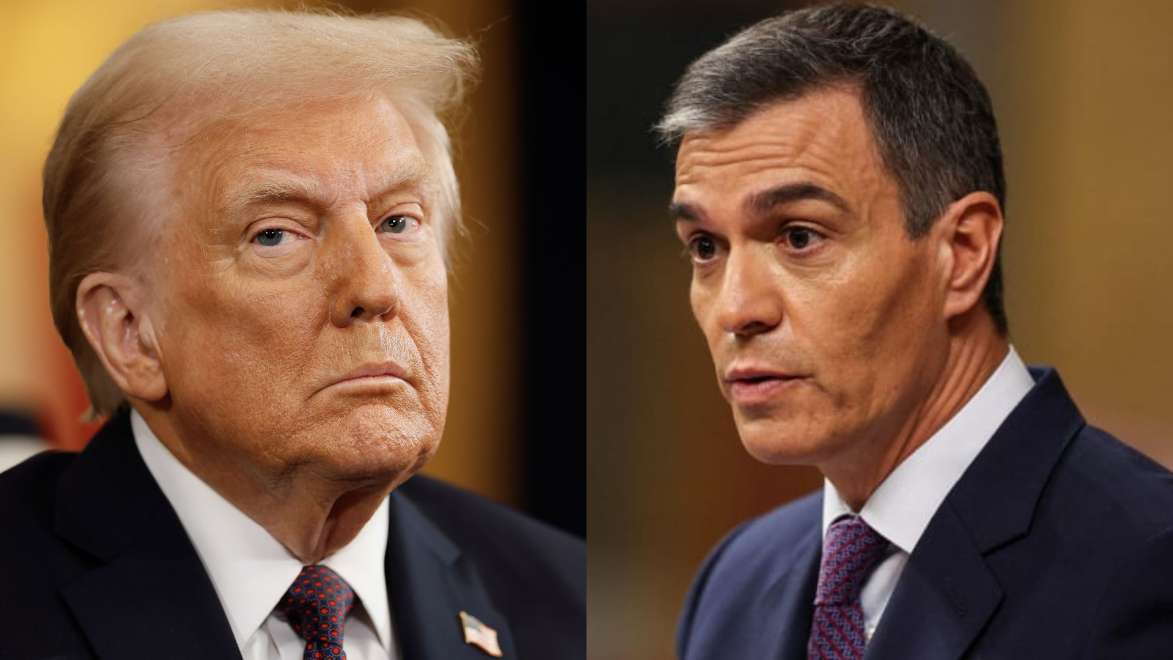
One of the most striking suggestions involves suspending Spain from NATO. The email reflects growing frustration within Washington over what it sees as a lack of support from some allies during the Iran conflict.
An official, speaking anonymously, said the document highlights concerns about countries that refused to provide access, basing, and overflight rights (ABO) to US forces. These permissions are considered essential for military operations.
The email described ABO as “just the absolute baseline for NATO.”
Moreover, officials confirmed that the ideas mentioned in the email are being discussed at senior levels within the Pentagon. One proposal includes sidelining “difficult” countries from “important or prestigious positions at NATO.”
Trump escalates criticism of NATO allies
Meanwhile, US President Donald Trump has openly criticised NATO members. He accused them of failing to support efforts to reopen the Strait of Hormuz, which was shut to global shipping after the air war began on February 28. In a recent interview with Reuters, Trump even hinted at a possible US withdrawal from NATO.
“Wouldn’t you if you were me?” he said when asked about leaving the alliance. However, the internal email does not propose an exit from NATO. It also does not suggest shutting down US bases in Europe. The official declined to confirm whether troop reductions in Europe are part of the discussions.
Pentagon defends administration’s stance
In response, Pentagon Press Secretary Kingsley Wilson repeated the administration’s position. “As President Trump has said, despite everything that the United States has done for our NATO allies, they were not there for us,” Wilson said.
He added that the government is preparing options to ensure stronger cooperation from allies.
“The War Department will ensure that the President has credible options to ensure that our allies are no longer a paper tiger and instead do their part. We have no further comment on any internal deliberations to that effect,” Wilson explained.
Allies defend their position
However, countries like the UK and France have defended their stance. They argue that joining a US-led naval blockade would effectively mean entering the war. Instead, they have said they would help reopen the Strait of Hormuz after a ceasefire or once the conflict ends.
At the same time, US officials have expressed particular frustration with Spain. Its government refused to allow American forces to use its bases or airspace for operations against Iran. The US maintains key military facilities there, including Naval Station Rota and Morón Air Base.
Symbolic impact of proposed actions
According to the official, the proposed measures aim to send a strong message to European allies. The goal is to reduce what Washington sees as overdependence on US military support. The official said the plans are meant to “decreasing the sense of entitlement on the part of the Europeans.”
Finally, while suspending Spain from NATO may not significantly affect US military operations, it would carry major symbolic weight and signal a sharp shift in alliance dynamics.