
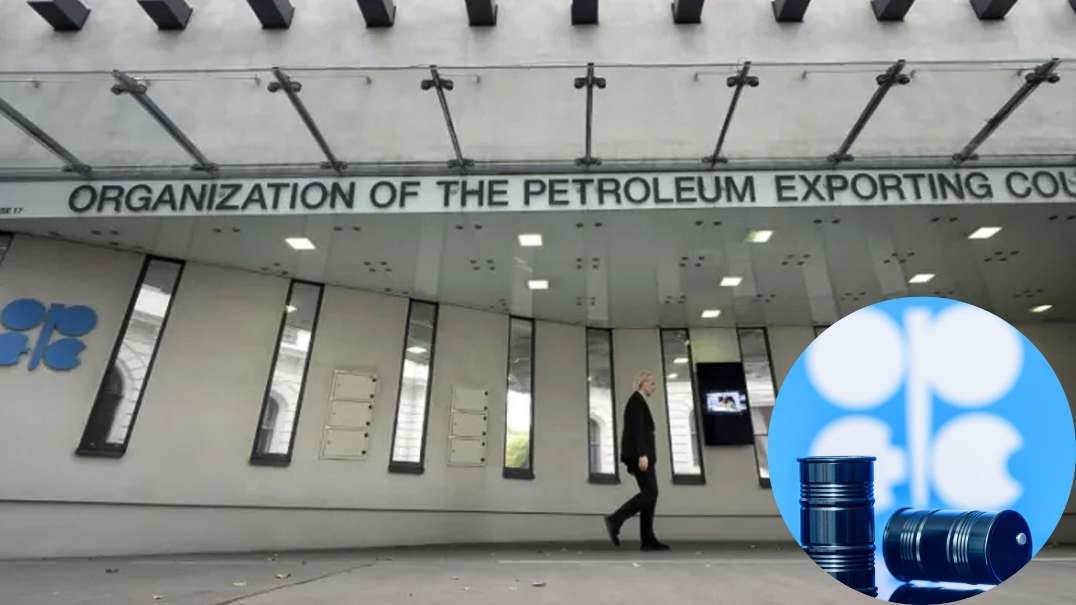

The United Arab Emirates (UAE) announced on Tuesday that it will exit OPEC and the wider OPEC+ group. The decision will take effect from May 1. This move had been expected for some time. The UAE had grown unhappy with production limits and rising tensions with Saudi Arabia.
Decision Comes During Global Energy Shock
The exit comes at a critical time. The ongoing war in Iran has already caused a major energy shock and disturbed the global economy. The UAE’s energy minister said leaving the group will give the country more freedom. It will no longer have to follow group decisions on oil production.
Friction With Saudi Arabia
The UAE has had disagreements with Saudi Arabia for years. Saudi Arabia acts as the main leader of OPEC. Both countries often disagreed on oil policy. The UAE wanted to increase production using its expanded capacity. Saudi Arabia preferred to limit supply to control prices.
These disputes nearly pushed the UAE to leave earlier. However, the country held back until now.
UAE Seeks Independent Policy
In recent years, the UAE has followed a more independent approach in the Middle East. At times, it has taken positions different from Saudi Arabia.
Tensions also increased as Saudi Arabia, led by Crown Prince Mohammed bin Salman, tried to attract more foreign investment. This move created direct competition with the UAE.
Long History With OPEC
The UAE has been part of OPEC for decades. Abu Dhabi first joined the group in 1967. The UAE continued membership after becoming a unified nation in 1971.
The government announced the exit through its state news agency WAM.
Experts Warn of Major Impact
Energy expert Saul Kavonic called the decision “the beginning of the end of Opec”.
"With the UAE leaving, Opec loses about 15% of its capacity and one of its most compliant members," the BBC report added. Data shows the UAE produces about 2.9 million barrels of oil. In comparison, Saudi Arabia produces around 9 million barrels.
"Saudi Arabia will struggle to keep the rest of Opec together, and effectively have to do most of the heavy lifting regarding internal compliance and market management on its own," Kavonic said. He also warned that other countries might follow.
"This present a fundamental geopolitical reshaping of the Middle East and oil markets," he added.
Iran War Influences the Decision
The war in Iran also played a role in the UAE’s decision. The conflict has created supply shortages and changed global energy dynamics. UAE Energy Minister Suhail Al Mazrouei said the country carefully reviewed its strategy before deciding.
“This is a decision that we took after a very careful and long review of all our strategies,” he said. “The decision is taken at the right time in our view because it’s not going to hugely impact the market: the market is undersupplied.”
He added that supply shortages require faster action. He said the UAE can respond better outside OPEC’s collective system.