
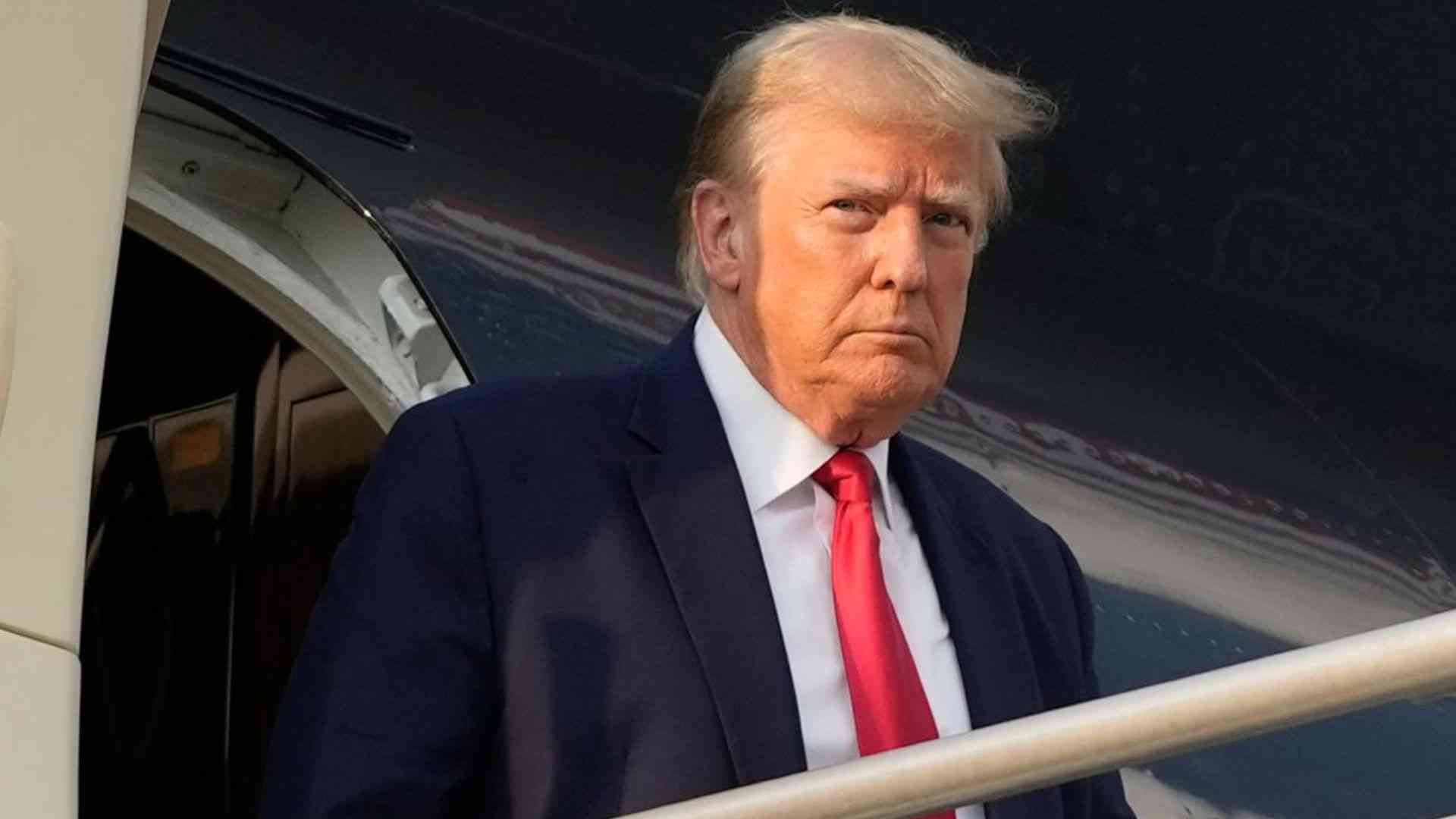

US President Donald Trump said on Saturday that he will soon examine a new 14-point proposal from Iran aimed at ending the ongoing conflict. However, he made it clear that he is not optimistic about its outcome.
Speaking to reporters before boarding Air Force One, Trump confirmed that Pakistani mediators delivered the proposal and that his national security team is currently reviewing it.
“They’re going to give me the exact wording now,” Trump said. “I’ll let you know about it later, but I’m not satisfied with what they’ve been offering. I can’t imagine it would be acceptable in that they have not yet paid a big enough price for what they have done to humanity and the world over the last 47 years.”
Iran pushes for long-term solution
According to Tasnim News Agency, Iran has presented a detailed roadmap that it claims can “end the war” across multiple fronts.
This move comes after the US reportedly shared a shorter nine-point plan, which included a two-month ceasefire. However, Iran appears unwilling to accept a temporary pause. Instead, it is pushing for a permanent resolution within 30 days.
Key demands in Iran’s proposal
Iran’s plan includes several major demands. It seeks firm security guarantees to prevent future military action against it. It also calls for the withdrawal of US forces from surrounding regions.
In addition, Tehran wants economic relief. This includes lifting naval restrictions, unfreezing its assets, and receiving compensation for damages caused by sanctions and military pressure.
The proposal further demands the complete removal of US and international sanctions. Beyond bilateral ties, it also calls for an end to broader regional conflicts, including those involving Lebanon.
Another significant suggestion involves creating a new governance system for the Strait of Hormuz to ensure stability and uninterrupted oil flow. Iran is now waiting for Washington’s response.
Fragile ceasefire continues amid tensions
These diplomatic efforts come at a sensitive time. A fragile ceasefire has been in place since April 8, following weeks of fighting that began in late February.
Although direct clashes between US and Iranian forces have reduced, the wider impact continues. The Strait of Hormuz remains largely disrupted for oil shipments. As a result, global oil prices are still nearly 50 percent higher than pre-conflict levels.
Economic and nuclear tensions persist
Economic pressure on Iran is increasing. US Treasury Secretary Scott Bessent said that the “maximum pressure” strategy is intensifying. Iran’s currency has weakened further due to continued US actions, including restrictions on its ports.
At the same time, the nuclear issue remains unresolved. The White House has insisted that any agreement must include a permanent halt to Iran’s nuclear programme. However, Iran has reportedly tried to delay addressing this issue in earlier drafts, which Washington opposes.
Legal and political challenges in the US
Trump’s remarks followed a letter sent to Congress on Friday, where he declared that hostilities with Iran had “terminated.” This statement effectively allowed him to avoid seeking approval under the War Powers Act, which would have required congressional consent to continue military action beyond May 1.
This move has faced criticism from opposition Democrats. Senator Jeanne Shaheen called it a “constitutional workaround,” arguing that the situation on the ground has not truly changed and US troops remain at risk.
Trump outlines stark choices
Trump’s current stance reflects a mix of caution and firmness. On Friday, he described the situation in simple terms: “Either blast them away or make a deal.”
He suggested that the US could choose full military action to “finish them forever” or pursue negotiations. At the same time, he admitted he would prefer to avoid further escalation.
Meanwhile, as envoy Steve Witkoff and his team review the proposal, tensions remain high. Senior Iranian military officials have warned that if the US resumes strikes, their response will be “sustained and painful.”