

Pakistan has admitted that it is struggling to cope with rising global oil prices. The country said it does not have the kind of strategic reserves that have helped India manage the crisis more effectively.
This statement comes as crude oil prices continue to surge due to tensions in West Asia and disruptions in global supply chains.
Limited Oil Reserves Raise Alarm
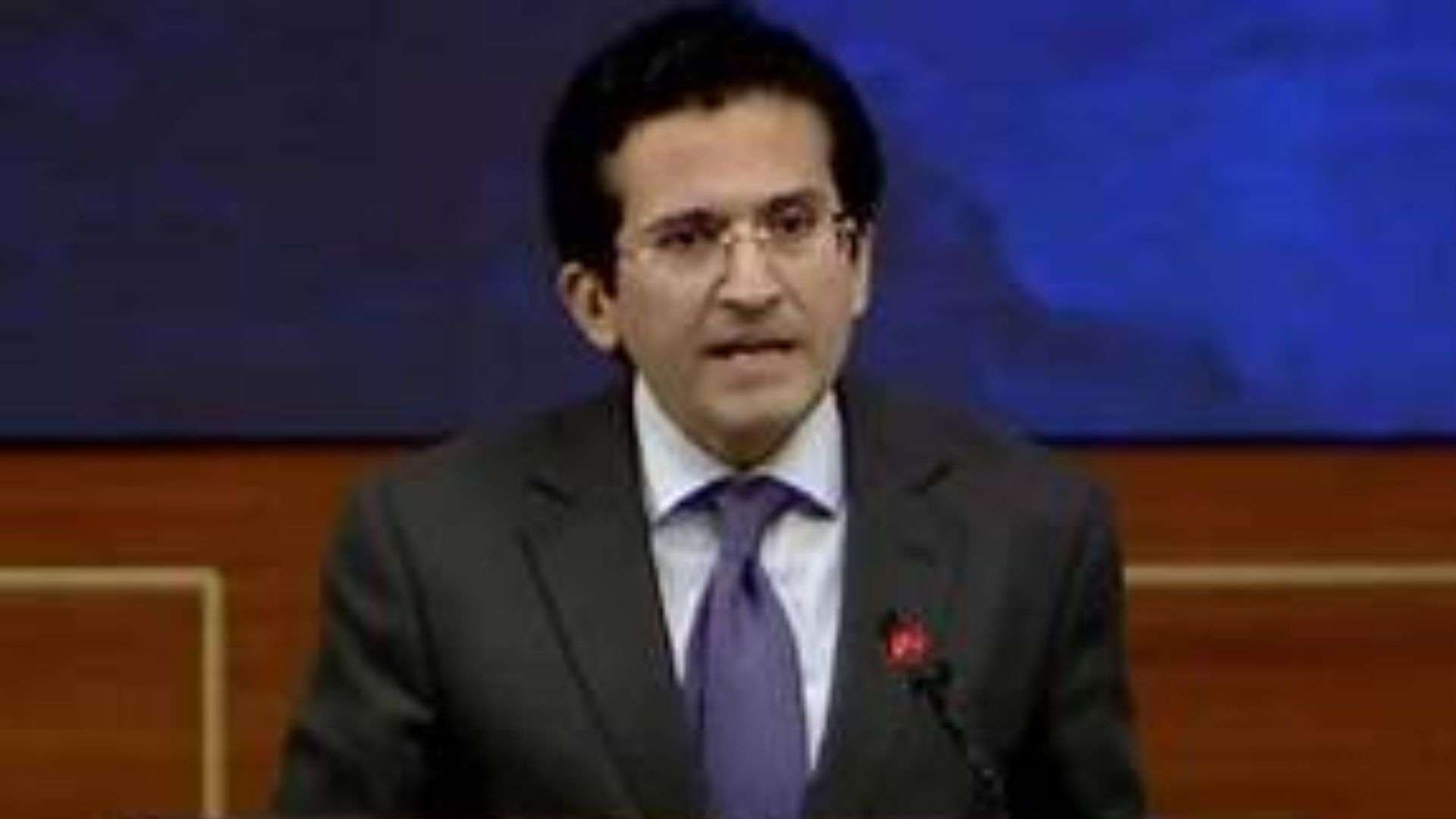
Pakistan’s petroleum minister, Ali Pervaiz Malik, revealed the country’s weak position in a TV interview. He said Pakistan has only a few days’ worth of crude oil supplies and lacks long-term strategic reserves.
According to him, the country currently holds crude oil reserves for just five to seven days, along with around 20 days of refined fuel maintained by oil marketing companies.
Global Crisis Adds Pressure
Meanwhile, global crude prices have crossed $125 per barrel. The rise has increased pressure on countries that depend heavily on imports.
The situation has worsened due to disruptions in the Strait of Hormuz, a key route for global oil shipments. Ongoing tensions between the United States and Iran have affected shipping in this region, raising serious concerns about energy security.
India Better Prepared for Crisis
In contrast, India holds significantly larger reserves. Estimates suggest that it has around 60 to 70 days of combined strategic and commercial oil stocks.
This allows India to release reserves during emergencies and control price shocks more effectively.
Malik also admitted that India’s stronger foreign exchange reserves and better economic planning have helped it deal with the crisis more smoothly.
IMF Conditions Limit Pakistan’s Response
Pakistan’s options remain limited due to its commitments to the International Monetary Fund. Under its agreement with the IMF, the government must maintain high fuel taxes to control its fiscal deficit. As a result, it cannot easily reduce fuel prices despite rising costs.
The minister said the government has held backchannel talks with the IMF to seek some relief. It has also introduced targeted subsidies, mainly for motorcyclists, to ease the burden.
Public Protests Over Rising Prices
The sharp rise in fuel prices has triggered protests across the country. Although Prime Minister Shehbaz Sharif recently announced a reduction in petrol prices, earlier increases had already pushed rates to record levels.
Petrol prices had reached around PKR 378 per litre, leading to public anger and fuel shortages.
Global Tensions Deepen Crisis
The crisis has intensified due to ongoing tensions involving Iran and the United States. These conflicts have disrupted oil supply routes and increased uncertainty in global markets.
The Strait of Hormuz remains a critical chokepoint, handling a large share of the world’s oil shipments.
India Maintains Stability
Despite global volatility, India has managed to keep domestic fuel prices relatively stable. The government has adjusted taxes and used its reserves to reduce the impact of rising crude prices on consumers.
Uneven Impact Across Countries
Experts believe that countries with strong reserves and stable financial systems can handle such shocks better. On the other hand, nations with limited reserves and weaker economies, like Pakistan, remain highly vulnerable to sudden disruptions in global supply.