
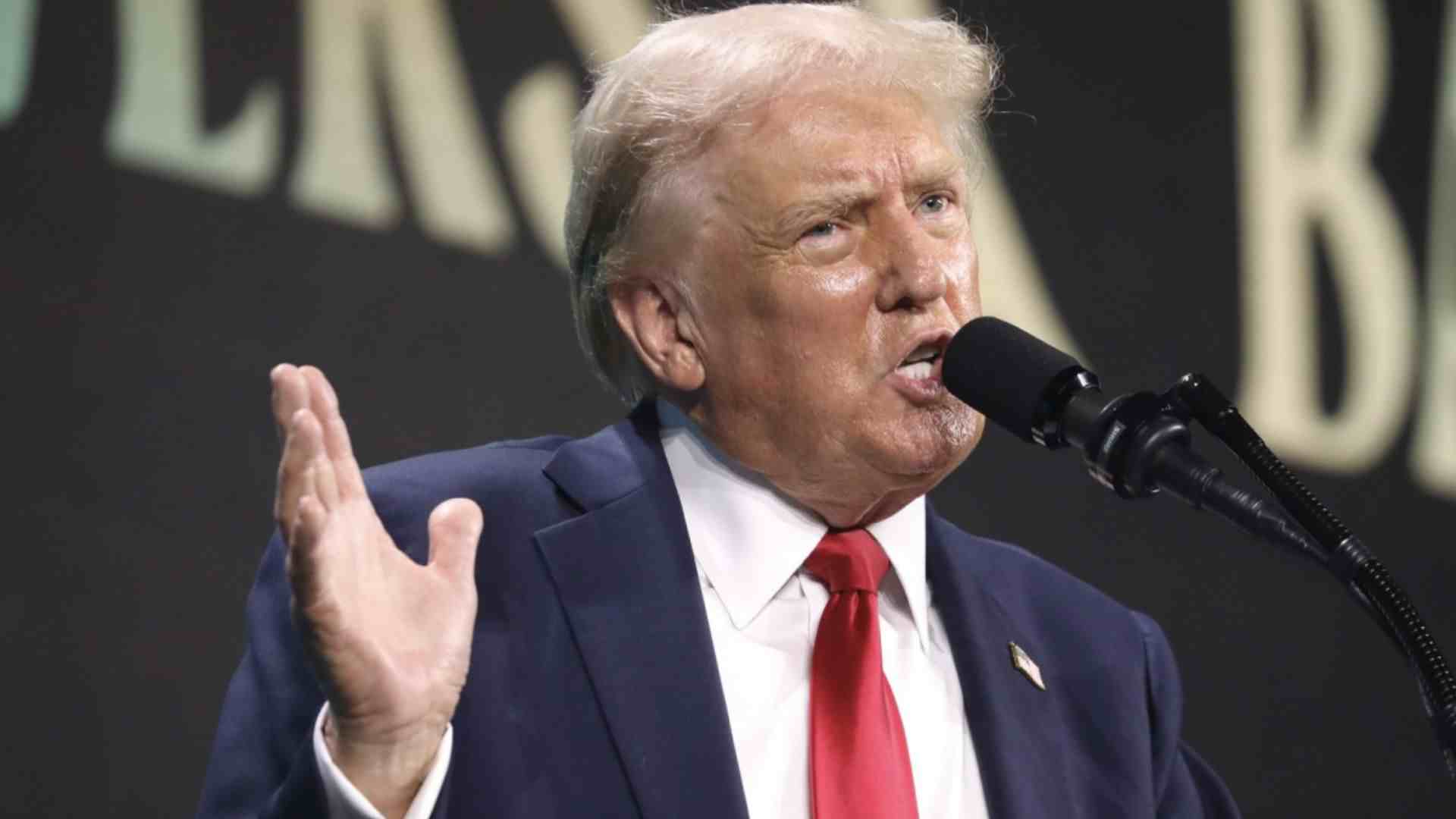

US President Donald Trump said Iran has still not agreed to a deal with the United States to formally end the ongoing conflict. However, he remains confident that Tehran will eventually return to the negotiating table.
Speaking to NBC News on Friday, Trump said Iran’s leaders are struggling to accept the position they now face after months of war. He described them as determined but insisted they would eventually have to negotiate.
“They’re strong, they’re proud, there are things they never thought they’d be doing that they’re going to have to do. They’ve got no choice, and it takes a little while,” Trump said.
US-Iran Conflict Enters Fourth Month
Meanwhile, the conflict between the United States and Iran has entered its fourth month. Although both countries agreed to a ceasefire in April and extended it several times, tensions remain high.
In addition, recent military exchanges near the Strait of Hormuz have raised fresh concerns about the future of the truce and the chances of a long-term peace deal.
Trump Says Iran Is Struggling to Accept Setbacks
Trump also claimed that Iran’s leadership is finding it difficult to deal with the losses suffered during the conflict. According to him, Iranian leaders never expected to face such circumstances.
“They can't believe that are in a situation where they are virtually decapitated… They have 47 years of getting away with whatever they wanted. This should have been done a long time ago. This should have been done by other Presidents or by other countries,” he said.
As a result, diplomatic efforts to secure a broader agreement continue to face major challenges.
Key Disputes Continue to Delay a Peace Deal
At the same time, Washington and Tehran continue indirect negotiations aimed at securing a temporary agreement to stop the fighting. However, several important issues remain unresolved.
Iran wants access to billions of dollars in oil revenues. It is also seeking relief from sanctions on crude exports, an end to restrictions on its ports, and greater leverage over matters linked to the Strait of Hormuz. Because the waterway is one of the world's most important oil shipping routes, disruptions there continue to affect global energy markets.
Pakistan Steps Up Diplomatic Efforts
Meanwhile, Pakistani Interior Minister Mohsin Naqvi arrived in Tehran on Saturday carrying what Iranian state media described as a "special letter."
Reports said Pakistan’s military chief and prime minister sent the message to Iran’s Supreme Leader, Mojtaba Khamenei. Naqvi was also expected to meet Iranian Foreign Minister Abbas Araqchi as regional countries continue efforts to encourage dialogue.
Military Action Continues Despite Ongoing Talks
Despite diplomatic contacts, both sides continued military operations over the weekend. The US military said it struck Iranian radar facilities in Goruk and on Qeshm Island in the Strait of Hormuz. Officials said the action followed the interception of drones that allegedly threatened maritime traffic.
Later, the United States Central Command said American forces shot down two more Iranian attack drones in the area.
Iran Targets US Bases in Kuwait and Bahrain
In response, Iran’s Revolutionary Guards said they launched attacks on US military bases in Kuwait and Bahrain. Kuwaiti authorities reported that seven ballistic missiles crossed over residential areas. The military said it intercepted the missiles and prevented casualties, although some property damage occurred.
Meanwhile, authorities in Bahrain sounded warning sirens and urged residents to seek shelter. Both countries strongly condemned the attacks.
US and Iran Disagree Over Missile Strike Results
Later, Iran claimed it had successfully hit US military facilities in both Kuwait and Bahrain with ballistic missiles. However, the US military rejected that claim. It said forces intercepted six missiles and that a seventh missile failed to reach its target.
The conflicting statements highlighted the continuing uncertainty surrounding the conflict.
Conflict Began After US and Israeli Operations
The conflict started on February 28 after the United States and Israel launched military operations against Iran. In response, Tehran targeted Gulf countries hosting American military bases and sharply reduced shipping activity through the Strait of Hormuz.
As fighting continues and negotiations remain stalled, hopes for a lasting peace agreement remain uncertain.