
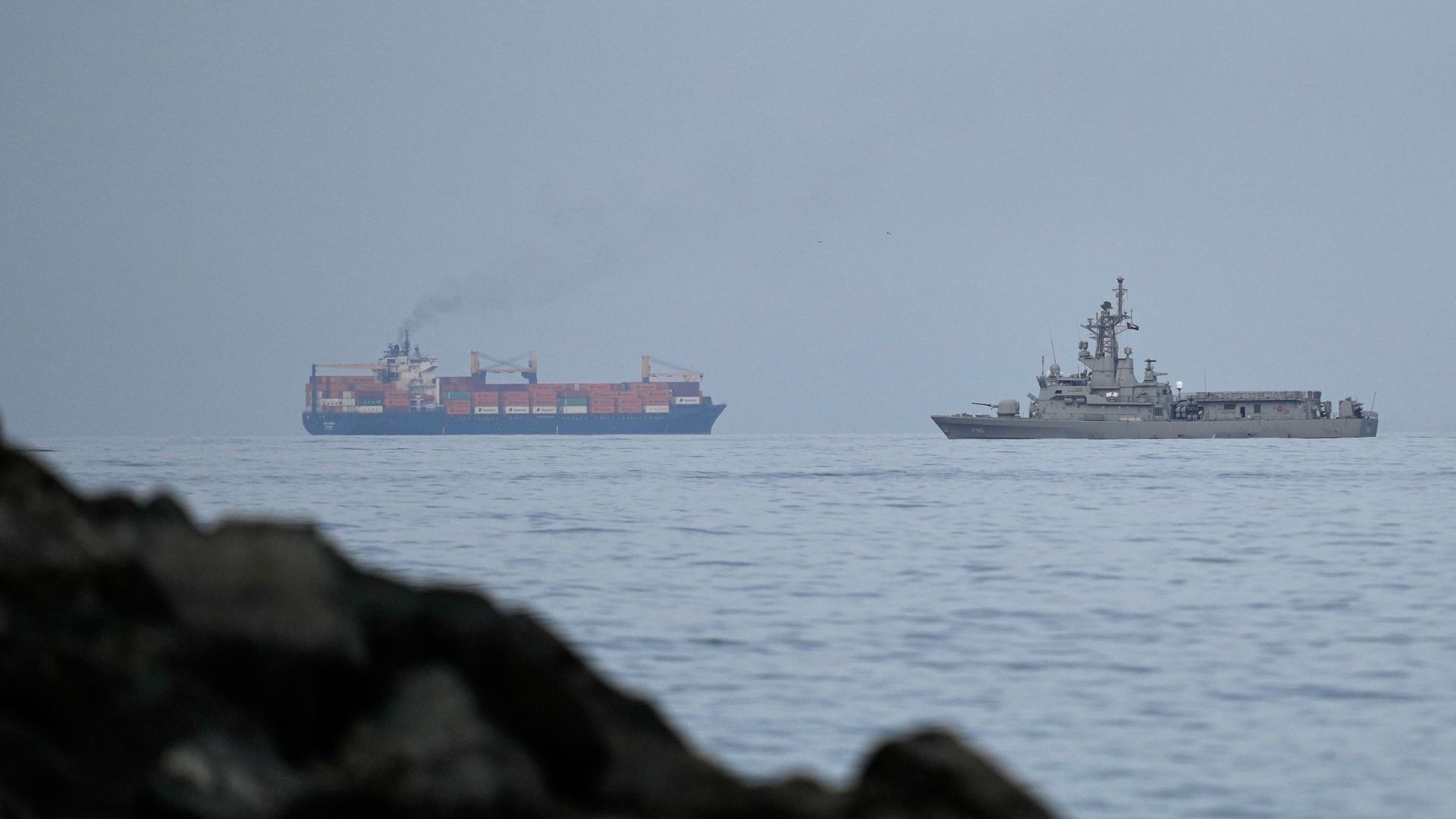

Iran announced the closure of the Strait of Hormuz on Saturday, accusing the United States and Israel of violating a recently agreed ceasefire, according to Iranian state media. The decision came just days after Iran agreed to a peace deal aimed at ending weeks of conflict, raising fresh concerns about regional security and global energy supplies.
Why Did Iran Close the Strait of Hormuz?
Iran's top military command, the Khatam al-Anbiya Central Headquarters, announced that the Strait of Hormuz would be closed to vessel traffic. According to the Mehr state news agency, Iranian officials claimed that the United States and Israel had violated commitments made under the ceasefire agreement. Tehran described the closure as a direct response to those alleged breaches. The Strait of Hormuz is one of the world's most important maritime routes and handles a significant share of global oil shipments.
Iran Warns of Further Action if Tensions Continue
Iranian military officials said the closure was only the beginning of their response. In a statement aired on state television, the military warned that additional measures had already been planned. “if the aggression continues, subsequent steps have been planned.” Officials also described the closure as the "first step" and said further actions would follow if what they called aggression continued. The warning highlighted growing tensions despite the recent diplomatic breakthrough between the parties.
Iran Negotiation Team Still Headed to Switzerland
Despite the military announcement, diplomatic efforts appear to remain active. Shortly after reports of the closure emerged, Iranian media stated that the country's negotiating team would travel to Switzerland "in the coming minutes." The visit had originally been scheduled for Friday but was postponed. The planned trip suggests that Tehran is still pursuing diplomatic channels even as tensions rise on the ground.
Israeli Strikes in Lebanon Add to Regional Tensions
The latest development followed Israeli military strikes in southern Lebanon on Saturday. According to reports, at least 16 people, including two children, were killed in the attacks. The strikes came only one day after Israel and Lebanon agreed to a ceasefire aimed at reducing hostilities along their border. The violence has increased concerns that ceasefire agreements across the region remain fragile and could quickly unravel.
How Could the Strait of Hormuz Closure Affect Global Oil Markets?
The Strait of Hormuz is one of the most strategically important waterways in the world. A large portion of global oil and energy exports passes through the narrow shipping corridor every day. Any disruption to traffic in the area could impact energy supplies, increase shipping costs and create volatility in global markets. As a result, governments, traders and energy companies around the world are expected to closely monitor the situation.
What Happens Next After Iran's Strait of Hormuz Decision?
Iran's move has added fresh uncertainty to an already tense regional situation. While diplomatic talks are expected to continue in Switzerland, Tehran has warned that additional measures could follow if it believes ceasefire violations persist. The coming days will likely determine whether negotiations can preserve the fragile peace agreement or whether the region moves toward another period of heightened confrontation.