
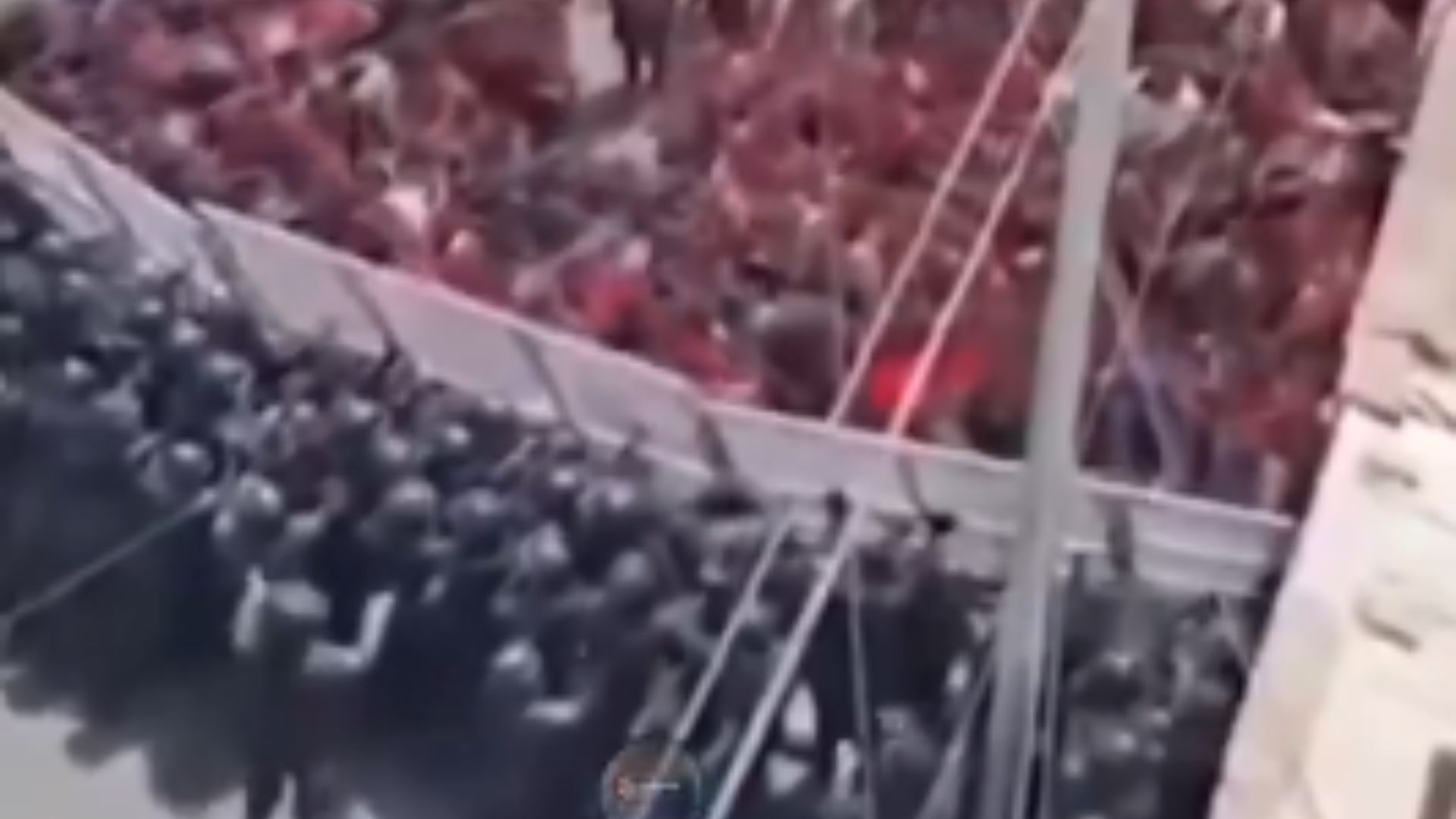

Bolivia entered a critical phase of political unrest on Saturday after President Rodrigo Paz declared a nationwide state of emergency. The move gives security forces broader powers to remove protest roadblocks that have disrupted the country for nearly two months and left at least 14 people dead. The declaration comes as Bolivia struggles with economic challenges, supply shortages and growing political tensions.
Why Did Bolivia Declare a State of Emergency?
In an early morning address to the nation, President Paz said the road blockades were no longer peaceful demonstrations but had become an organized effort to destabilize Bolivia's democracy.
"There comes a moment when failing to act ceases to be prudence and becomes irresponsibility. And that moment has arrived," Paz said. He explained that the emergency measures would allow wider deployment of military and police forces to restore order, reopen transportation routes and ensure the delivery of essential supplies. The president also warned that those who continue blocking roads could face legal action.
Bolivia Protest Roadblocks Disrupt Food, Fuel and Medicine Supplies
The protests have severely affected transportation networks across the country. Groups linked to former president Evo Morales have blocked major highways, leaving trucks stranded and disrupting the supply of food, fuel and medicines. The shortages have been especially severe in La Paz and neighboring El Alto, where residents have faced increasing difficulties during the 50-day crisis.
Security Forces Begin Clearing Bolivia's Protest Blockades
Soon after the emergency declaration, police and military units started operations to remove roadblocks. Defense Minister Ernesto Justiniano said authorities had already cleared several key routes and that normal activities were gradually returning. He emphasized that the government remains open to negotiations but considers the emergency measures necessary to protect citizens and restore access to essential goods.
Clashes Erupt in El Alto as Roads Reopen
Tensions rose in El Alto as government tractors moved in to remove barricades from major roads. Some residents welcomed the action, saying the blockades had caused unnecessary hardship. "We have suffered, and we want all of this cleaned up. It's good," said Elvira de Mamani, 65, while watching crews clear debris from a nearby highway. However, supporters of the protests continued to demonstrate and defend their actions. "We have the right to fight for our livelihoods, for our food ... We will fight for our children!" protester Fortunata Perez said through tears.
Bolivia Congress to Vote on Emergency Powers
The emergency declaration became possible after Congress repealed a law in May that limited the government's ability to issue emergency orders. Although the order took effect immediately, Paz must formally notify Congress within 24 hours.
Lawmakers then have up to 72 hours to approve or reject the measure. Lissa Claros, a member of the opposition Alianza Libre party, said the declaration was necessary despite coming late. "We have seen that after 50 days of the blockade, it was necessary. We see it as somewhat late, because unfortunately, lives have been lost," she said. Senator Jose Manuel Ormachea also indicated that his party would support the emergency measures.
Critics Warn Bolivia Emergency Measures Could Increase Unrest
Not everyone supports the government's decision. Several opposition lawmakers, legal experts and political analysts have warned that expanded emergency powers could further inflame tensions if authorities fail to address the deeper causes of the protests.
Paz defended the move and argued that it was designed to protect ordinary citizens. "It is a state of emergency to give freedom back to the people, to free Bolivia from those who use political conflict to block roads and harm the population," he said.
Government Reaches Deal With Major Labor Union
Hours before announcing the emergency measures, Paz unveiled an agreement with the country's largest labor organization, the Bolivian Workers’ Confederation (COB). The agreement was intended to ease tensions and create conditions for dialogue. However, several protest groups remain outside the deal.
Many roadblocks around the region of Cochabamba continue to be controlled by rural organizations aligned with Morales, who were not involved in the negotiations.
What Caused the Bolivia Protests?
The unrest began after Paz sharply reduced long-standing fuel subsidies as part of efforts to cut the budget deficit and address a growing shortage of US dollars. The reforms came amid discussions with the International Monetary Fund and broader economic restructuring efforts.
Although the government later introduced measures to stabilize fuel prices and reversed some unpopular land reform policies, demonstrations continued to expand. Protesters have demanded wage increases, solutions to fuel and currency shortages and the resignation of President Paz.
Rodrigo Paz and Evo Morales Exchange Accusations
The political crisis has deepened the rivalry between Paz and Morales. Paz has accused the former president of encouraging protests and attempting to destabilize the government.
Morales has openly supported the protest movement and called for early elections. However, he denied organizing the unrest. In a recent interview, Morales said the demonstrations were driven by economic hardship and described them as an "indigenous rebellion" against government policies.
United States Supports Bolivia's Emergency Declaration
The United States expressed support for Paz's decision to impose emergency measures. A US State Department official said Washington "strongly supports" the government's efforts to restore order and ensure the free movement of food, medicine and other essential supplies. The support highlights the close relationship between Paz and the United States since he assumed office seven months ago.
What Happens Next in Bolivia's Political Crisis?
Bolivia now faces a crucial period as Congress prepares to decide whether to approve the emergency declaration. Meanwhile, security forces continue efforts to reopen highways and restore normal economic activity, while protesters remain active in several regions.
The outcome of the congressional vote, along with the government's ability to address economic grievances, could determine whether the country moves toward stability or experiences further unrest in the weeks ahead.