
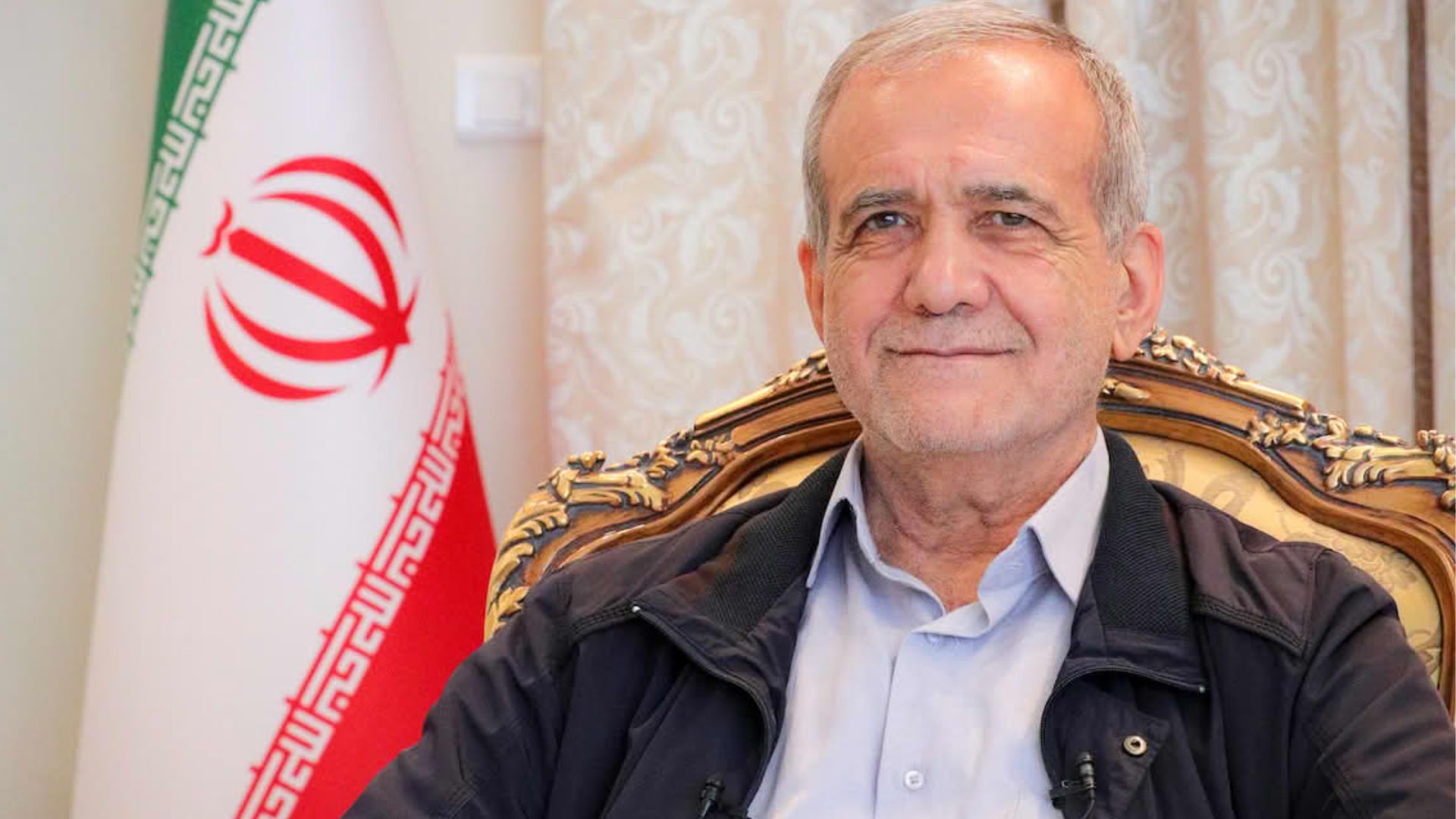

As representatives from the United States, Iran and Qatar met in Switzerland to discuss the recently signed Islamabad Memorandum of Understanding (MoU), Iranian President Masoud Pezeshkian said Tehran expects to regain access to $6 billion in frozen assets currently held in Qatar. The high-level talks are taking place at the Swiss mountain resort of Burgenstock and are focused on implementing the preliminary agreement aimed at reducing tensions in the Middle East and creating a path toward a long-term peace settlement.
Iran Expresses Confidence in the Agreement
The diplomatic effort follows the Islamabad MoU, which was finalized on June 17 by US President Donald Trump and Iranian President Masoud Pezeshkian. Pakistan is serving as a guarantor of the agreement, while Qatar is participating as a mediator.
Pezeshkian expressed strong confidence in the framework and suggested that the terms of the agreement largely benefit Iran. According to Iran's Tasnim news agency, he said: "All provisions of the memorandum of understanding are in our favour, and the achievements of these talks and negotiations will become evident."
The Iranian president also claimed that recent US positions differed from earlier rhetoric and said President Trump had recognized rights that Washington had previously opposed.
Iran Expects Return of Frozen Assets
One of the most significant elements of the ongoing discussions involves approximately $6 billion in Iranian funds frozen in Qatar. Pezeshkian stated: "Our $6bn in Qatar will be returned." The money originally came from Iranian oil exports and was previously held in South Korean banks. The funds were transferred to restricted accounts in Qatar in 2023 as part of a prisoner exchange agreement between Iran and the United States. However, access to the money was later suspended following the October 7 Hamas attacks and the escalation of regional conflict.
How Iran May Use the Funds
Reports indicate that even if the assets are released, Iran may face restrictions on how the money can be spent. According to details of the proposed framework, the funds would reportedly be limited to humanitarian purchases and other non-sanctioned goods. Much of those purchases could be sourced from the United States. The arrangement is designed to ensure that the released funds are directed toward civilian and humanitarian needs rather than military or sanctioned activities.
Release Could Happen in Stages
According to reports citing sources familiar with the negotiations, the proposed mechanism would not release the full amount immediately. Instead, the $6 billion could be unlocked in phases during a 60-day ceasefire period linked to ongoing negotiations between Washington and Tehran. Under the reported framework, each stage of the release would depend on continued diplomatic progress, including the reopening of the Strait of Hormuz and advancements toward a broader peace agreement. US officials are also said to be monitoring Iran's conduct during the talks before approving additional releases of funds.
Washington Seeking Cooperation on Nuclear Issues
Reports suggest that the United States wants Iran to demonstrate what American officials describe as "appropriate behaviour" during negotiations. That reportedly includes cooperation regarding Iran's stockpile of enriched uranium and broader nuclear-related concerns. The phased release of assets is therefore expected to remain tied to diplomatic and security benchmarks established during the talks.
Iran Seeks Compensation for Conflict Damage
Iranian Foreign Ministry spokesperson Esmaeil Baqaei said discussions extend beyond the release of frozen funds. He stated that Iran is also seeking compensation for damage caused by recent hostilities. During a weekly press briefing, Baqaei said: "The release of the frozen Iranian assets, as well as reparations for damages, are two essential points. The American side has committed to taking measures in both areas." His remarks suggest that financial issues remain a central component of the broader negotiations.
Pezeshkian Addresses Nuclear Program
Alongside the financial discussions, Pezeshkian also addressed concerns surrounding Iran's nuclear program, which remains a major issue in negotiations with Washington. He argued that the United States' primary concern is preventing Iran from developing a nuclear weapon.
Pezeshkian said: "America's only point is that we not have an atomic bomb. This is something the martyred leader also repeatedly said, 'we do not want an atomic bomb.'" He was referring to former Supreme Leader Ayatollah Ali Khamenei and Iran's longstanding position that it does not seek nuclear weapons. The Iranian president added that Tehran had formally accepted certain commitments requested by Washington, stating: "America said 'write this down and sign' - and we signed."
Switzerland Talks Seen as Key Step
The Burgenstock meeting is being viewed as an important stage in efforts to reduce tensions between Iran and the United States after years of confrontation. While many details of the proposed framework remain under discussion, the possible release of $6 billion in frozen Iranian funds has emerged as one of the most significant outcomes being considered.
Negotiators from the United States, Iran and Qatar are expected to continue discussions as they work toward a broader agreement that could reshape relations and contribute to greater stability across the region.