
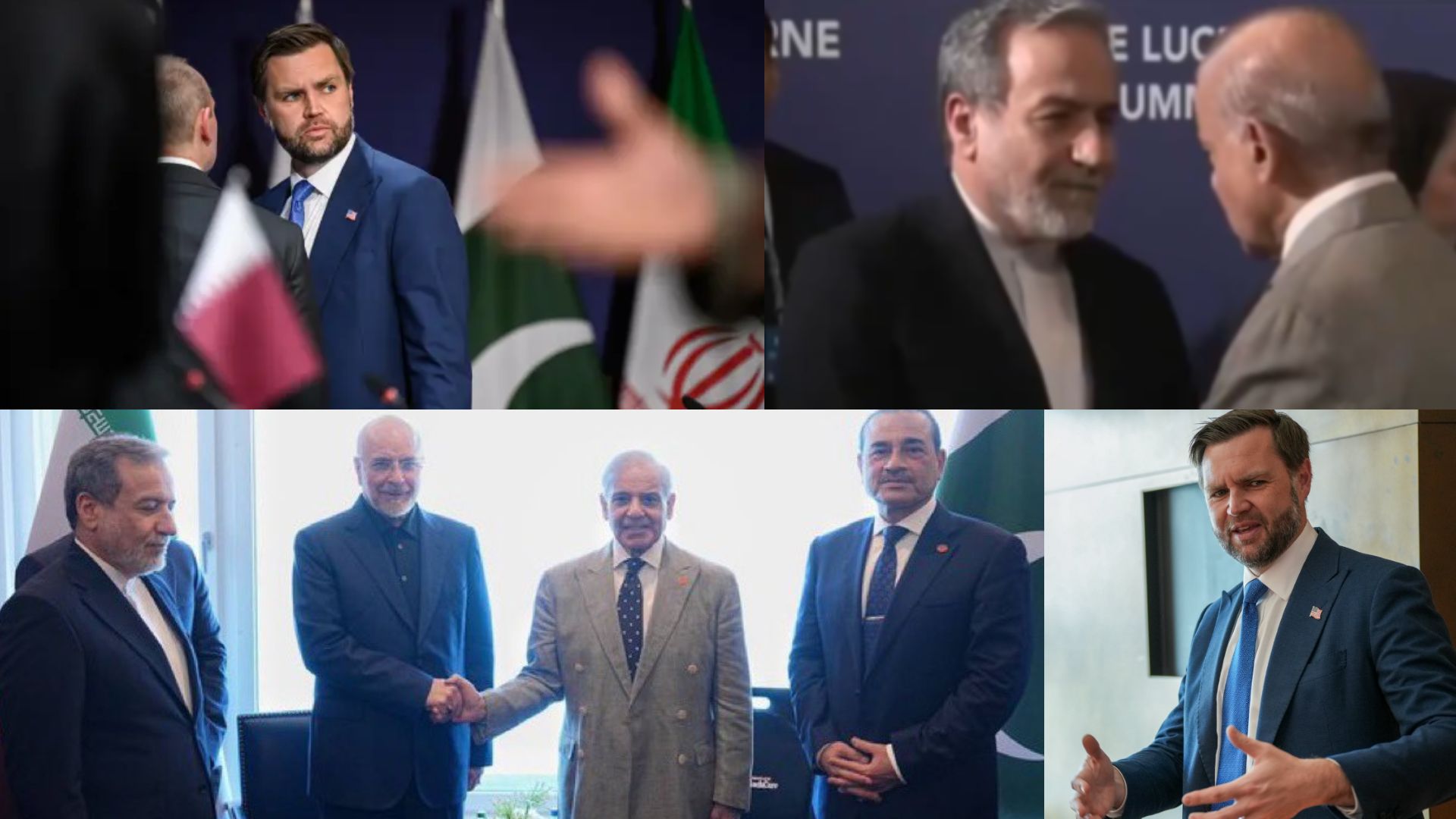

The United States and Iran opened their first round of direct negotiations in Switzerland on Sunday, just days after signing a preliminary agreement aimed at ending hostilities and building a framework for long-term peace in the Middle East. However, the diplomatic effort began against the backdrop of renewed tensions, as President Donald Trump and Iran's lead negotiator Mohammad Bagher Ghalibaf exchanged sharp warnings.
The talks are taking place in Lucerne following last week's agreement, which committed both sides to work toward a final peace deal within 60 days. The agreement also called for an end to fighting across the region, including in Lebanon, and the reopening of the strategically important Strait of Hormuz.
Trump Warns Iran Over Hezbollah Activities
As negotiations got underway, Trump issued a strong warning to Tehran regarding the activities of the Lebanese armed group Hezbollah. In a social media post, Trump demanded that Iran immediately curb Hezbollah's actions in southern Lebanon, where clashes with Israeli forces have intensified in recent days.
He wrote that Iran "must immediately stop their highly paid PROXIES in Lebanon from causing trouble" and warned that the United States would "hit Iran very hard again" if Tehran failed to act. The comments highlighted the fragile nature of the newly launched diplomatic process and underscored Washington's concerns over Iran's regional influence.
Iran Rejects US Threats
Ghalibaf quickly pushed back against Trump's remarks and dismissed the American warning. Responding to the threat, he said: "Don't they think that if their threats had any effect, they wouldn't be in this desperate situation today?... No matter how much they talk, it is we who take action."
He also stressed that Iran's military forces remain prepared to respond to any confrontation if necessary. The exchange reflected the deep mistrust that still exists between the two countries despite the recent agreement.
Lebanon Remains a Major Challenge
Although the preliminary peace framework called for an end to fighting on all fronts, violence has continued in southern Lebanon. Recent days have seen a rise in clashes between Hezbollah fighters and Israeli troops. Israeli air strikes have also intensified, with Lebanese health officials reporting dozens of deaths, including women and children.
The worsening situation prompted the United States to announce a new ceasefire arrangement between Israel and Hezbollah on Friday. Despite those efforts, tensions remain high. While reports on Sunday suggested that the level of fighting had decreased, both sides maintained firm positions.
Israeli Prime Minister Benjamin Netanyahu insisted that Israeli forces would remain in southern Lebanon for as long as necessary to protect communities in northern Israel.
Meanwhile, Hezbollah leader Naim Qassem rejected any continued Israeli military presence in the area and stated that the group would defend itself if required.
Strait of Hormuz Dispute Adds Pressure
Another key issue involves the Strait of Hormuz, one of the world's most important energy shipping routes. Under the initial agreement, the waterway was expected to remain open. However, Iran announced on Saturday that it had closed the strait following renewed tensions.
Despite the announcement, shipping tracking data indicated that commercial vessels continued to move through the passage. The situation has added another layer of uncertainty to the ongoing negotiations.
US Signals Desire for Better Relations
Before the talks began at the Swiss resort of Bürgenstock, US Vice-President JD Vance outlined Washington's goals for the discussions. Vance said President Trump wanted negotiators to "turn over a new leaf" and seek a different relationship with Tehran.
He added that if Iran abandoned what Washington views as regional destabilizing activities and gave up "nuclear weapons ambitions for the longer term", the United States would be willing to significantly improve ties.
According to Vance, the US "is willing to fundamentally transform our relationship with that country" if meaningful progress can be achieved. Iran, however, continues to maintain that its nuclear programme is entirely peaceful.
High-Level Delegations Attend Swiss Meeting
The negotiations brought together senior officials from several countries involved in mediation efforts. The American delegation includes Vice-President JD Vance, special envoy Steve Witkoff and Trump's son-in-law Jared Kushner.
Iran's team is led by Mohammad Bagher Ghalibaf and Foreign Minister Abbas Araghchi. The talks have also drawn participation from regional mediators. Pakistan's prime minister and army chief attended the meeting after Islamabad played a significant role in facilitating previous negotiations between Washington and Tehran. Qatar has also remained heavily involved in mediation efforts throughout the conflict.
Qatar Welcomes Continued Dialogue
Late on Sunday, Qatari Prime Minister Sheikh Mohammed bin Abdul Rahman Al Thani expressed support for the continuation of negotiations. His remarks reflected hopes among regional mediators that direct dialogue between the United States and Iran can build momentum toward a broader agreement and reduce tensions across the Middle East.
Peace Process Faces Early Test
While the launch of direct talks marks a significant diplomatic step, the sharp exchange between Trump and Ghalibaf demonstrates the challenges negotiators still face. Continued fighting in Lebanon, disagreements over regional security, concerns about Iran's nuclear programme and disputes involving the Strait of Hormuz remain major obstacles. Nevertheless, both sides have committed to pursuing a final agreement within 60 days, making the Swiss negotiations a crucial test for the future of the emerging peace process.